Top tennis stars threaten French Open boycott over prize money distribution
World number one and number four argue current payout model leaves lower-ranked players struggling, citing WNBA unionisation as a potential path forward
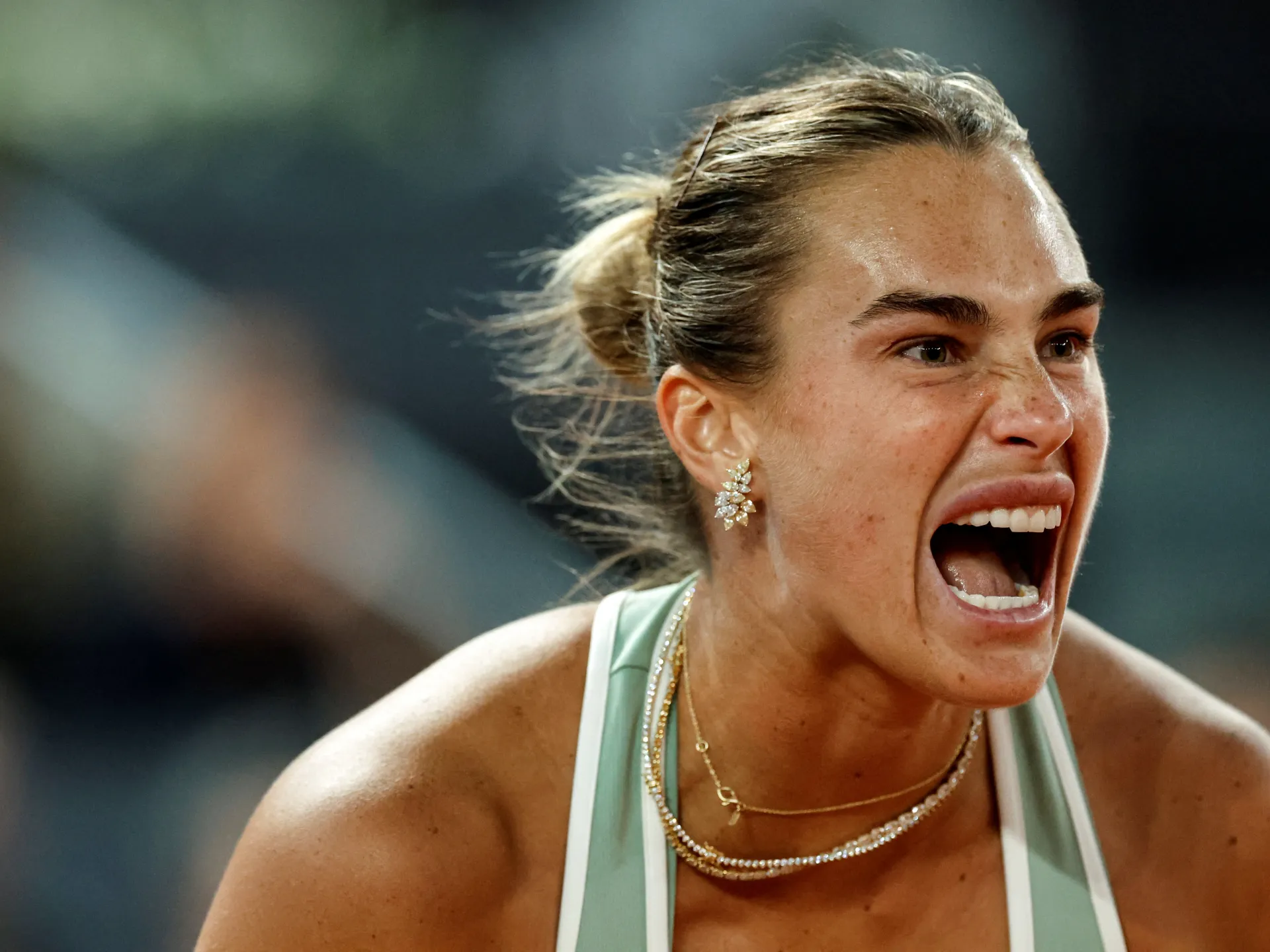
World number one Aryna Sabalenka and world number four Coco Gauff have issued a stark warning to the organisers of the French Open, threatening to boycott the tournament unless the percentage of prize money distributed to players is significantly increased. The dispute centres on the distribution model rather than the absolute value of the pot, with the duo arguing that top players currently receive less than 15 per cent of total revenue. They are demanding a 22 per cent share to align with the combined standards of ATP and WTA 1000 events.
Despite a reported 10 per cent increase in the total prize pot to 61.7 million euros, the French Open organisers are still trailing their major rivals in total payout. Reports indicate that the US Open offered $90 million last year, while Wimbledon paid out $72.51 million and the Australian Open reached a record $80.06 million. Critics argue that the current distribution model fails to reflect the massive revenue generated by the sport, leaving a significant disparity between the earnings of top stars and those ranked lower down the list.
Gauff highlighted the severity of the inequality, suggesting that players ranked between 50 and 200 live paycheck to paycheck despite the sport's financial success. She stated that the issue extends beyond individual top players to the future of the sport as a whole. To address this structural imbalance, Gauff suggested that players must form a union to negotiate collectively, citing the recent tentative agreement reached by the WNBA after nearly 17 months of negotiations as a successful precedent for collective bargaining in sports.
Sabalenka reinforced the seriousness of the threat, telling reporters that a boycott would be the only way to fight for their rights if negotiations fail. However, she simultaneously expressed hope that ongoing talks would reach a satisfactory conclusion before the event. The players argue that without their participation, the tournament would not exist, yet they feel the current financial arrangement is fundamentally unfair given the entertainment value they provide to the global audience.
The proposed move to unionise marks a potential shift in how tennis governance and revenue sharing are approached, moving away from individual negotiations toward collective bargaining. While the French Open has already increased the total prize money, the players insist that the percentage share is the critical metric for fairness. The outcome of these negotiations will likely determine whether the tournament proceeds as planned or faces a significant disruption from its most prominent athletes.