Times Publisher Outlines $20 Million Legal Battle Against AI Firms Amid Press Freedom Threats
In a late July 2026 interview with WIRED, the New York Times publisher confirmed the newspaper has spent over $20 million defending its intellectual property rights against OpenAI and Microsoft, while condemning the Trump administration’s subpoenas as an unprecedented attack on journalism.
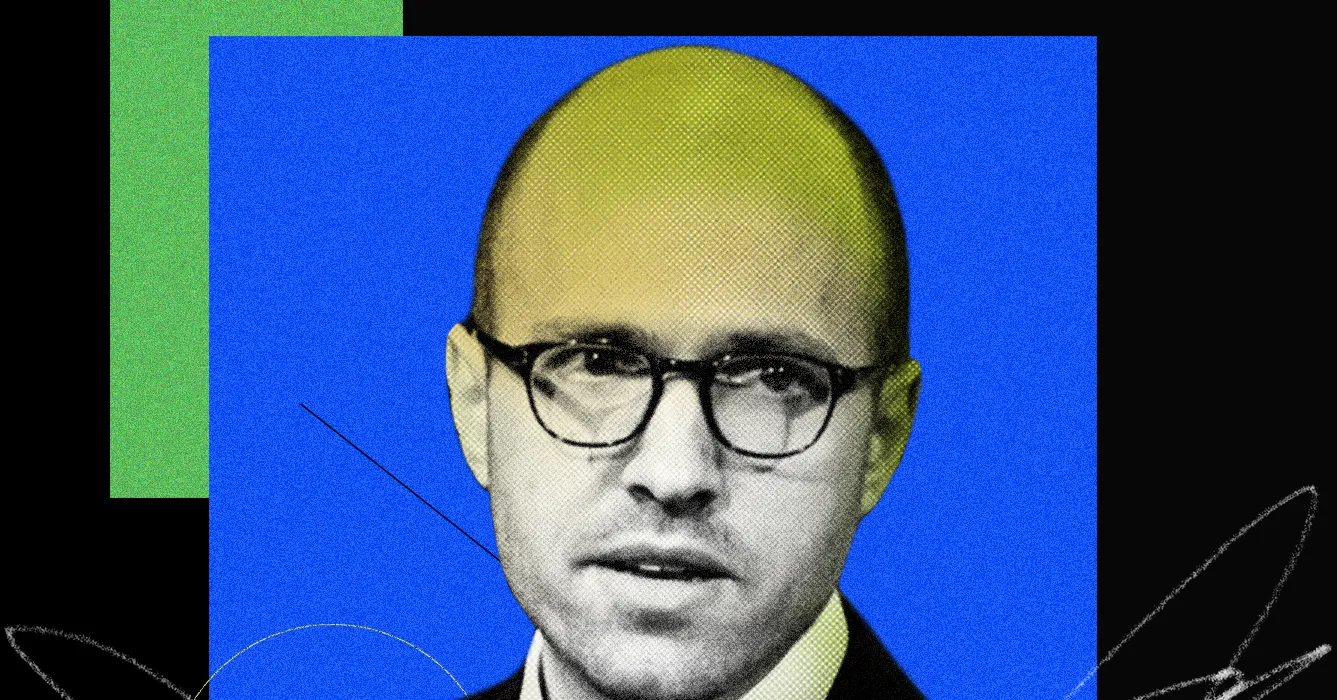
New York Times publisher A.G. Sulzberger has confirmed the publication has expended more than $20 million on its ongoing copyright infringement lawsuit against OpenAI and Microsoft, a legal battle that has now extended for two and a half years. Speaking to WIRED in late July 2026, Sulzberger emphasised that the expenditure is a necessary cost to defend journalism, asserting that the newspaper will not cease its efforts to enforce intellectual property rights against technology firms that allegedly used its content to train artificial intelligence models without permission or compensation.
The publisher characterised the current legal environment as an "original sin" for the AI industry, describing the unauthorised extraction of creative works as an immense wealth transfer from content creators to the largest technology companies in history. Sulzberger argued that the high cost of litigation creates an insurmountable barrier for smaller publishers, allowing major tech firms to operate with impunity. He stated that the Times is committed to establishing a framework where the use of journalistic content requires both permission and fair compensation, framing the lawsuit not as an anti-technology stance but as a defence against theft.
Concurrently, Sulzberger condemned the Trump administration for issuing subpoenas to Times journalists and third-party phone service providers regarding their reporting on a Qatari-donated jet used as Air Force One. He described the move as a gross overreach and an unprecedented attack on press freedom, comparing the intensity of the government’s actions to efforts seen since the Woodrow Wilson administration. Sulzberger noted that the Justice Department sought records of journalists’ family members, a tactic he viewed as an attempt to intimidate reporters rather than a standard legal procedure.
Despite these external pressures, Sulzberger highlighted the Times’ commercial resilience, noting that the publication has surpassed 13 million subscribers with a target of 15 million. He pointed out that the newsroom has grown to approximately 2,400 journalists, a figure he described as a drop in the bucket compared to the 80 percent loss of local working journalists in the United States over the past two decades. He urged the industry to prioritise building a robust market for journalism rather than focusing solely on individual corporate growth, arguing that a strong local press is essential for civic health.
Sulzberger also addressed the integration of AI within newsrooms, advocating for a cautious approach where technology serves as a tool for pattern recognition rather than autonomous content generation. He cited an example of AI-supported reporting where a journalist used the technology to filter millions of images of bomb craters in the Israel-Gaza conflict, reducing them to thousands for human verification. He maintained that humans must remain responsible for all published work, warning against the risks of news organisations handing over full responsibility for writing to AI systems.
The publisher called for media competitors to collaborate on defending press freedom and intellectual property rights while continuing to compete fiercely on news coverage. Drawing parallels to the Times’ historical alliance with the Washington Post during the Pentagon Papers controversy, Sulzberger argued that the industry must present a united front against government retaliation and corporate abuse. He expressed optimism for the profession’s survival, citing the enduring value of independent journalism in holding power to account and providing reliable information to the public.