Third Attempt on Trump's Life Triggers White House Security Overhaul and Ballroom Proposal
The latest attack marks the third direct attempt on President Donald Trump's life, prompting a review of screening procedures and a legal battle over constructing a new ballroom in the White House east wing.
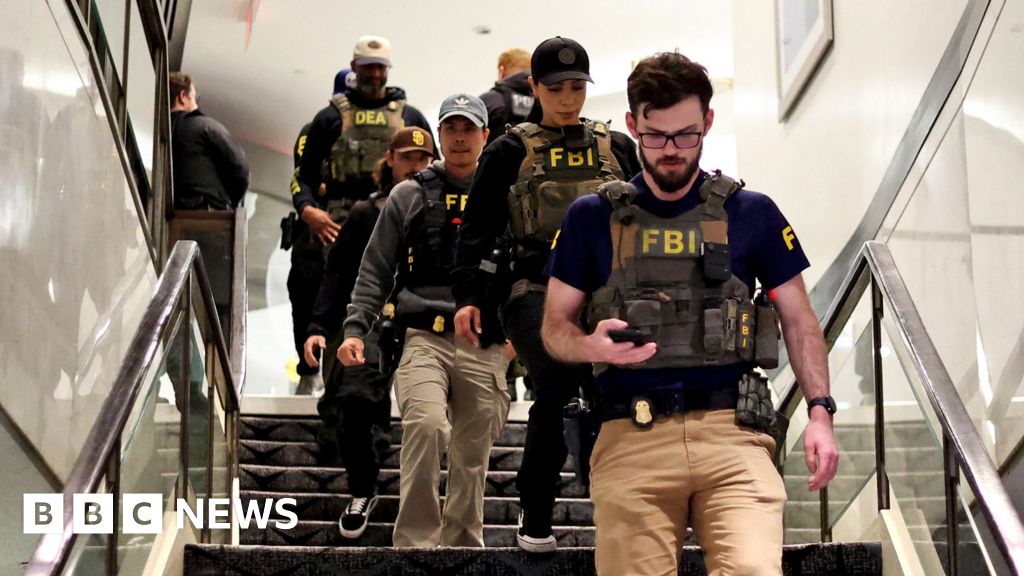
A shooting at the White House Correspondents' Association dinner has intensified the cycle of political violence facing the United States, marking the third direct attempt on the life of President Donald Trump. The incident, which resulted in the death of conservative activist Charlie Kirk and life-threatening injuries to Congressman Steve Scalise, occurred on Saturday night and followed previous attacks at a rally in Butler, Pennsylvania, and at Trump's Palm Beach golf resort.
In response to the breach, President Trump has advocated for the construction of a massive ballroom in the White House's east wing, arguing that such a structure would provide a safer environment for future events. Assistant Attorney General Brett Shumate issued a letter to a historic preservation group challenging the legality of the project, asserting that the lawsuit places the president's life and that of his staff at grave risk. Several Republicans in Congress have promised to introduce legislation explicitly authorising the construction of the ballroom to ensure security for major gatherings.
Despite these structural proposals, significant concerns remain regarding current security protocols and weapon access. White House Chief of Staff Susie Wiles is convening with Secret Service officials to review practices for major events, including upcoming US 250th centennial celebrations. Officials are scrutinising how an armed individual managed to enter a building hosting the president and whether the security perimeter was sufficient, while also considering whether guests in other parts of the hotel should have been screened.
The administration's response has been overshadowed by partisan divisions, with the White House Press Secretary attributing the hostile rhetoric fueling the violence to the Democratic Party. This rhetoric has been amplified by conspiracy theories suggesting the attack was a coordinated plot, a claim fueled by a press secretary's prior metaphorical comment about shots being fired. Meanwhile, the shooting has forced a shift in campaign strategy, with the president preferring secure military bases or smaller indoor venues over outdoor rallies to mitigate risk ahead of the midterms.
Amidst the domestic security crisis, the state visit of King Charles III to the United States is proceeding as planned. Buckingham Palace confirmed that the four-day itinerary, which includes a joint address to Congress and a private meeting with the President, will continue despite the security incident. The visit aims to strengthen the strained US-British relationship, occurring at a time when the nation is grappling with the escalation of political violence and the urgent need to balance safety with the demands of the campaign trail.