The World Cup of Kits: 10 Designs Defining 2026 Fashion
The Guardian Fashion highlights ten standout shirts ahead of the World Cup, revealing how heritage, folklore, and minimalism are shaping the season’s most anticipated sportswear.
As the 2026 World Cup approaches, the conversation around national team apparel has shifted from mere utility to high fashion. On 27 May 2026, The Guardian Fashion outlet released a gallery identifying ten football kits as the season’s most significant style highlights. The selection spans home and away designs from Japan, Ghana, Mexico, Saudi Arabia, France, the USA, Curaçao, Belgium, Norway, and Scotland, showcasing a diverse range of design philosophies from traditional architecture to surrealist art.
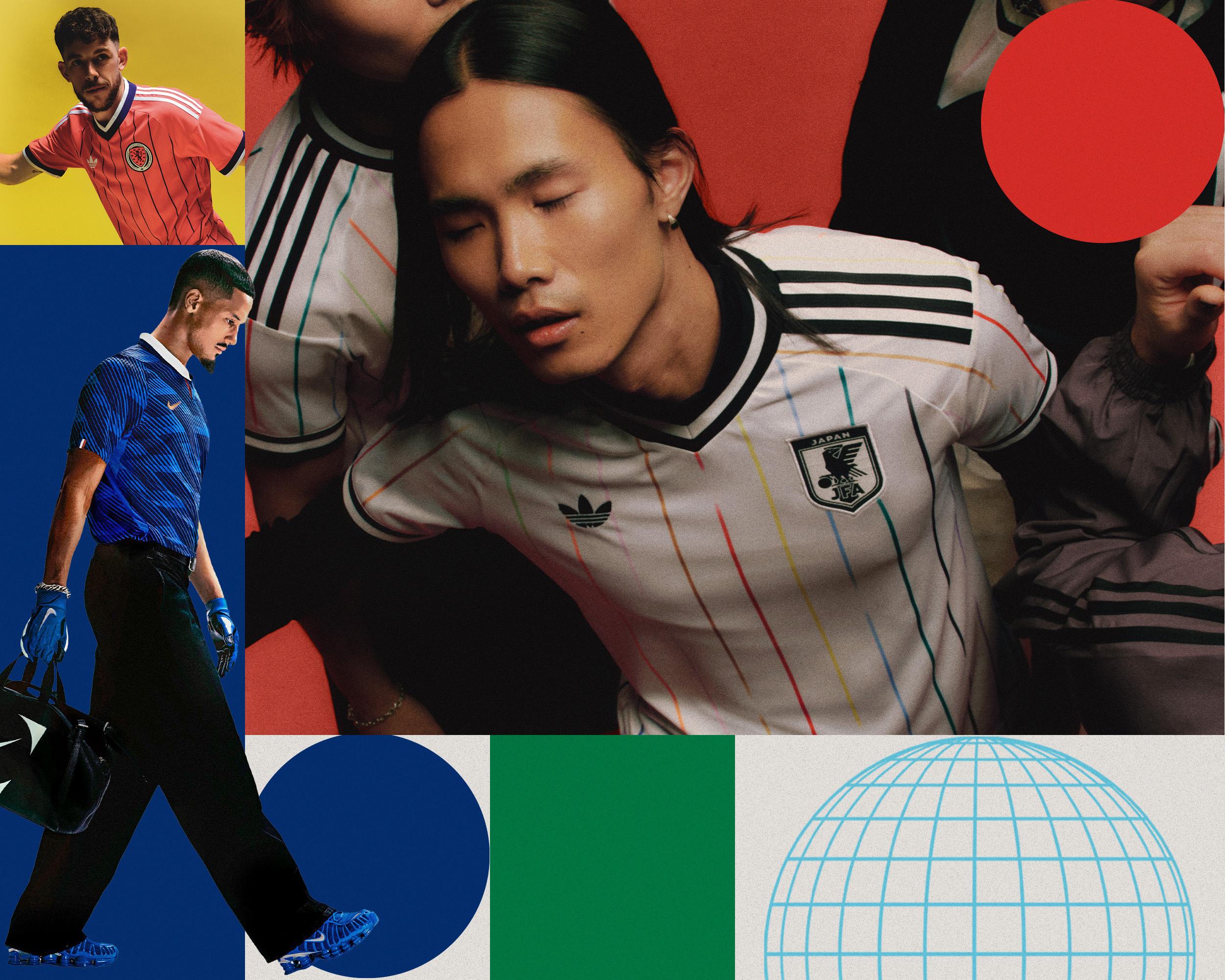
Japan’s away kit, modelled by Takumi Minamino, has emerged as a clear standout, winning a fan vote in April and earning the description of “footballing porn” from Four Four Two. The design features 12 narrow multicoloured stripes, each representing a player on the pitch, alongside an additional stripe for the fans. Manufactured by Adidas, the shirt’s inclusive messaging and aesthetic have resonated strongly with supporters.
Ghana’s home kit, designed by Puma, offers a more intricate narrative through its use of folklore. The shirt incorporates a spider’s web design referencing Ananse, a central character in the folklore stories of the Akan people. A black star, mirroring the nation’s flag, is placed prominently at the centre of the web, blending cultural heritage with modern sportswear aesthetics.
Mexico’s home kit, an Adidas design, draws inspiration from the Aztec Piedra del Sol calendar, echoing a much-loved design from the 1998 tournament. The shirt utilises the colours of the country’s flag to reference ancient indigenous culture. Meanwhile, Saudi Arabia’s home kit, also by Adidas, features traditional architectural patterns rendered in green with purple accents, complete with the emirate’s emblem on the back.
France’s home kit, designed by Nike, upgrades the trademark bleu with a zigzag pattern and a white collar, a nod to the team’s 1998 World Cup victory. The USA’s home kit, developed with input from player Tyler Adams, marks a significant shift from the 2022 design, featuring wavy stripes of the national flag. Both kits reflect a broader trend of brands collaborating with athletes to refine national identities.
Other notable entries include Curaçao’s minimalist away kit, which punches above its weight with a clean design and the country’s colours, and Belgium’s away kit, which references surrealist artist René Magritte with the phrase “Ceci n’est pas un maillot” inside the shirt. Norway’s home kit returns to the World Cup after 28 years with a bold, flag-influenced block colour design, while Scotland’s away kit pays homage to its mid-90s coral design with a cleaner, collarless look.
The 2026 tournament’s kits demonstrate how sportswear is increasingly acting as a canvas for cultural expression. From the intricate folklore of Ghana to the surrealist humour of Belgium, these designs suggest that the World Cup will be as much about visual identity as it is about athletic performance.