The anatomy of a fall: why ‘Zara death pants’ are tripping up shoppers
From fractured wrists to torn ligaments, the viral ‘Zara death pants’ highlight a systemic issue in retail sizing that leaves the average woman vulnerable.
A pair of wide-legged trousers from Zara has become the latest casualty of the tension between aesthetic trends and physical safety, earning the ominous moniker “Zara death pants” on social media. The £25.99 garment, described by the retailer as having a “loose fit” and being “longer than usual”, has been the subject of viral videos showing wearers tripping, face-planting on pavements, and sustaining injuries ranging from bruised limbs to fractured knees. Despite the alarming footage circulating online, the trousers remain a bestseller, underscoring a disconnect between consumer desire and practical wearability.
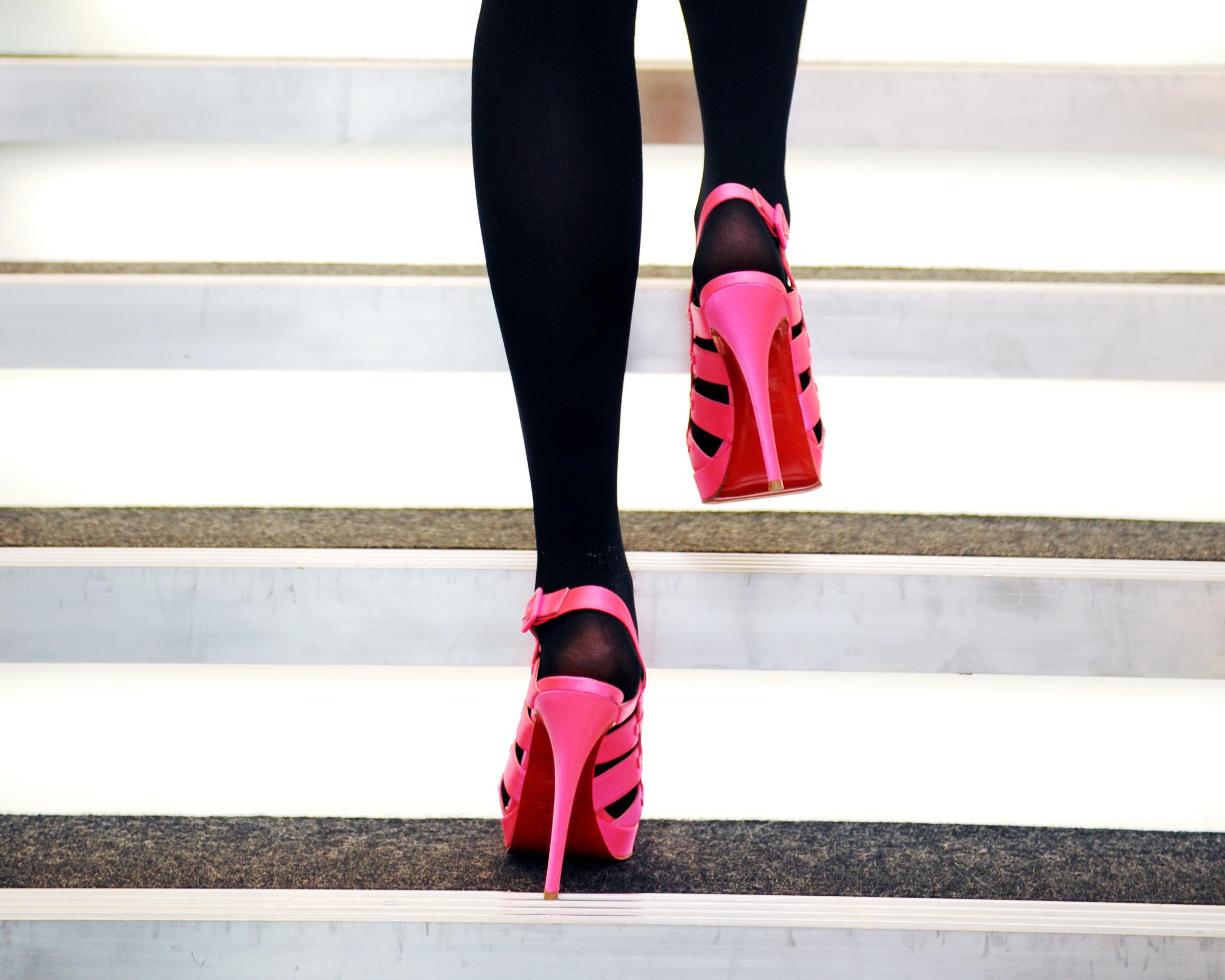
The Chartered Society of Physiotherapy has confirmed that fashion items impairing movement and balance are a frequent cause of injury, with high heels and long trousers identified as common culprits. Lucy McDonald, a physiotherapist at Restart, noted that the most common fall injury is a fractured wrist, occurring when individuals instinctively extend their hands to break their impact. She warned that recovery times for such injuries can range from six weeks to nine months or more, depending on the severity of the fall and the patient’s bone health.
Tailor Ruby Slevin, founder of Banshee of Savile Row, attributes the hazard to a fundamental discrepancy in design proportions. She explained that the national average height for women in the UK is 162.5cm, whereas typical fit models used by high-street brands hover around 178cm. To reduce costs, some retailers utilise stationary mannequins rather than live fit models, further distancing the final product from the reality of the average consumer’s body. Slevin argued that garment length must be proportional to the wearer, noting that a person of 5ft 5in cannot safely wear the same width of trousers as someone who is 5ft 10ins.
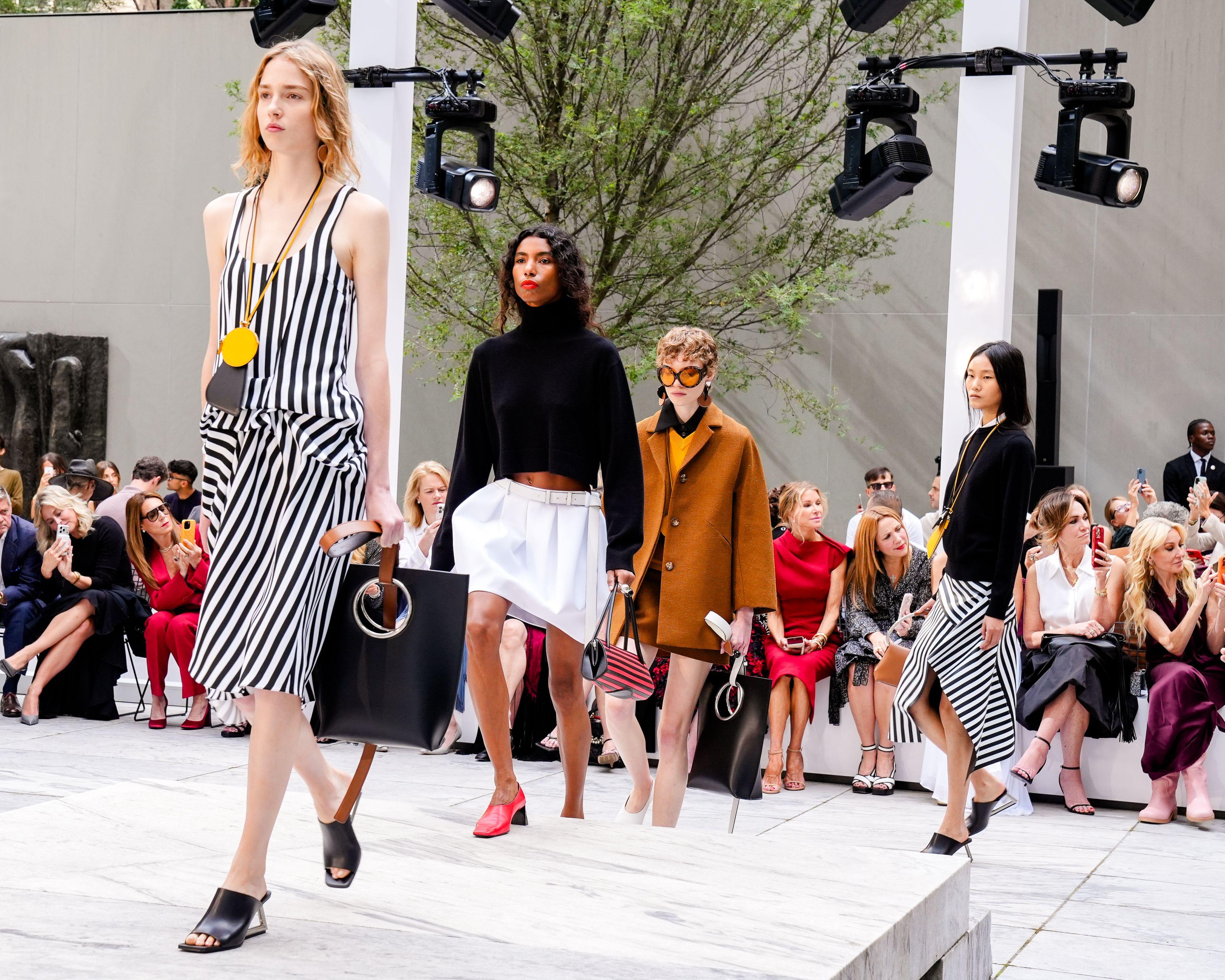
Historical precedent suggests this is not a new phenomenon. Fashion historian Virginia Hill pointed to the hobble skirt, introduced by Paul Poiret in 1910, which restricted movement so severely that locomotion was described as “seriously impeded”. The risks of impractical fashion are well documented, from the tragic entanglement of Isadora Duncan’s scarf in a car wheel in 1927 to recent catwalk accidents involving models such as Abbey Lee Kershaw and Lindsey Wixson. These examples illustrate a long-standing industry tendency to prioritise visual impact over wearer safety.
Despite the warnings, the appetite for the style remains robust. Searches for wide-legged trousers at John Lewis are up 61% year-on-year, with linen versions surging by 225%, while the trend has been championed by designers including Victoria Beckham and Stella McCartney. Slevin advised shoppers to mitigate the risk by taking such trousers to a local tailor or drycleaner to adjust the width and length to their specific measurements. “Buyer beware,” she said, echoing an old legal principle that is once again resonating with women navigating the hazards of modern fashion.