Multi-way fashion: Sustainability or just another excuse to buy more?
The Guardian investigates whether the rise of adaptable garments from sustainable labels and fast fashion giants like ASOS represents genuine innovation or a marketing gimmick.
A growing debate has emerged regarding the environmental impact of multi-way clothing, garments designed to be worn in multiple configurations. While sustainable brands market these items as a means to reduce consumption, critics and experts argue that high price points and the involvement of fast fashion giants like ASOS undermine eco-friendly intentions, viewing the trend as a marketing gimmick rather than a genuine reduction in waste.
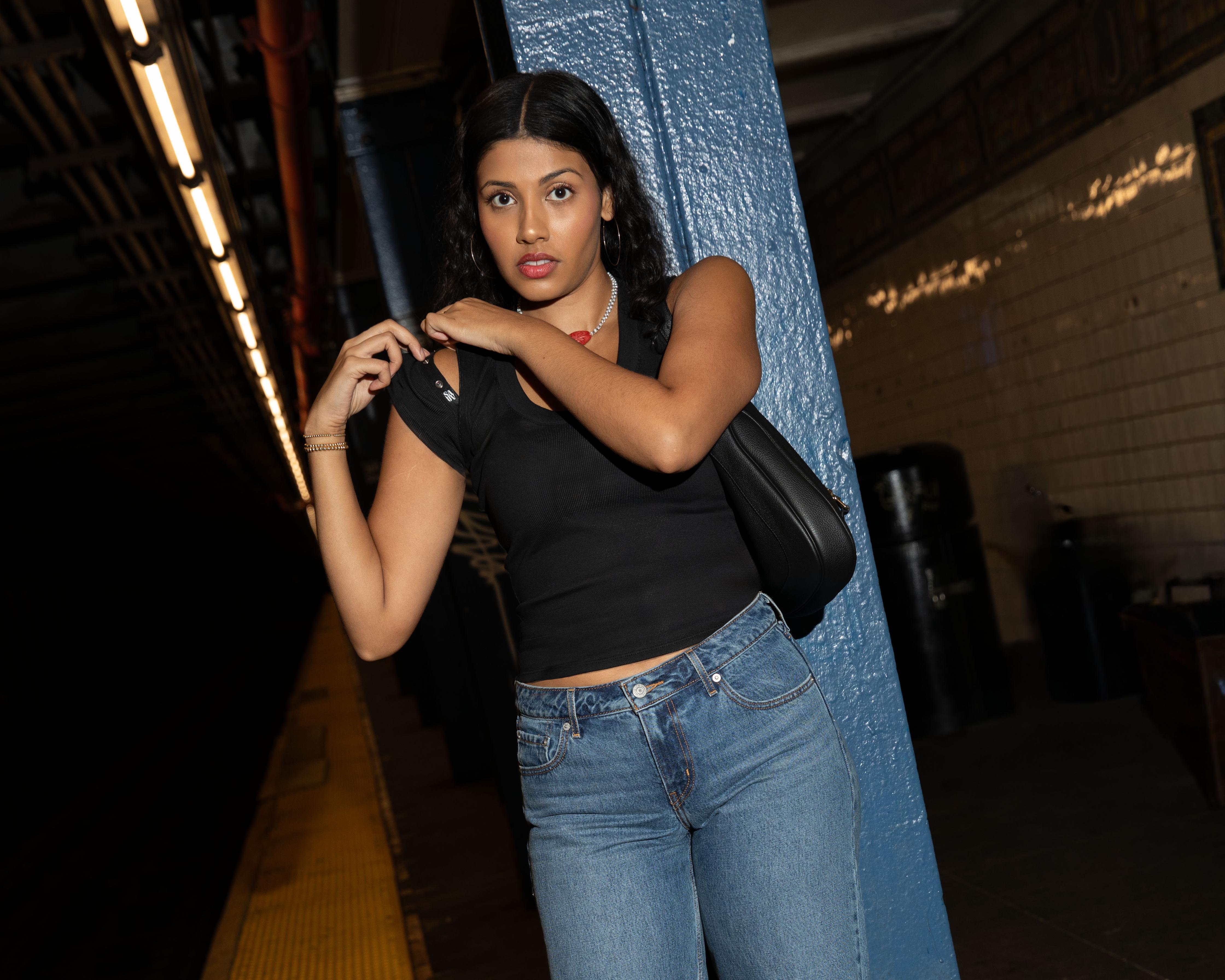
The concept has evolved significantly since the early 2000s, when zip-off trousers became popular, and the 2010s, which saw the rise of "infinity" bridesmaid dresses. Today, self-proclaimed slow fashion labels such as BUCI NYC, Isabella Vrana, Damson Madder, and American brand SAUV are creating clothes built to be altered by the wearer. These include reversible cardigans, blouses that can be worn back-to-front, and dresses that transform using loops and ribbon ties.
Proponents argue that the aesthetic of "doing more with less" encourages creativity and longevity. Emily Chan, senior sustainability and features editor at British Vogue, states that the idea should be celebrated if it encourages people to style garments differently and keep them for longer. However, the reality of consumer behaviour often contradicts these claims. Jasmain Farara, a social media manager who purchased SAUV tops, admitted in a TikTok clip that despite marketing claims of being "the last top you’ll ever buy," she has since purchased additional items.
The cost structure of these garments further complicates the sustainability narrative. SAUV’s modular system requires shoppers to purchase a base vest for $135 (approximately £101), with additional sleeves sold separately. For instance, basic long sleeves cost $62, while flounce sleeves are priced at $60. This premium pricing persists despite the cost of living crisis, challenging the notion that multi-way clothing is an accessible solution for reducing waste.
The trend’s expansion into the mass market has intensified scrutiny. Fast fashion retailer ASOS is now selling a 95% viscose top with a modifiable neckline for £24. Orsola De Castro, co-founder of Fashion Revolution, describes this as a "mass-market cash grab" with "absolutely zero merit" sustainability-wise. She argues that such designs are gimmicks that do not necessarily dictate behaviour, noting that creative people have long worn cardigans backwards or altered skirts manually without pre-designed modular features.
Ultimately, the paradox of multi-way fashion lies in its ability to encourage buying more under the guise of buying less. As De Castro points out, pre-designed conditions can be restrictive rather than liberating. For many consumers, the practicality of adapting garments remains questionable, with some finding the mechanisms too fiddly to use regularly. The trend may simply offer a new excuse to consume, rather than a genuine path to sustainability.