The Verge review finds Chuwi UniBook underpowered and frustrating despite $449 price tag
A critical assessment of the Chuwi UniBook highlights significant performance bottlenecks, poor hardware quality, and support concerns, positioning the device as a risky purchase in an increasingly competitive sub-$500 market.
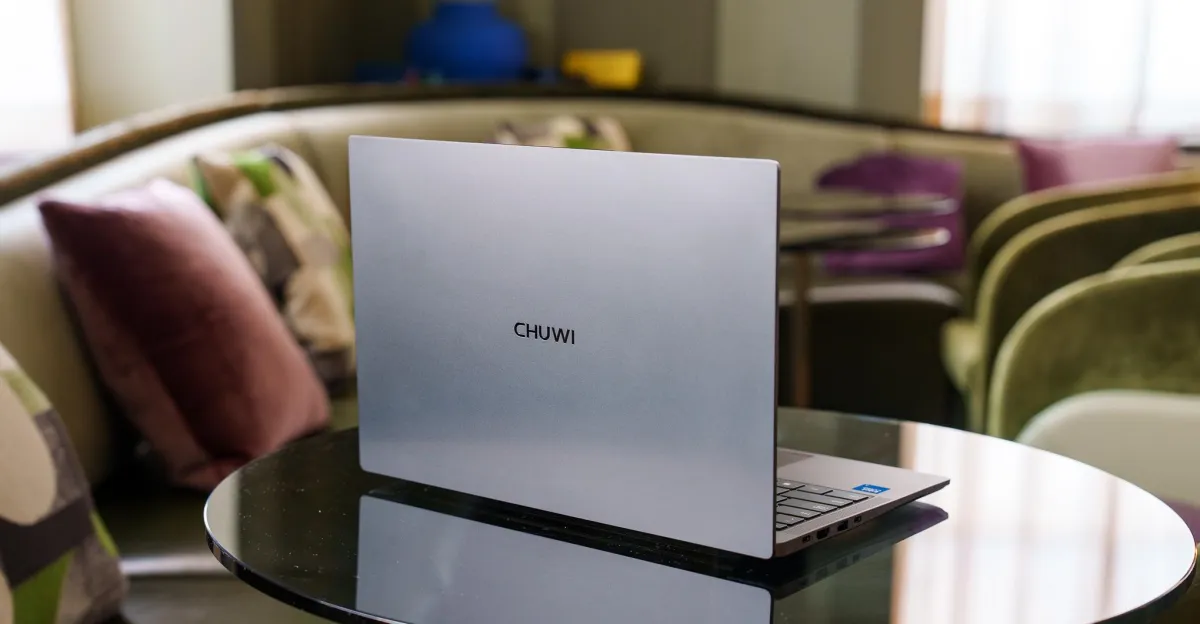
The Verge has published a comprehensive review of the Chuwi UniBook, a budget Windows laptop priced at $449, concluding that the device is significantly underpowered and frustrating to use. Positioned to undercut established competitors, the UniBook features an Intel Core 3 304 processor from the Wildcat Lake family, 8GB of soldered RAM, and a 256GB SSD housed in an aluminium chassis. Despite the low entry price, the review indicates that the hardware struggles to deliver a viable user experience, particularly when compared to rivals such as the MacBook Neo, HP OmniBook 3, and Acer Aspire 14 AI.
Performance benchmarks reveal that the UniBook’s five-core CPU and single GPU core are woefully inadequate for tasks beyond basic web browsing and messaging. In Adobe Premiere 4K export tests, the UniBook took over an hour to complete a task that the MacBook Neo finished in under 10 minutes. The 8GB of RAM presents a critical bottleneck on Windows 11, with the operating system consuming nearly 5GB of memory at idle. This leaves insufficient headroom for multitasking, leading to Chrome crashes when more than 20 tabs are open and severe sluggishness during file transfers.
Hardware criticisms extend beyond processing power to the laptop’s peripherals and display. The screen is described as dim at 300 nits and washed out, covering only 64 per cent of the sRGB colour space. The trackpad is notably stiff, requiring excessive pressure that causes chassis flex, while the speakers produce tinny audio and the 720p webcam suffers from a green colour cast and low resolution. These factors combine to create an unpleasant interaction loop, with the reviewer noting physical and mental fatigue from basic navigation tasks.
Despite these deficiencies, the UniBook offers some practical advantages, including up to 10 hours of battery life for light workloads, a backlit keyboard, and an extensive port selection that includes an ethernet jack. However, the review notes that the USB ports are limited to 5Gbps speeds and the HDMI output is restricted to 30Hz at 4K resolution. The reviewer suggests that spending additional money on peripherals to mitigate these shortcomings is less effective than investing in more capable competitors like the HP OmniBook 3 or Acer Aspire 14 AI, which offer superior performance and connectivity.
Concerns regarding Chuwi’s long-term viability and customer support further dampen enthusiasm for the device. The review highlights a lack of US customer service and repair centres, raising questions about after-sales support. Additionally, the report references an incident in early 2026 where Chuwi shipped devices with mislabelled processors, using BIOS manipulation to disguise older AMD chips as newer models. While Microsoft is reportedly working on optimising Windows 11 for 8GB RAM configurations, the UniBook currently fails to meet the standards set by the broader market, leaving it as a risky proposition for budget-conscious consumers.