The Verge author champions Apple AirTag for pet tracking amid broader gadget utility
A recent feature in The Verge argues that tracking pets is the most logical application for Apple’s AirTag, though the author admits the device has not yet been required to locate a lost animal.
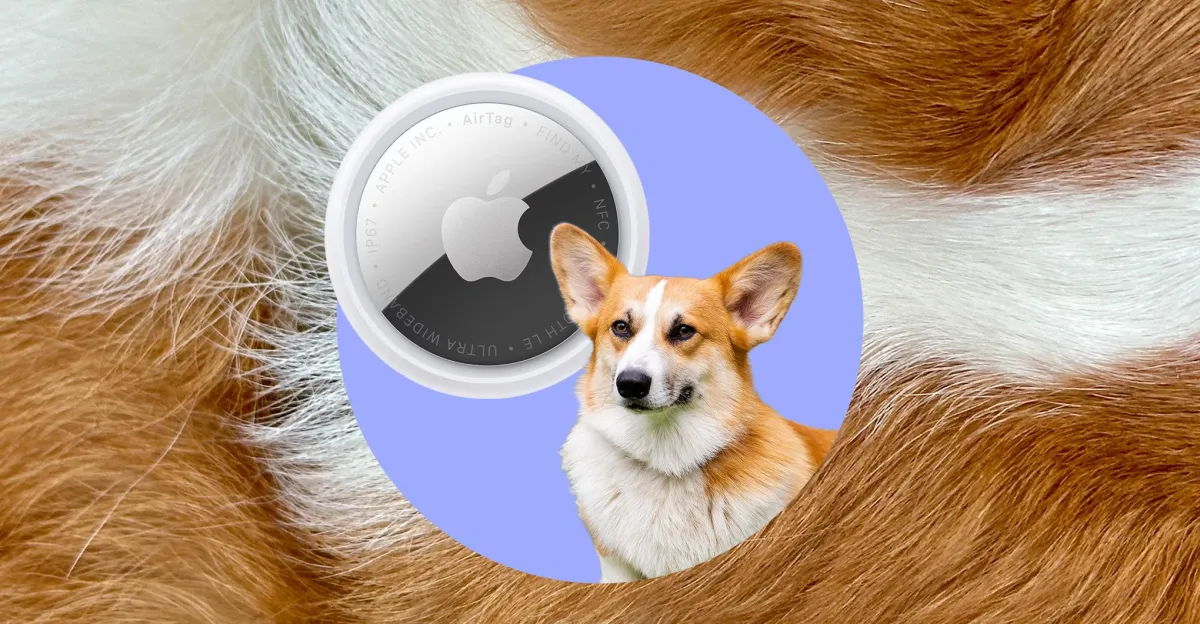
A recent article published by The Verge advocates for the use of Apple AirTags to track pets, specifically the author’s corgi, citing it as the most logical use case for the device. The piece argues that while the tracker is commonly associated with locating everyday items such as keys, luggage, and backpacks, its utility for preventing loss during off-leash activities offers a more compelling value proposition for owners.
The author attaches the AirTag to their corgi’s collar using a matching silicone holder. This setup is described as providing peace of mind and allowing owners to verify pet activity remotely. For instance, the author notes the ability to confirm a pet sitter has walked the dog within a specific timeframe without needing to send text messages, thereby reducing the need for constant communication while away.
While AirTags are typically used for inanimate objects, the report focuses on their potential role in preventing loss in new environments or during off-leash park visits. The author suggests that even loyal dogs can become distracted by unfamiliar stimuli and run off, potentially becoming lost. A personal anecdote is shared regarding a friend’s dog that was found unharmed after being lost for a few days, though the animal was not equipped with an AirTag at the time.
The author draws a subjective comparison between the device and insurance, noting that while they have never actually needed the AirTag to find their pet, the presence of the tracker provides reassurance. The piece acknowledges that the practical efficacy of the device in a real-world loss scenario is anecdotal rather than proven in this report, framing the utility as a matter of personal opinion and experience.
The article highlights the device’s role in managing routine verification, such as confirming a pet sitter’s visits. The author states that the device serves as a reassuring tool for monitoring routines, particularly for owners who engage in off-leash activities or travel to new locations with their animals. The piece concludes that the likelihood of needing the tracker when a pet is lost makes it a worthwhile precaution, similar to the logic behind purchasing insurance.