The rise of paid "clippers" in social media marketing
Campaigns for figures such as Dan Bongino and streamer Clavicular pay accounts to post unedited snippets without always disclosing payment, aiming to generate views at scale.
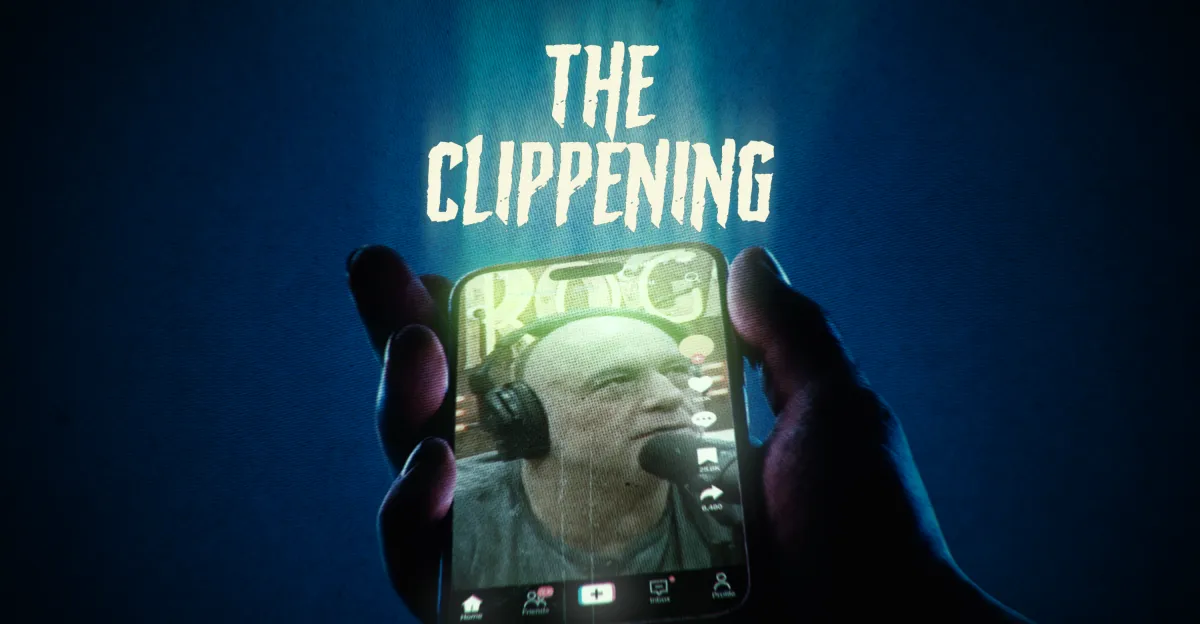
Organisations and influencers are increasingly employing anonymous "clippers"—paid microtask workers who fragment long-form content into short viral clips—to exploit social media algorithms. This strategy involves paying accounts to post unedited or minimally edited snippets, often without disclosing payment, to generate views at scale. While effective for reach, the practice raises concerns regarding deceptive marketing, the devaluation of full-length content, and the dominance of unoriginal material in digital feeds.
The "clipper" economy now connects brands with global "clip farms," where workers target English-speaking audiences to manufacture viral moments for figures such as Dan Bongino, RuPaul's Drag Race, and streamer Clavicular. A specific campaign for the return of Dan Bongino's podcast in February launched a 31-day initiative that paid clippers $150 for every 100,000 views across TikTok, Instagram, and YouTube, with a reported budget of $2,000. These campaigns often fail to include required disclaimers that the content is paid, despite Federal Election Commission rules.
Platform Clipping.net lists 62,000 active clippers who earn an average of $3,000 per month, with the scale of the operation evident in recent successes. One campaign for streamer Clavicular generated nearly 70,000 videos and over 2 billion views in two months. The workers, described by one tech founder as "hungry Slovakian teenagers," are based globally but target English-speaking audiences to ensure the content resonates with the intended demographic.
Regulatory gaps remain a significant issue as campaigns for politicians and brands often bypass disclosure requirements. For instance, instructions for a campaign involving Michael Carbonara, a candidate running for congress in Florida, explicitly dictated that clips must not contain certain political statements but did not mandate disclosure of the paid nature of the content. Meanwhile, Perplexity denied authorising clipping campaigns via Vyro, distancing itself from a service that used clips of Joe Rogan's show to promote its AI capabilities.
Platform responses are beginning to target this influx of unoriginal content. Meta has identified "unoriginal" clipping content, which includes adding borders, captions, and speed changes, as a target for crackdowns. Despite this, the strategy continues to be touted as the future of building platforms, with companies like Clipping.net and Vyro facilitating the connection between brands and clip farms.
However, the shift towards short-form video has altered media consumption, where clips often serve as the primary entry point, potentially diminishing the incentive to consume full-length podcasts or videos. The practice of clipping long-form content into short segments is not new, though it has recently gained mainstream attention and scale, fundamentally changing how audiences engage with media.