The Odyssey’s Imax 70mm Scarcity Highlights Cinematic Hardware Bottleneck
With demand outstripping supply, industry experts warn that the lack of new film projection equipment and the high cost of retrofits are creating a significant barrier for audiences seeking the full Imax experience.
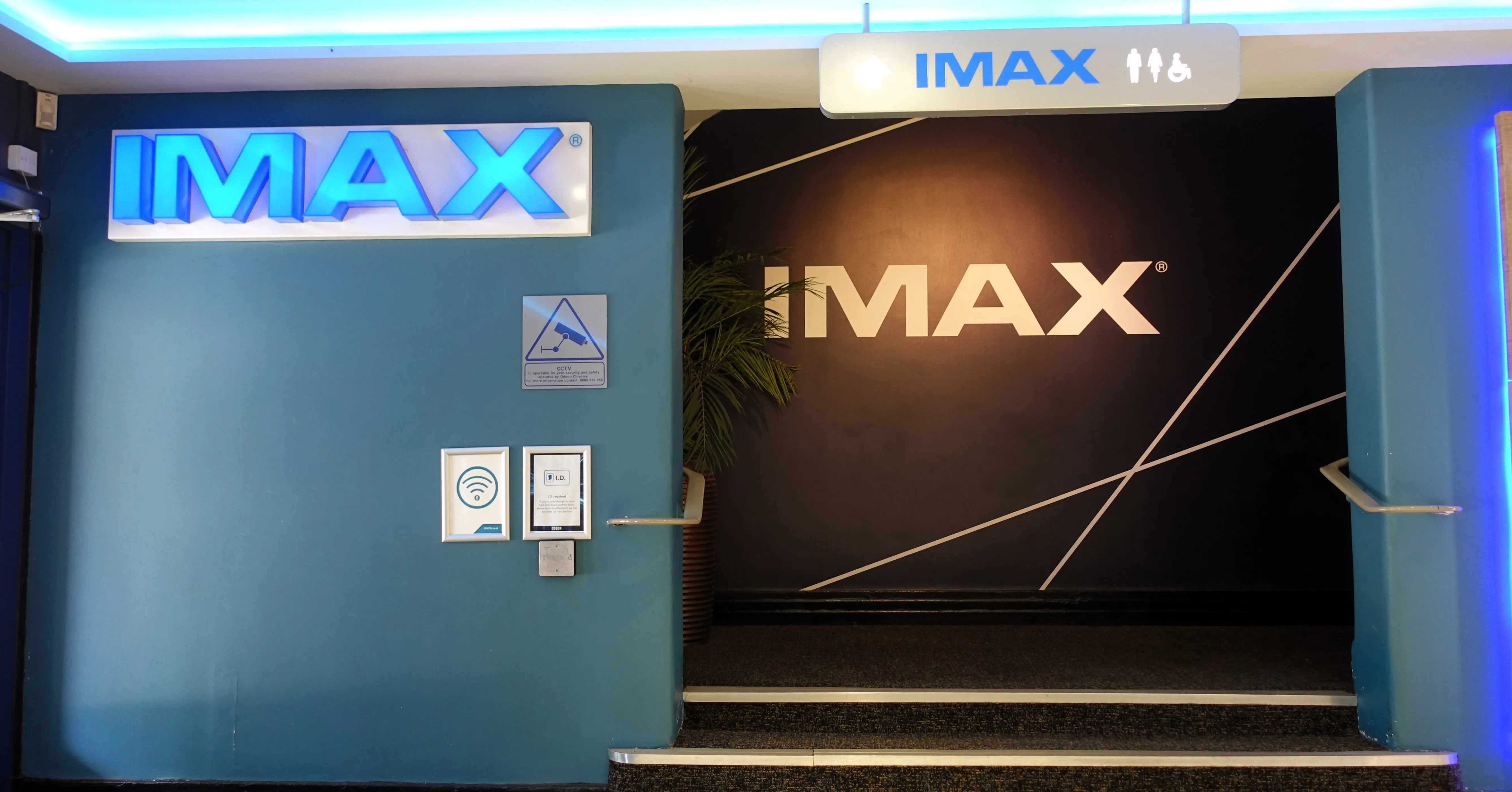
Christopher Nolan’s adaptation of Homer’s epic, The Odyssey, has become the most sought-after cinematic event of the year, yet access to its intended presentation is severely restricted. While the film is available on thousands of screens globally, only 41 cinemas—including 25 in the United States—are equipped to screen it in full Imax 70mm. Many of these venues are sold out for weeks, driven by the film’s status as the first feature shot entirely on Imax film cameras.
The scarcity stems from a critical infrastructure gap within the exhibition industry. Imax chief executive Rich Gelfond told Variety that new Imax film projectors have not been manufactured for approximately 50 years. Consequently, the company is forced to retrofit and rebuild existing units to meet demand. Industry sources indicate that many of the specialised parts required to construct new projectors no longer exist, making the production of fresh hardware unlikely despite the high demand.
The Imax 70mm format, which runs a 65mm film negative horizontally to create a 1.43:1 aspect ratio, offers a level of sharpness and immersion that digital alternatives struggle to replicate. Since introducing digital systems in 2008 to expand into major theatre chains, Imax has offered varied experiences, including cropped images on smaller screens. This fragmentation has led to inconsistent audience experiences, with James Hyder, a former manager of the Smithsonian Air and Space Museum’s Imax theatre, criticising the lack of clarity around different premium formats.
Hyder described the situation as a classic chicken-and-egg problem: studios require screens to justify making films, while theatres need films to justify installing screens. While digital 4K laser systems exist, they lack the specific sharpness of the 15/70mm film format. Hyder suggested that an acceptable digital replacement would likely require 8K projection, potentially achieved by tiling multiple 4K projectors, a technique already used in planetariums.
Despite the challenges, the format remains a gold standard for cinema enthusiasts. The Odyssey is available in six different premium formats, with aspect ratios ranging from 1.43:1 down to 2.39:1, but the official website does not fully clarify the variations in regular Imax experiences. As other recent blockbusters like Oppenheimer and Dune: Part Two also receive Imax 70mm releases, the limited number of capable venues continues to create significant demand, leaving many audiences with limited options to view the film in its intended glory.