The Met Gala proceeds despite billionaire patronage sparking boycotts and cultural debate
The Costume Institute exhibition launches with a "fashion is art" theme, yet the gala faces scrutiny over its funding sources and shifting cultural relevance
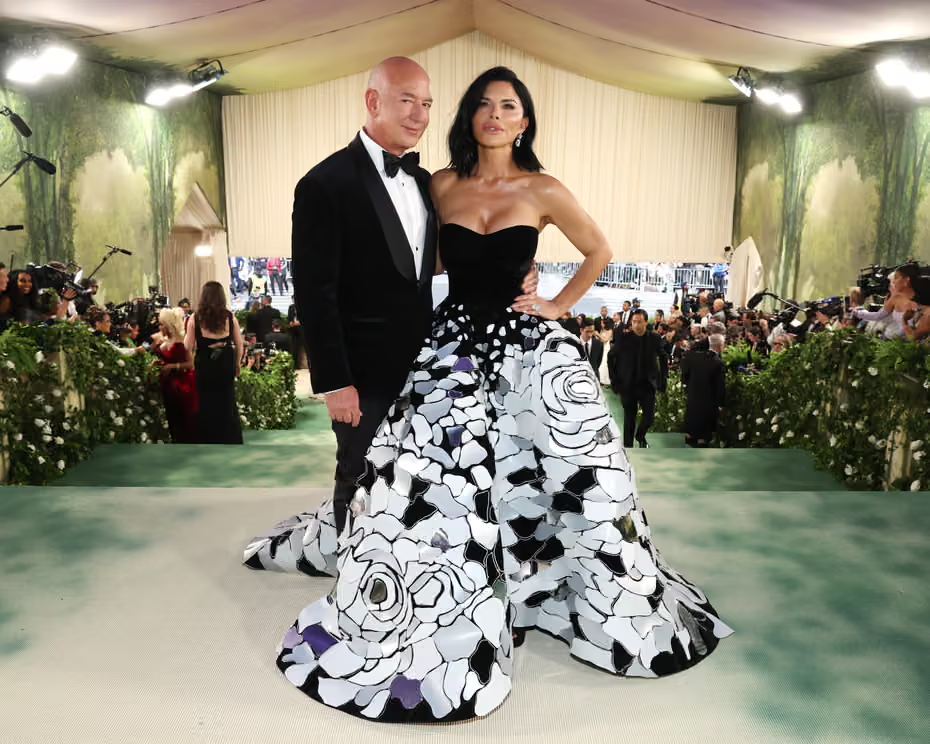
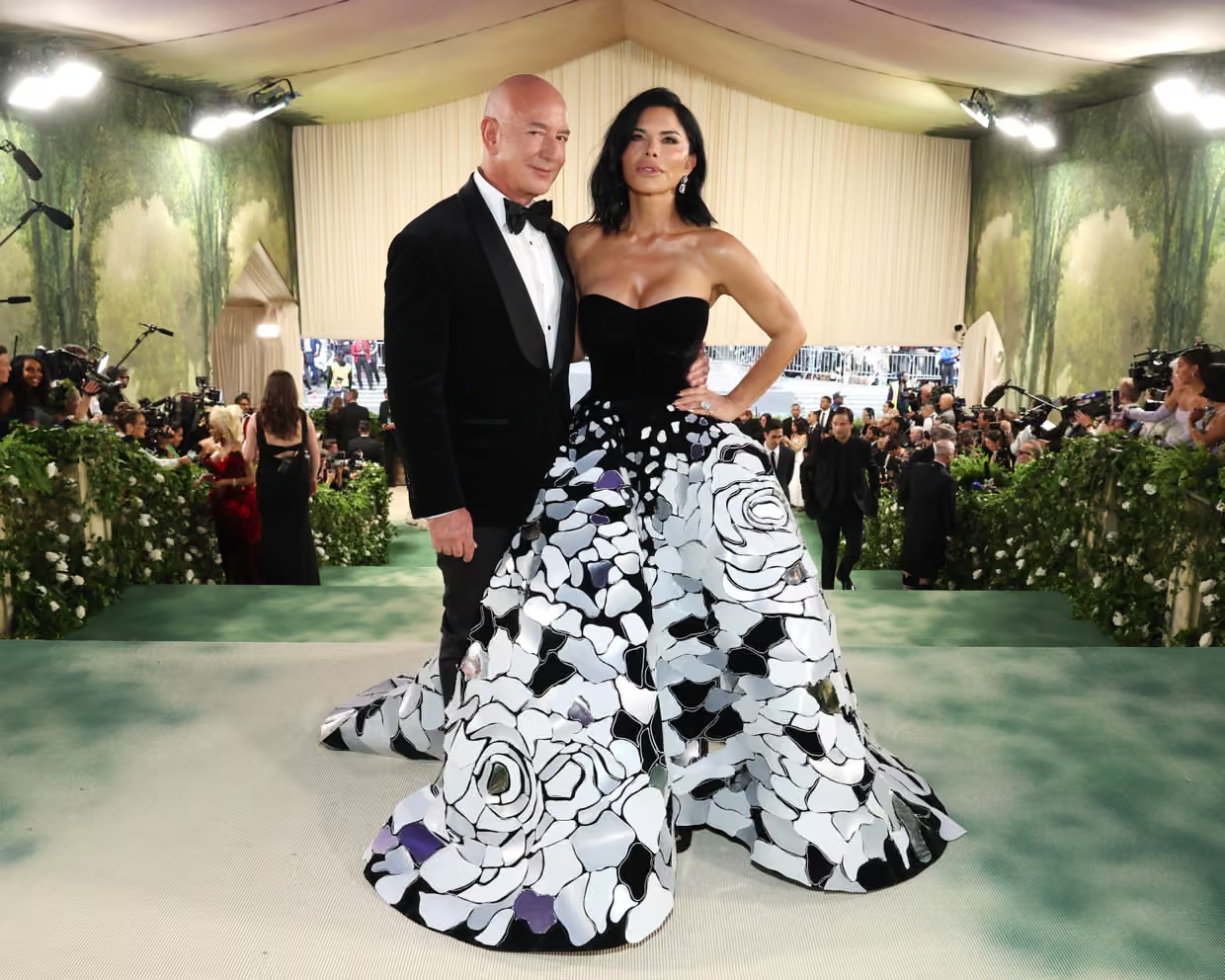
The Met Gala in New York is moving forward with its annual festivities, yet the event faces significant criticism following the appointment of tech billionaire Jeff Bezos and his wife, Lauren Sánchez Bezos, as honorary chairs. As the primary source of funding for the gala and the accompanying exhibition at the Metropolitan Museum of Art's Costume Institute, the couple's involvement has triggered a wave of boycotts and public debate regarding the event's cultural integrity.
Activists from the British group Everyone Hates Elon have mounted posters across New York streets to denounce the partnership, arguing that Bezos's patronage renders Vogue irrelevant and strips the gala of its traditional cachet. The group raised £15,000 in a single week to fund their protest campaign, with members expected to be present on the night of the event. Concurrently, New York Mayor Zohran Mamdani is skipping the gala, breaking a decades-long tradition of mayoral attendance that usually sees the city's leader present on the museum steps.
Despite the controversy, the event will proceed on Monday with a "fashion is art" dress code theme. The gala serves as the launch party for the Costume Institute exhibition curated by Andrew Bolton, which features 200 garments paired with 200 artworks. The exhibition highlights themes marginalised in traditional fashion and Western culture, including pregnancy, ageing, and disability, aiming to demonstrate the social and cultural value of fashion beyond mere aesthetics.
Rumours persist that Bezos intends to purchase Condé Nast, the parent company of Vogue, potentially as a wedding gift, though this remains unconfirmed. The speculation adds a layer of commercial uncertainty to the proceedings, with critics suggesting the gala has transformed from a genuine celebration of design into a publicity vehicle for tech billionaires. This shift has led some observers to question whether the event has lost its philanthropic purpose, which historically generates over 1 billion global video views on Vogue's platform alone.
The exhibition itself, split into 13 thematic body types, includes highlights such as a contorted corset by Michaela Stark and a Burberry trench belonging to disability activist Sinéad Burke. Curator Andrew Bolton noted that while the theme may elicit literal translations, it is essential for addressing the erosion of diversity on the runway over recent years. He emphasises that positioning fashion in the centre of the museum building is a symbolic act to recognise its aesthetic, social, and personal value.
As the couple is expected to attend the event on the museum steps, marking a shift from previous years where they may have been absent, the tension between high-profile patronage and cultural criticism remains palpable. While the gala continues to draw high-profile guests and remains a major fundraiser for the museum, the discourse surrounding its funding sources suggests a complex landscape where commercial power and artistic merit are increasingly intertwined.