The maxidress is out: why short sundresses are the summer 2026 antidote to default dressing
In a June 2026 piece for The Guardian, the columnist identifies the maxidress as a relic of predictable style and outlines how to wear the returning short sundress with friction rather than sweetness.
Fashion columnist Jess Cartner-Morley has declared the era of the maxidress over, arguing in a June 2026 article for The Guardian that the floor-length garment has become a symbol of predictable, default dressing. The piece suggests that the ubiquitous summer staple, which colonised outdoor events between 2019 and early 2026, should be replaced by shorter sundresses to encourage genuine self-expression over conformity.
Cartner-Morley notes that while the maxidress initially offered a fresh alternative for women born after approximately 1965 by allowing for practical footwear like flats, it has since evolved into a "comfort blanket" that stifles individuality. The columnist describes observing women wearing nearly identical floaty, tiered dresses at various events, characterising the trend as a tense negotiation between prettiness and exhaustion that defines modern womanhood.
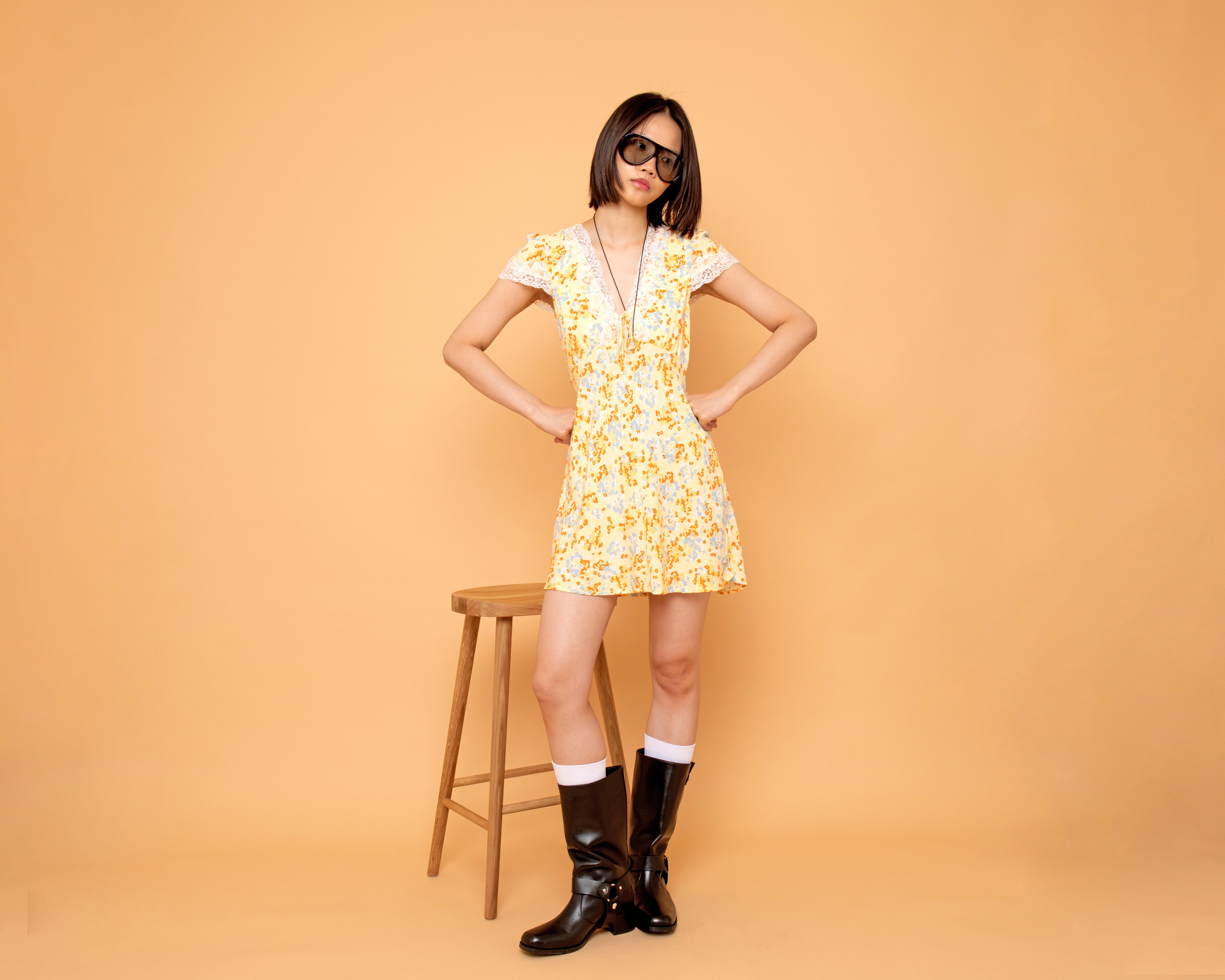
The article advocates for a return to the short sundress, not as a fleeting trend, but as a garment that thrives on contrast. Rather than leaning into traditional summery aesthetics with strappy sandals and delicate jewellery, the columnist recommends undercutting the dress’s inherent sweetness with structured elements. Suggestions include pairing the hemline with boots, socks with sandals, or structured jackets such as blazers or leather coats to create visual friction.
This approach to styling is presented as a way to navigate the practicalities of summer weather while maintaining style integrity. Unlike the maxidress, which functions as a complete, unlayerable look, the short sundress offers opportunities for layering. The addition of a companion piece adds a "bite" to the outfit, leveraging the tension between hard and soft, or masculine and feminine, to give the ensemble personality.
The core argument extends beyond hemlines to address the psychology of "default dressing." Cartner-Morley posits that the problem is not the maxidress itself, but its function as an autopilot choice worn because it is readily available and widely adopted. The columnist urges readers to view fashion as a tool for self-expression rather than compliance, acknowledging that while trends will inevitably cycle again, staying engaged with style is preferable to opting out.
The piece includes specific product recommendations to illustrate the proposed aesthetic, including a £79 dress from Nobody’s Child, £320 boots from Alohas, and £42 sunglasses from & Other Stories. The styling was executed by Charlotte Gornall, with hair and makeup by Delilah Blakeney using Moroccanoil and Nars, and the model Fu from Milk Management.