The Euro Summer Effect: How Tinned Fish Is Driving a UK Retail Surge
From John Lewis to Asos, retailers report double-digit sales spikes for fish-themed goods, linking consumer behaviour to the gourmet tinned fish trend and the desire for a 'slower' lifestyle.
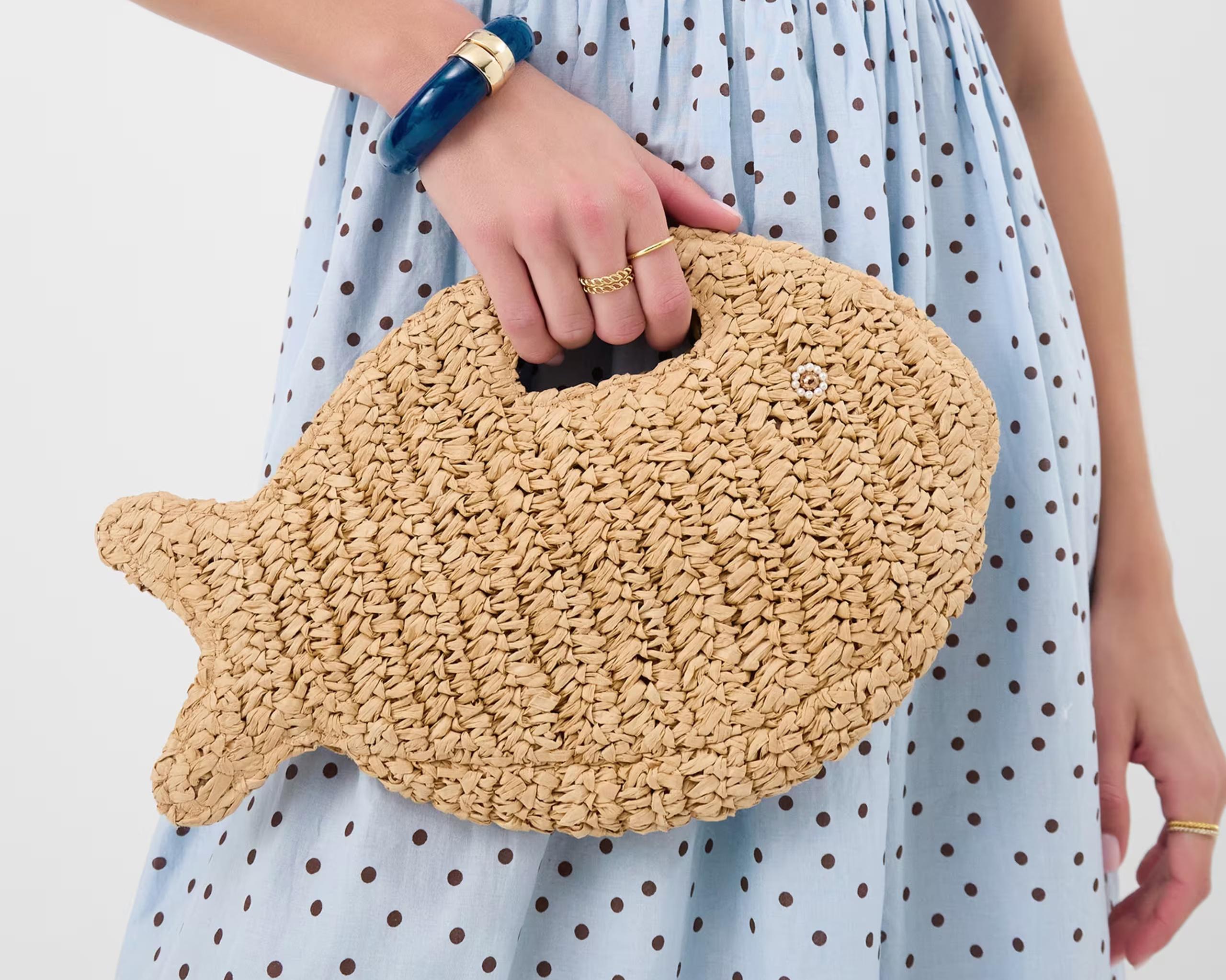
Three years after declaring the death of florals, John Lewis has identified a new print capturing the attention of UK shoppers. At the launch of its new high summer collection, the retailer reported that marine life-themed fashion and homewares are becoming a significant part of its sales haul. Sales of starfish-shaped earrings have risen by 300 per cent month-on-month, while demand for a silky blue skirt adorned with shoals of fish has created a waiting list.
The trend extends into homewares, where practical items have taken on aquatic forms. Sales of a set of glass tumblers that stack to form a fish shape are up 400 per cent month-on-month. Additionally, Wade Pottery’s “gluggle jug,” a ceramic pitcher shaped like a fish, has seen sales rise by 129 per cent month-on-month, with the retailer describing the item as an outdoor dining essential.
This retail surge is closely linked to the UK’s growing obsession with gourmet tinned fish, which has pivoted from a cheap cupboard staple to a “bougie” ingredient with jazzy packaging. Tesco reported an 18 per cent increase in tinned tuna sales this month, attributing the rise to TikTok influencers. While basic tins cost as little as 65p, gourmet versions start from £12, reflecting a broader cultural shift where preserved seafood has become a culinary fashion statement.
Major retailers are responding to this demand across various categories. At Asos, oversized graphic T-shirts featuring prints of sardines and carp are topping the bestseller list. Anthropologie offers fish-shaped hair clips and beaded shoulder bags covered in tiny sprats, while Brazilian brand Farm Rio reports that its marine references, including koi-inspired prints, are now trumping its popular bright botanical designs.
Experts suggest the trend is a response to the cost of living crisis and a desire for a simpler, European-style lifestyle. Bettina Makalintal, a senior reporter at Eater, notes that choosing fancy tinned fish and reflecting these choices in clothing and decor signals social and political alignment. Similarly, brand consultant Miranda Shanahan describes the movement as “sideways aspiration,” where consumers seek a slower, more embodied life rather than traditional luxury.
Historically, food has served as a narrative device in fashion, from medieval textiles featuring pomegranates to represent Earth’s bounty to 17th-century pineapples signifying wealth. Melissa Marra-Alvarez, curator at the Museum at the Fashion Institute of Technology, explains that food motifs are now used to make cultural statements in an emotionally charged landscape. This current wave follows the “tomato girl summer” of 2023, offering a similar spin on la dolce vita but focused on seafood prints, breezy linen, and jelly shoes.