The art of method dressing: what Travolta’s Cannes beret reveals about ambition
From UK politicians to Hollywood stars, the strategy of ‘enclothed cognition’ suggests that what we wear can influence how we are perceived, though it cannot replace the substance of the work itself.
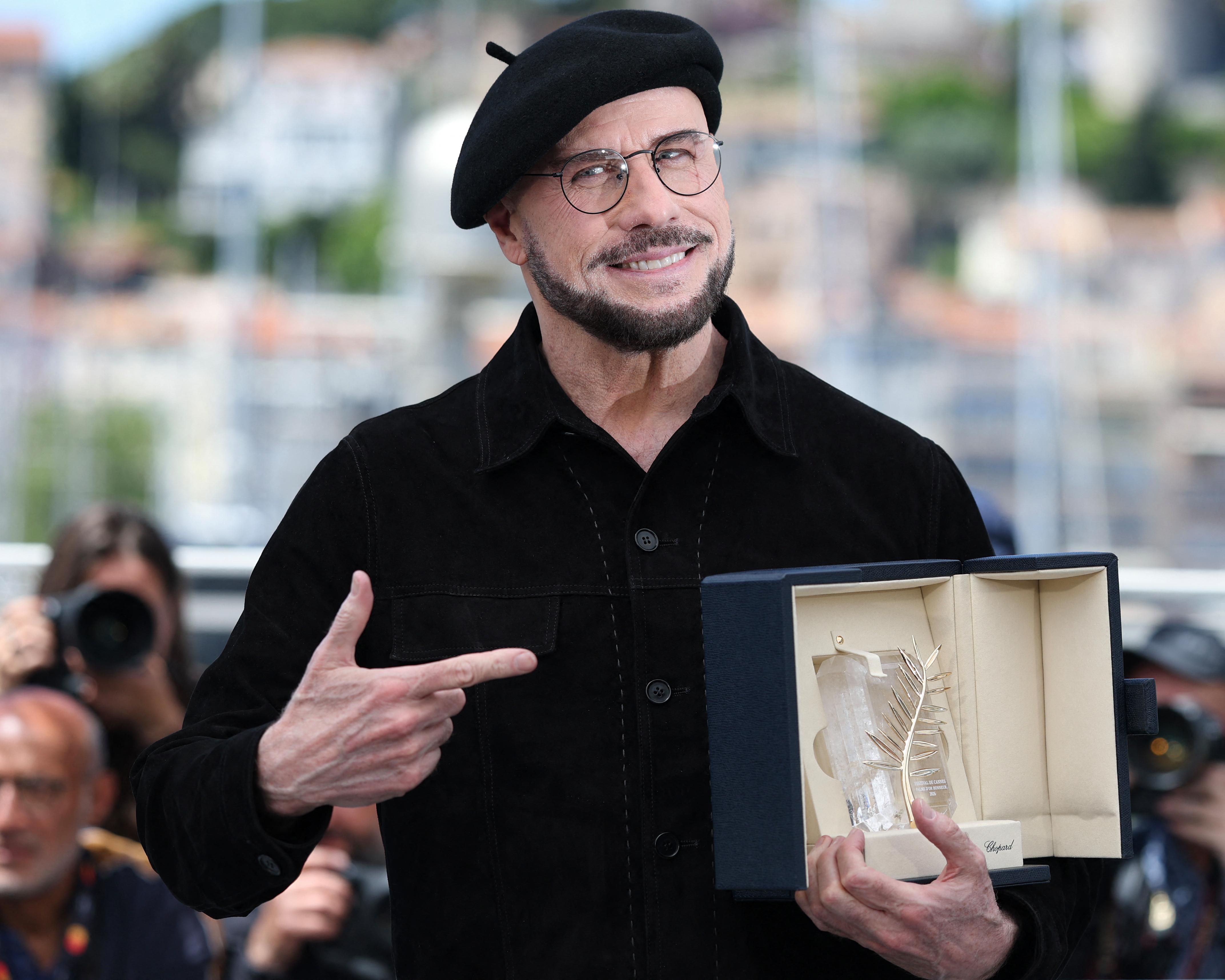
John Travolta’s appearance at the Cannes Film Festival in May 2026 has sparked a conversation that extends far beyond the red carpet. The 72-year-old actor, marking his debut as a film director, arrived on the seafront boulevard La Croisette wearing a beret, wire-frame spectacles, and a beard. The look, which Travolta admitted was a conscious effort to emulate ‘old school’ auteurs such as Ingmar Bergman and Roberto Rossellini, saw him rotating between black, brown, and cream berets while waving an honorary Palme d’Or.
The visual transformation went viral, drawing comparisons from online commentators to a barista, a Bond villain, and a character from Guess Who?. However, Travolta’s candid admission to CNN that he was “playing the part” of a director softened the initial reaction. By framing the ensemble as a form of ‘method dressing’, he acknowledged the performative nature of his appearance, turning potential mockery into a discussion about identity and ambition.
This strategy aligns with the psychological concept of ‘enclothed cognition’, where clothing systematically influences the wearer’s psychological processes and how others perceive them. The Guardian’s Morwenna Ferrier notes that this is not merely cosplay, but a deliberate attempt to shift outcomes. The approach mirrors other high-profile figures who use attire to signal status or aspiration, such as Taylor Swift wearing Elizabeth Taylor’s jewellery or Kim Kardashian donning Marilyn Monroe’s 1962 dress to invite comparison.
The phenomenon is particularly evident in British politics, where clothing serves as a tool for leadership theatre. Ferrier draws parallels between Travolta’s strategy and the sartorial choices of figures like Andy Burnham, who wears retro Everton shirts to signal a connection to the public, and Wes Streeting, who balances centrist suits with casual elements to project ease. Angela Rayner’s use of red in her recent ITV interview further illustrates how colour and style are deployed to define political identity.
While the power of dress is undeniable, its limits are clear. Ferrier argues that while Travolta earned the right to his new role by directing a film, the garment itself cannot guarantee success. The article describes the resulting film as “middling”, suggesting that while method dressing can soften hot takes and signal intent, it cannot substitute for professional competence. In an industry described as cruel and ageist, the beret may have helped Travolta navigate the transition, but the work remains the ultimate arbiter of relevance.