The algorithmic gamble: India’s Gen Z turns to secondhand fashion resale
From Delhi’s Sarojini Nagar to global supply chains, the ₹33,000 crore thrift market offers flexibility but exposes sellers to scams, dead stock, and the volatility of platform algorithms.
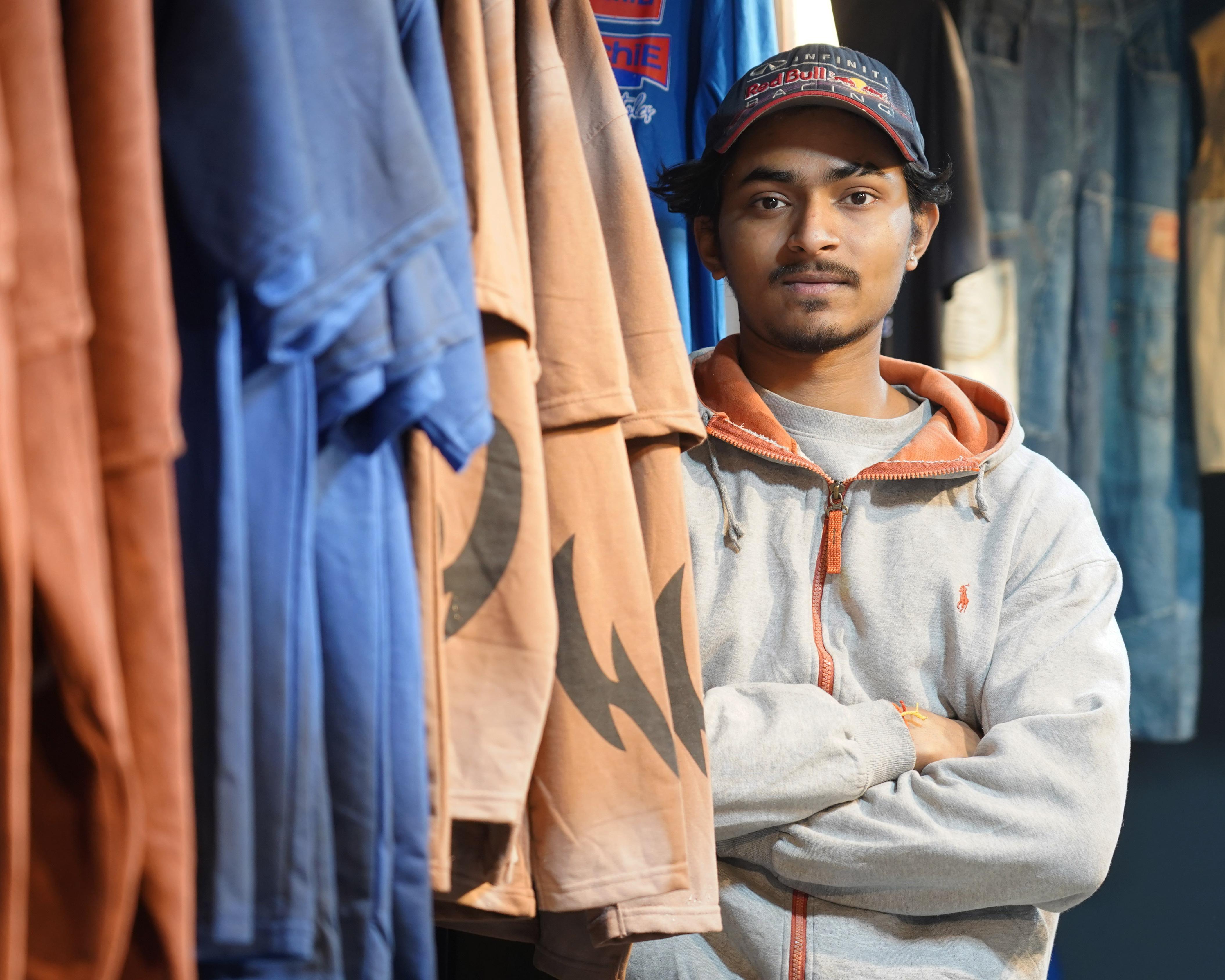
The work begins at sunrise, long before the first Instagram post goes live. Astha Chhetri, 26, spends her mornings combing through supplier lists and checking shipment updates for her online store. What started as a side hustle while working in a poorly paid call centre has become her full-time livelihood. “I was not enjoying my job, neither mentally nor financially,” Chhetri says. “I wanted to build something of my own.”
She is part of a broader shift among India’s digitally savvy youth. Facing high unemployment and rising living costs, many are turning to the resale of secondhand and vintage clothing as a primary income source. India’s informal thrift market is estimated to be worth approximately ₹33,000 crore (£2.5bn) annually. For buyers like 21-year-old student Ananya Khan, the appeal lies in finding distinctive, affordable fashion, often spending ₹800 to ₹1,500 per item.
The barrier to entry is low, offering flexibility that formal employment often lacks. Vishu Roy, 22, began with just ₹5,000 to ₹10,000 in savings and now runs a thrift store near Sarojini Nagar market in south Delhi. He sources from local markets and imports from China and Bangladesh, distinguishing between factory-reject surplus and export-consignment thrifted pieces. “If you stop posting, you disappear,” Roy says, noting that consistency on social media is everything.
However, the sector is fraught with risk. Sellers rely heavily on Instagram and WhatsApp, platforms where visibility drives income but algorithm changes can threaten livelihoods overnight. Chhetri reports that around 70% of her sales come from Instagram, meaning a bad week on the algorithm can hurt the whole month. Abhin Bougia, 22, who started in Jammu in 2021 with ₹1,000, has experienced extreme income variability, including a single day earning ₹35,000, but also faces issues with dead stock that fails to sell.
Beyond algorithmic dependency, sellers face physical and financial risks. Bougia and others report dealing with fake UPI payment screenshots and scam buyers. Chhetri notes that importing clothes involves costly customs and shipping, with no social safety net to fall back on. The work is self-managed, with no contracts or predictable income, leaving entrepreneurs to navigate the stress alone.
Experts argue that this trend reflects broader weaknesses in the formal labour market rather than a voluntary shift towards sustainable consumption. Arup Mitra, professor of economics at South Asian University, states that this is not a gainful activity but a response to unavailable productive avenues. While some buyers cite style over sustainability, the reality for sellers is a constant gamble. “It is all on you,” Chhetri says. “Every day is different, some good, some bad. But for now, it works.”