Texas ICE detention system expands amid rising mortality and family separations
A France 24 investigation reveals that over 610,000 people have passed through US detention centres since January 2025, with the system set to expand under a $45 billion allocation.
The United States immigration detention system is undergoing a significant expansion as migrant arrests reach record levels under the current administration. Since Donald Trump returned to the White House in January 2025, more than 610,000 individuals have passed through facilities managed by Immigration and Customs Enforcement (ICE). The pace of arrests has accelerated, with nearly 51,000 recorded in August 2026 alone, setting a new benchmark for the president’s second term.
Texas has emerged as the central hub of this growing infrastructure, housing the country’s largest family detention centre in Dilley, located south of San Antonio. The facility is designed to hold up to 2,400 people, including parents and children. Despite its scale, the centre remains largely opaque to the public, as ICE bars journalists from entering the premises. A France 24 investigation, conducted by reporters Valérie Defert and Pierrick Laurent, sought to examine the conditions within these walls after spending several weeks in the region.
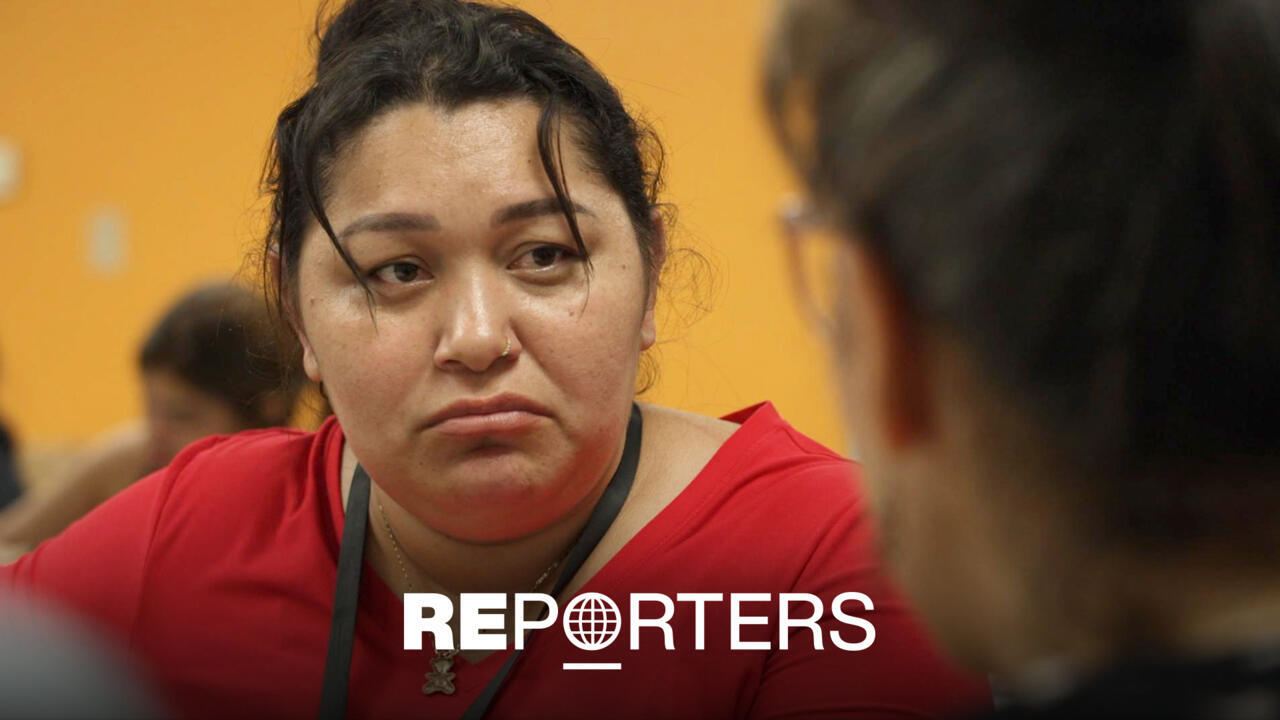
The human cost of the policy is evident in the detention of minors. Since January 2025, over 6,200 children have been held by ICE, a figure that includes at least 500 infants and children aged three or younger. The investigation highlights the case of a Venezuelan family, including a mother and two children, who were arrested while walking to a school bus stop. They were detained at Dilley for 17 days before a federal judge ordered their release. In San Antonio, a local pastor estimates that approximately one in four families within her congregation has experienced the arrest and subsequent deportation of a loved one.
Conditions within the facilities have drawn criticism from detainees and advocacy groups. Jefferson, a Venezuelan asylum seeker and father of two, described months of separation from his family while held at the Don Hutto detention centre. He reported poor living conditions and a lack of access to adequate healthcare. These accounts align with broader concerns regarding the welfare of those in custody.
Mortality rates in ICE detention have also risen sharply. At least 57 people have died in custody since the start of the current administration. According to reports from Human Rights Watch and Physicians for Human Rights, the mortality rate more than doubled during the first 500 days of Trump’s second term, indicating a significant shift in the health outcomes for detainees.
The expansion of the system is underpinned by substantial financial commitments and private sector involvement. The management of the Dilley facility is governed by a contract that provides a monthly payment of $13.1 million to maintain its capacity. Looking ahead, the US government has allocated $45 billion to increase detention capacity through 2029, signalling a long-term institutional commitment to the current model of mass detention.