Tesla’s Cybercab launch in Austin marks pivotal shift toward AI and robotics
The gold two-seater robotaxi, devoid of steering wheels or pedals, represents a critical transition for Tesla from a traditional automaker to an AI-driven entity, with hundreds of vehicles already staged in Texas.
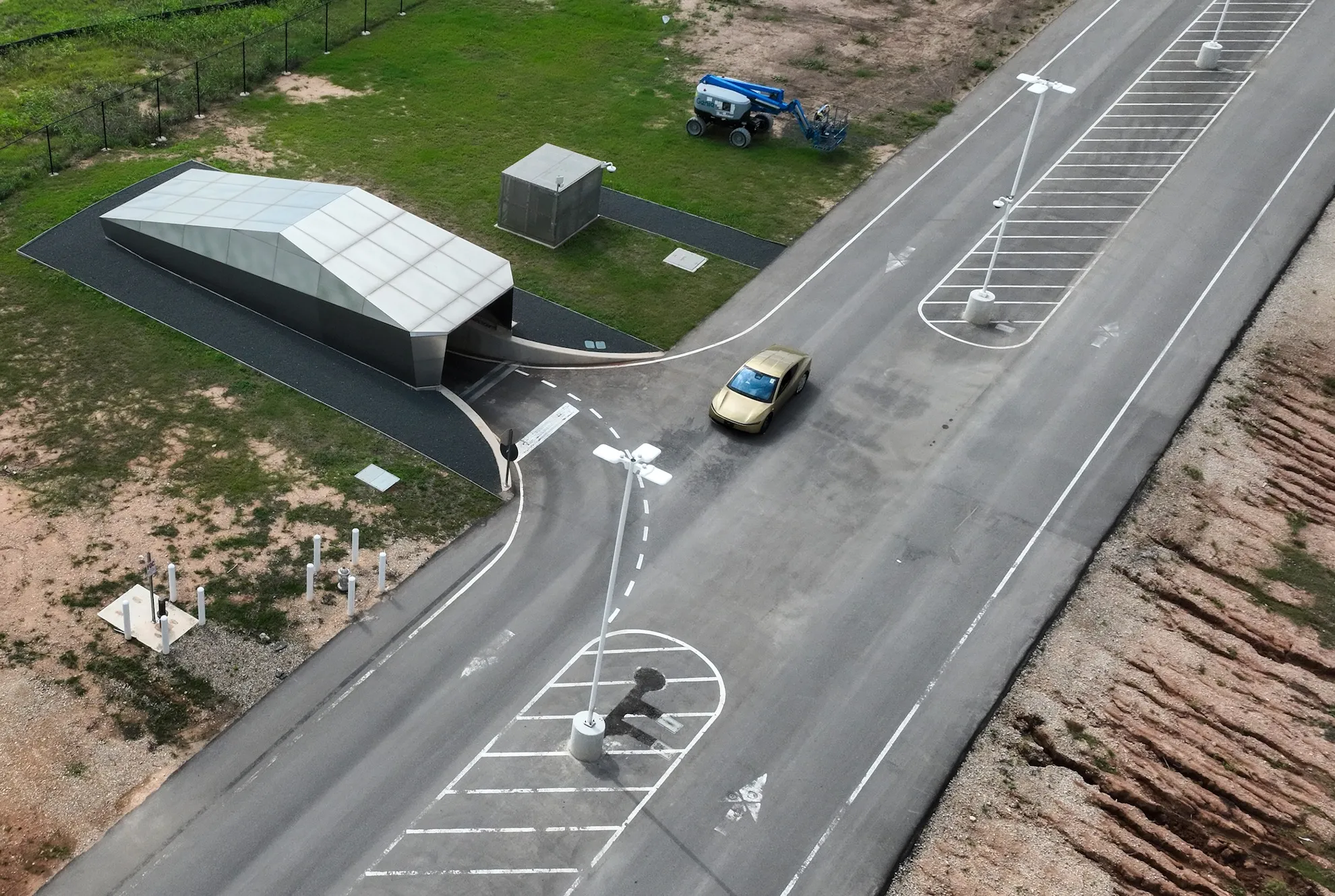
Tesla is set to formally launch the Cybercab in Austin, Texas, an event that could fundamentally redefine the company’s market position. The vehicle is a small, gold, two-seater sedan that relies on cameras and artificial intelligence to navigate without a steering wheel or pedals. This launch marks a potential pivot for Tesla, transitioning it from an automaker with various side projects to a firm primarily focused on AI and robotics.
In the run-up to the event, Tesla staged dozens of Cybercabs around Austin and other US cities. According to the state’s automated vehicle tracker, 420 autonomous vehicles were registered in Texas at the time of reporting. CEO Elon Musk described the moment as a "fork in the road" for the company’s future, a metaphor he has previously employed in other corporate contexts.
The launch strategy signals a departure from the cautious messaging used in recent months. Ashok Elluswamy, head of Tesla AI, stated that the "streets won’t be the same anymore." When a user suggested Tesla was "about to flood Austin," Musk replied with a simple "Yes." He further amplified the narrative by posting an AI-generated image of the Cybercab amidst a dust storm, captioning it "A Storm of Cybercabs."
The Cybercab emerged from Tesla’s effort to develop a next-generation electric vehicle platform that is cheaper to build. The design is smaller, lighter, and features a lower-capacity battery pack than other Tesla models, reducing raw material costs. This cost structure is central to Tesla’s strategy, as it aims to turn a profit faster once the vehicles are deployed at scale.
However, challenges remain regarding the scale of operations. Tesla’s current robotaxi network operates within geofenced areas, a limitation Musk has previously criticised as insufficient for "real self-driving." The company has reported a few dozen minor incidents in Austin since launching its pilot program in June using modified Model Y SUVs. While the paid miles facilitated by the network have recently moved backward, Tesla believes the dedicated Cybercab is essential for scaling.
Investors and analysts are watching closely to see if the Cybercab can deliver tangible evidence of Tesla’s transition. The distinct gold colour of the vehicles means that any software failures will be more visible than those of the camouflaged Model Ys used in previous tests. This launch is either the moment Tesla begins to transform urban transportation or a revelation that it remains primarily an automaker.