Tesla Robotaxis in Austin now fully unsupervised ahead of Cybercab launch
Data from Robotaxi Tracker indicates all recent rides in Austin were conducted without human safety monitors, a shift that precedes the anticipated rollout of Tesla’s purpose-built Cybercab.
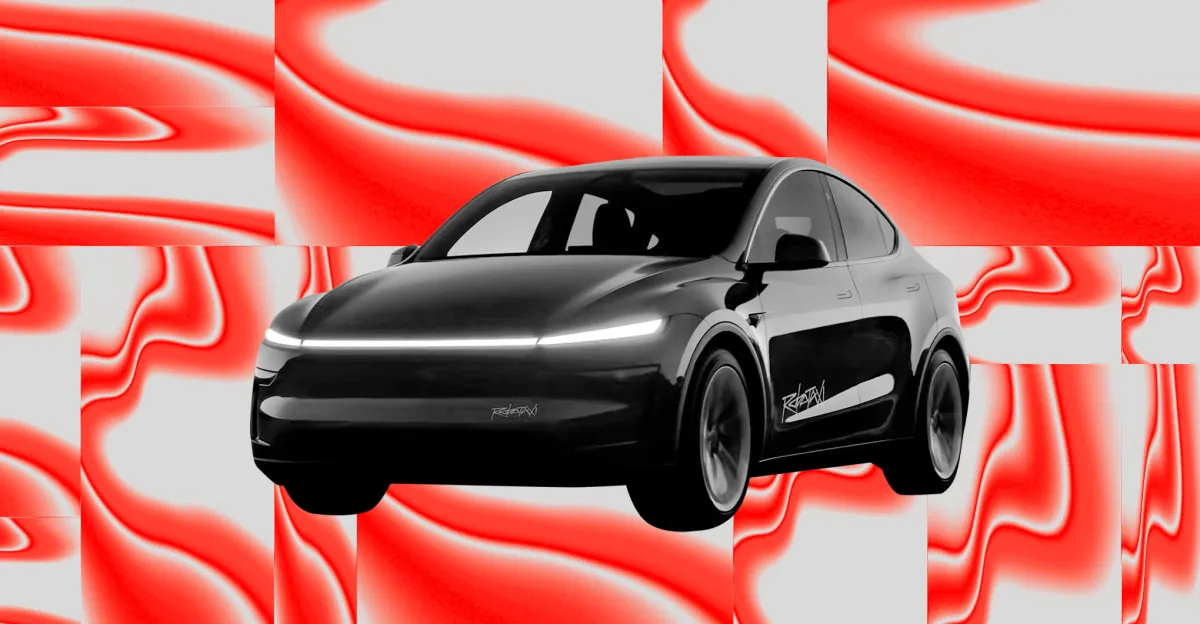
Tesla’s Robotaxi service in Austin appears to have transitioned to fully unsupervised operations, according to data from the crowdsourced tracking site Robotaxi Tracker. Over the past two weeks, all 170 rides monitored in the city lacked human safety monitors, involving 54 different vehicles. This development marks a significant milestone for the company, following an announcement by Elon Musk seven months ago that the Austin fleet was operating without onboard monitors.
The shift in Austin is part of a broader expansion of driverless vehicles in the region. Robotaxi Tracker creator Ethan McKanna noted a sharp increase in unsupervised operations in Dallas and Houston, where approximately 30 driverless Teslas have been active over the past week. This represents a substantial change from earlier this summer, when the unsupervised fleet appeared to be stagnating or shrinking, with only 28 active vehicles across six markets in Texas and Florida.
McKanna, who previously interned with Tesla’s Robotaxi team, indicated that some of the apparent jump in numbers reflects improved data accuracy. He stated that certain metrics on his site had been lagging and that he is currently updating the platform to incorporate revised data. However, the transition in Austin appears genuine, with vehicle plates previously marked as supervised now confirmed to be offering unsupervised rides. These findings align with reports from users on social media platforms such as Reddit and X.
The move to full unsupervision is strategically important as Tesla prepares to launch the Cybercab in Austin as soon as this month. Unlike the Model Ys currently used for rides, the Cybercab is a purpose-built robotaxi designed without traditional controls such as a steering wheel or pedals. Consequently, the ability to operate vehicles without onboard human monitors is a critical prerequisite for the Cybercab rollout.
A recent note from JPMorgan suggests that Tesla is intentionally holding back on adding Model Ys to the Robotaxi fleet. The bank believes the company is preparing to scale the Cybercab in the near term, rather than expanding the existing Model Y-based service. On its most recent earnings call, Musk stated that the Robotaxi program would scale "very, very rapidly," though he did not provide specific targets for vehicle or city counts.
Despite the recent progress, Tesla remains behind its primary competitor in the robotaxi space. Waymo currently operates more than 300 driverless vehicles in Austin alone and has approximately 4,000 vehicles across 10 other cities. Tesla did not respond to requests for comment regarding the operational changes or the Cybercab launch timeline.