SpaceX orbital data centers risk creating new class of space e-waste
A proposed million-satellite constellation for AI processing could export significant quantities of critical metals into space, raising questions about resource efficiency and environmental impact.
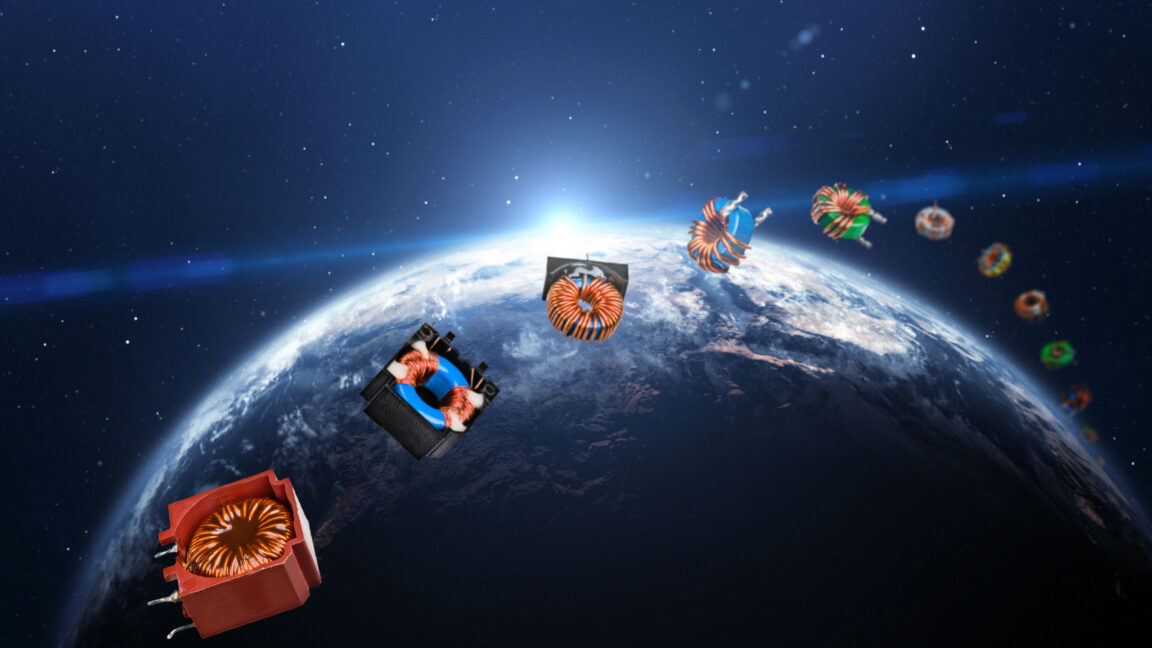
SpaceX’s proposal to deploy a million-satellite constellation for artificial intelligence data centers in low-Earth orbit presents a novel challenge for material sustainability. Unlike traditional electronic waste, which escapes terrestrial recycling pipelines, this scheme would export valuable materials beyond Earth’s gravitational pull. The scale of the project would dwarf the current mass of objects in low-Earth orbit, a sector where Starlink alone has already doubled the total mass of debris and assets.
Based on a May 29 filing with the US Federal Communications Commission, the plan assumes a roughly five-year operational lifetime for the graphics processing units used in the satellites. This timeline implies that approximately 200,000 of the proposed one million satellites would be decommissioned annually. The disposal strategy involves deorbiting about 40,000 units to burn up in the atmosphere, while the remaining 160,000 would be moved to distant disposal orbits. In either scenario, the hardware is effectively removed from the material life cycle.
The atmospheric reentry of 40,000 satellites would disperse materials such as aluminum throughout the atmosphere. This process could turn valuable resources into diffuse contaminants that slowly settle across the globe, with potential implications for ozone depletion over several decades. The remaining satellites, pushed into distant orbits, would be lost to recovery efforts, creating a permanent loss of embedded materials.
Estimates derived from the material footprint of high-end GPUs suggest the annual export of significant quantities of critical metals. These figures include 1,000 tons of copper, 170 kilograms of gold, almost two tons of silver, and over 20 tons each of bismuth and titanium. The loss of palladium and thallium is particularly notable, with annual losses equating to roughly one percent of global production for both elements.
Recovering these materials would require mining asteroids of substantial size. For instance, recovering the lost copper would necessitate mining an asteroid between 140 and 190 meters in diameter, while an equivalent amount of silver would require a body 225 to 300 meters across. This highlights the inefficiency of exporting resources to space compared to terrestrial recycling, where the cost of recovery is significantly lower.
In an SEC filing, SpaceX stated its intention to establish lunar-based manufacturing capabilities to produce AI compute satellites using raw materials from the Moon. The company plans to use lunar resources for the bulk of the satellite mass while shipping chips and other lower-mass components from Earth. While technically feasible, this approach raises questions about the economic viability of building a lunar mining operation versus the cost of responsible terrestrial e-waste processing.