Tesla launches Cybercab robotaxi in muted Austin debut
The two-seater lacks a steering wheel and pedals, relying on eight cameras for navigation as Tesla expands its unsupervised fleet to 256 vehicles.
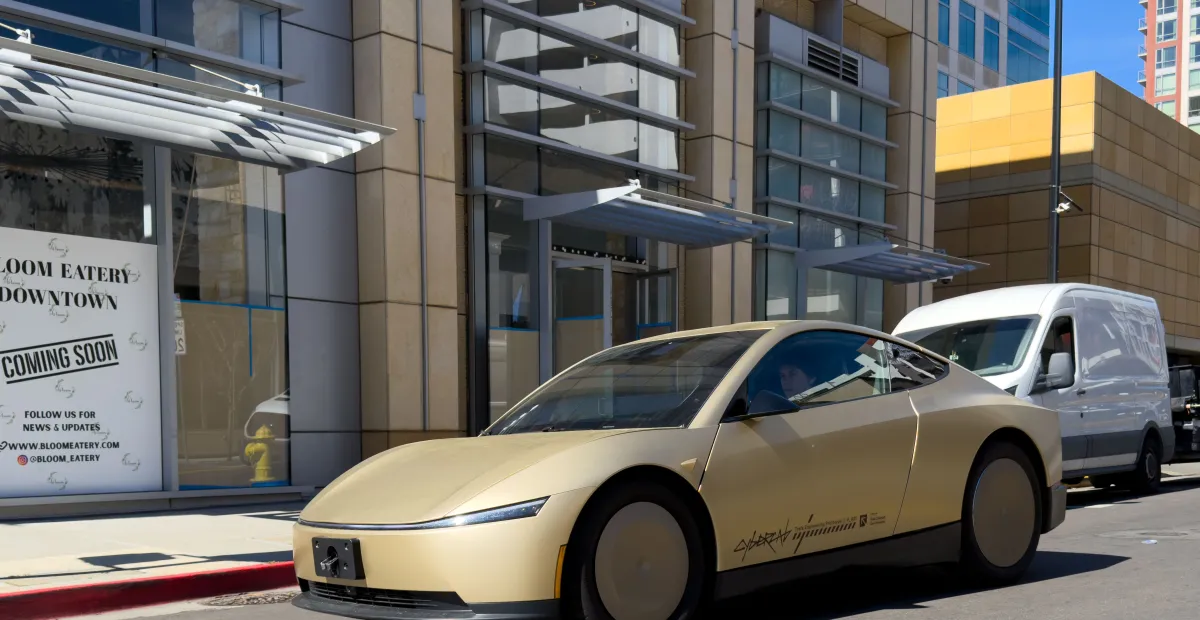
Tesla has officially launched its autonomous Cybercab at a private event in Austin, Texas, marking a significant milestone for a company that has long bet its future on artificial intelligence and driverless technology. The launch was notably low-key, with no livestream and a limited invite list consisting primarily of pro-Tesla influencers. This approach mirrors the company’s previous robotaxi unveiling, designed to manage public perception and blunt potential criticism of the new product.
The Cybercab is a two-seat sedan featuring gullwing doors and a minimalist interior that lacks a steering wheel, pedals, or mirrors. Instead, the vehicle relies on eight cameras for navigation, eschewing the radar and lidar sensors commonly found on competing robotaxis. According to filings with the US Environmental Protection Agency, the vehicle is the lightest and most range-efficient model Tesla has produced, weighing 3,113 pounds and powered by a single front-mounted 219 horsepower motor and a 48kWh battery pack.
As of the launch, 45 Cybercabs are registered with the Texas Department of Motor Vehicles, though it remains unclear how many will enter commercial service immediately. This addition brings Tesla’s total fleet of unsupervised autonomous vehicles to 256 across six cities. The company also launched a new website for its Robotaxi service, which outlines specific riding rules, including a ban on children under the age of 13. A new online form has also been introduced for those interested in future opportunities, such as purchasing fleets or building mobility hubs.
The launch places Tesla in direct competition with Alphabet’s Waymo, which currently operates approximately 4,000 vehicles across 14 cities. While Tesla’s fleet is significantly smaller, the company is embarking on a risky new phase that pits its stripped-down, lower-cost approach to autonomy against more established players. For the past year, Tesla has operated a robotaxi service in Texas and Florida using modified Model Y vehicles, some of which are still supervised by human safety drivers.
Investors appear to view the Cybercab as a key justification for Tesla’s $1.18 trillion valuation, with the stock price rising nearly six points over the past five days. This optimism persists despite a history of broken promises regarding self-driving capabilities, including Elon Musk’s claim that 50 percent of the US population would have access to Tesla’s robotaxis by the end of 2025. Currently, the vehicles are only available in six cities, and the company’s $99-a-month Full Self-Driving feature remains a Level 2 driver-assist system requiring constant human supervision.
The launch also highlights ongoing legal and regulatory challenges, with multiple lawsuits alleging that Tesla has misled the public about its autonomous capabilities. Despite these hurdles, the introduction of the Cybercab represents a critical step for a company facing slowing electric vehicle sales and rising competition, particularly from China.