TerraPower targets AI data centres with molten salt storage advantage
The Bill Gates-founded nuclear startup is leveraging its 345-megawatt Natrium reactor’s ability to store excess heat in molten sodium to meet the volatile power demands of artificial intelligence infrastructure.
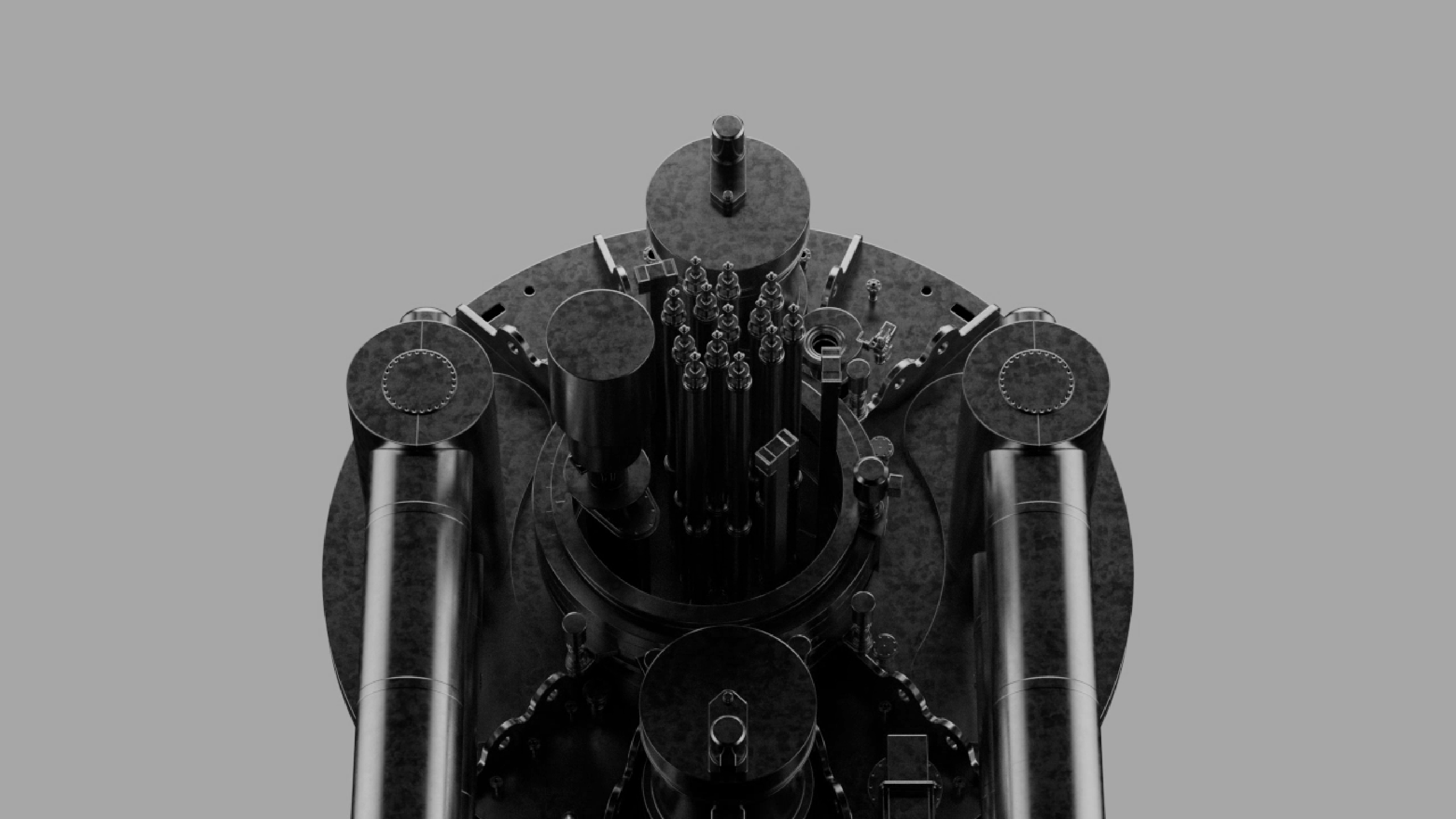
TerraPower, the nuclear startup founded by Bill Gates, is positioning its 345-megawatt molten salt-cooled reactor as a competitive solution for powering AI data centres. According to reporting from Bloomberg, the company plans to announce its first dedicated data centre project in 2026, with construction expected to commence in 2027. This facility would serve as the company’s second power plant, following its first site which is currently under construction in Wyoming. While TerraPower has not identified the specific customer for the upcoming project, it previously announced in January that Meta had agreed to purchase eight of its Natrium power plants.
The strategic advantage of TerraPower’s design lies in its integrated energy storage capability, a feature that distinguishes it from traditional nuclear reactors. Conventional nuclear plants operate best at full capacity, maintaining a high capacity factor of 92.5% in the United States. However, these reactors are slow to adjust to changing loads, typically capable of increasing or decreasing output by only about 5% per minute. Newer small modular reactors can react faster, adjusting by approximately 10% of rated output per minute, but operating at reduced capacity is economically challenging due to the high capital expenditures associated with nuclear technology.
AI data centres present a unique challenge for power providers because their loads fluctuate rapidly as GPUs process training tasks or respond to prompts. These sudden spikes and drops in demand can stress power infrastructure, often requiring large banks of batteries to smooth the curve and increase costs. TerraPower’s reactor addresses this by decoupling the fission process from power generation. Instead of adjusting the reactor’s core fission rate, the plant continues to split atoms at a steady pace, storing excess heat in a large vat of molten sodium.
When power demand from a data centre spikes, the plant taps this reservoir of stored heat to generate additional steam and spin the turbines. This allows the expensive nuclear equipment to operate at peak capacity continuously, even when immediate demand is low. By amortising the investment over more operational hours, TerraPower aims to make its technology economically viable despite the high initial costs. The design was originally intended to complement intermittent renewable sources like wind and solar, but its flexibility is now being marketed as a key advantage for data centre applications.
The approach combines the high capacity factor of nuclear power with the responsiveness of energy storage, enabling the plant to accommodate intermittent power needs without sacrificing efficiency. This flexibility could provide TerraPower with a significant edge in the race to secure power deals for AI infrastructure. As the industry grapples with the energy demands of artificial intelligence, TerraPower’s molten salt-cooled reactor offers a potential solution that balances reliability with the rapid load changes required by modern data centres.