Tennessee plans $360 million youth prison expansion as arrests fall
The Department of Children’s Services says it needs more high-security beds. Arrests and entries into the system have fallen, while questions remain about placement, rehabilitation and oversight.
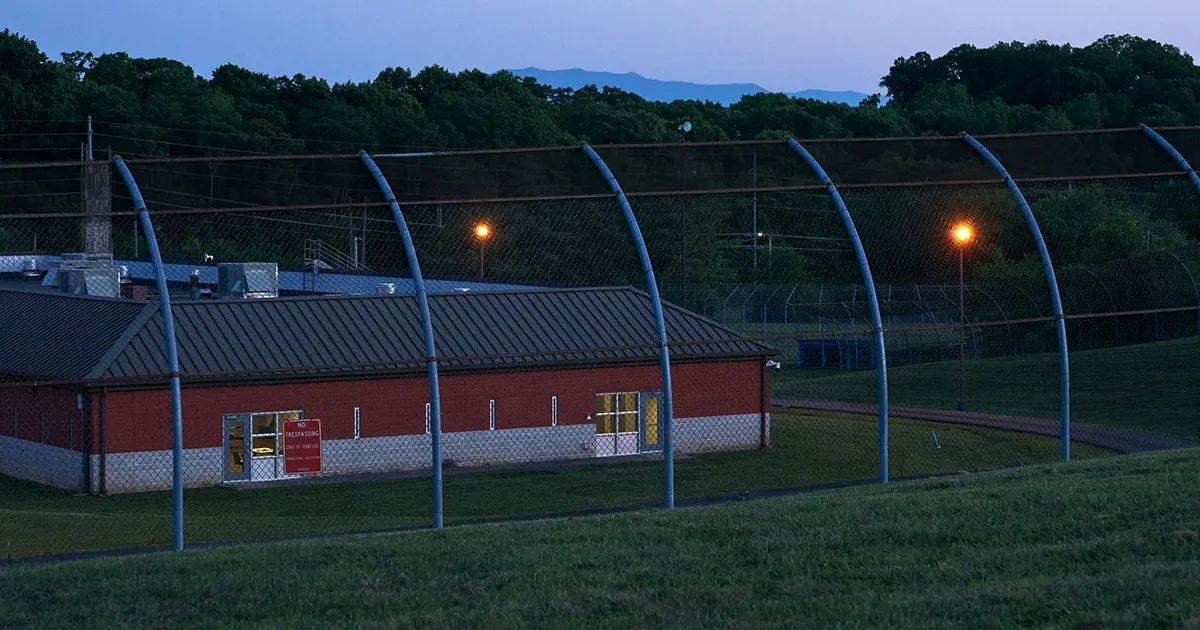
Tennessee has budgeted $360 million for two high-security youth facilities, with capacity for up to 256 young people. Construction is due to begin this autumn, and the facilities are scheduled to open in 2028 and 2029, according to a ProPublica report produced with WPLN.
The Department of Children’s Services says it lacks secure beds and has sometimes housed teenagers overnight in temporary locations, including office buildings. It attributes capacity pressures to factors including specialised mental health needs and staffing issues. The state says the number of young people requiring a particular level of care can remain high even as overall arrests decline.
A state-commissioned study found police reports of violent juvenile crime rose after 2013, while arrests and entries into the system fell. Murder arrests increased from 15 in 2013 to 26 in 2024, but remained below their 2018 peak. The report says publicly available data does not show which charges lead to placement in each type of facility.
Advocates and experts cited by ProPublica question whether larger secure facilities support rehabilitation. They point to small, community-based programmes as an alternative. Tennessee says it offers community-based services to young people who can safely remain at home, but cannot comprehensively track re-arrests after release because it lacks a central system.
A 2024 lawsuit alleges that young people in existing facilities have faced inappropriate placements and inadequate education and mental health care. The department disputes many claims, and the case is ongoing. The state has not specified how many beds in the proposed facilities it expects to fill or who will operate them; a bid process is planned.
Tennessee’s independent Juvenile Justice Review Commission is expected to issue its first recommendations in 2028. The report says the state does not currently have an independent body with enforcement power overseeing the facilities.