Smithsonian faces federal pressure over history exhibits
A White House report, congressional hearings and funding warnings have sharpened a long-running dispute over how the National Museum of American History should tell the country’s story.
The Trump administration has intensified its challenge to the Smithsonian Institution’s approach to US history, focusing on the National Museum of American History. A White House report released on 4 July criticised the museum’s exhibits and said it lacked a unified national narrative. Those are the administration’s assessments, not settled findings.
The report cited, among other examples, an exhibit about Benjamin Franklin that said he had enslaved people in his household and speculated they may have assisted in his electrical experiments. The exhibit closed in 2025, though it remains online. The source reporting says the possibility of their involvement is uncertain.
Two House committees held hearings in late July, where Republican members challenged museum director Anthea Hartig over exhibits and staff training. Hartig said the White House report did not fairly or accurately represent the museum’s full body of work.
The pressure has included executive orders and warnings about federal support. In August, Interior Secretary Doug Burgum told the Smithsonian’s Board of Regents that federal agencies could not support the institution under its current leadership. The Smithsonian is independent of the executive branch, but receives 62 per cent of its funding from the federal government, according to ProPublica. The reporting does not establish what funding cuts, if any, will follow.
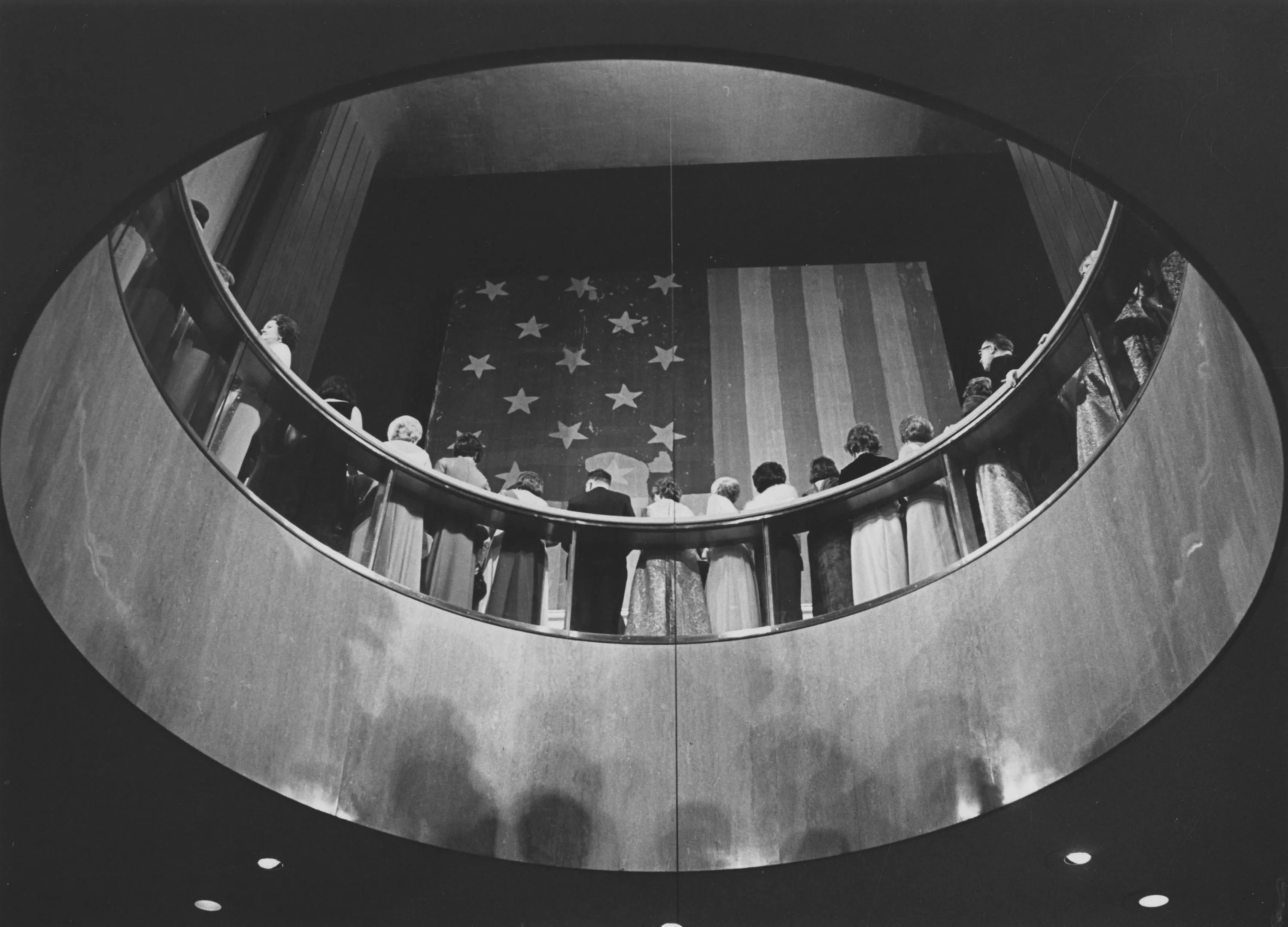
The dispute draws on decades of debate over the museum’s purpose and how to present a national story. It opened in 1964 as the National Museum of History and Technology and took its current name in 1980. Smithsonian leaders elevated work on race, identity, diversity and inclusion after the 2020 pandemic closures and the murder of George Floyd.
Smithsonian secretary Lonnie Bunch announced on 8 September that he would step down, saying the role had been stressful. The institution’s future direction and the process for choosing his successor remain unsettled. The Smithsonian is governed by a 17-member Board of Regents and comprises 21 museums, according to the report.