Tehran submits 14-point peace plan to Washington as conflict enters day 65
Tehran has formally offered non-aggression guarantees and sanctions relief, but the request to delay nuclear negotiations has drawn sharp criticism from the White House
On the 65th day of the ongoing conflict, Tehran has formally submitted a 14-point peace proposal to Washington seeking an end to hostilities across all fronts, including operations in Lebanon. The document outlines specific demands for guarantees of non-aggression, the lifting of the naval blockade, and relief from sanctions. However, the plan explicitly seeks to postpone nuclear negotiations to a later stage, a move that has immediately complicated diplomatic prospects.
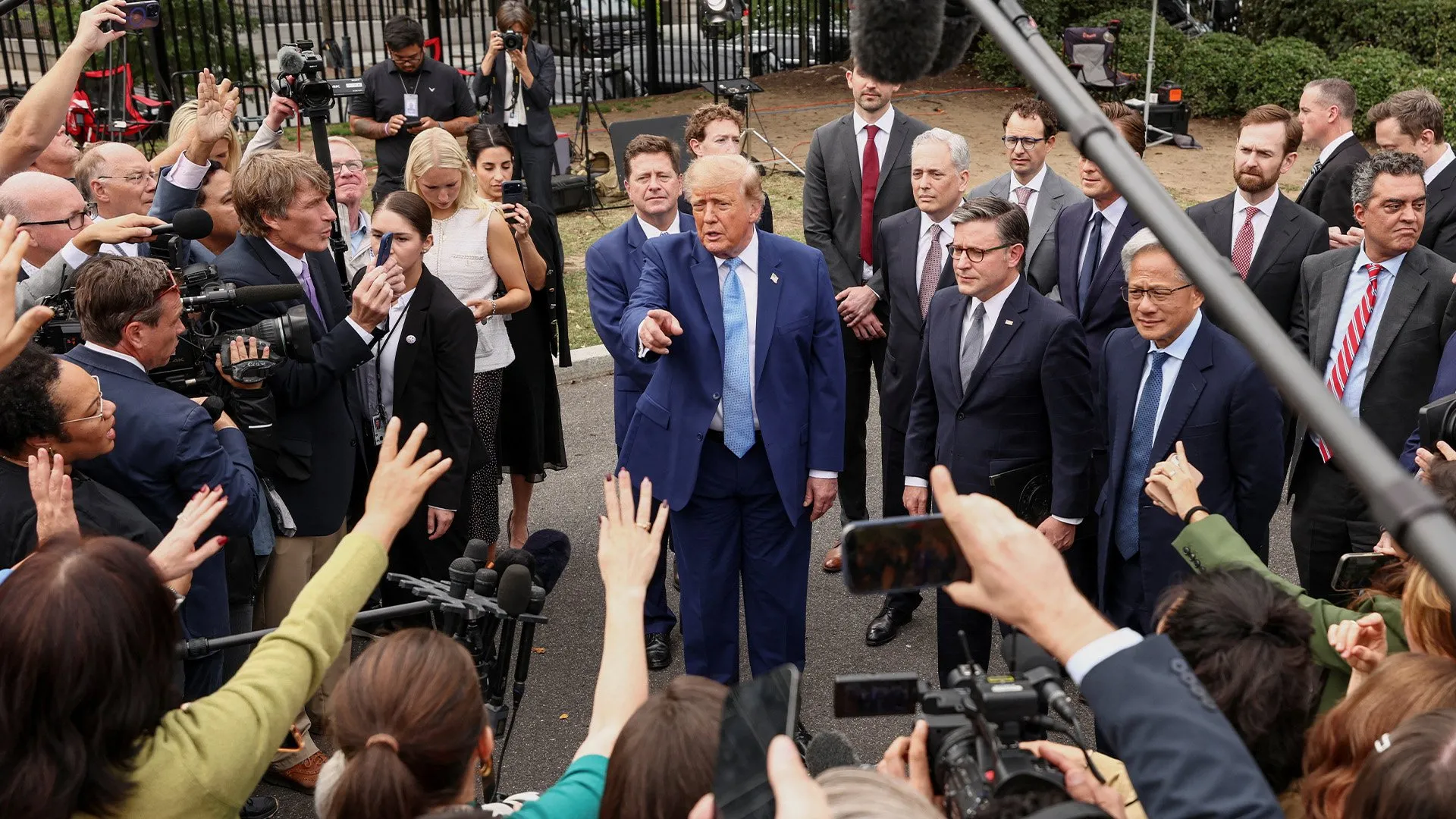
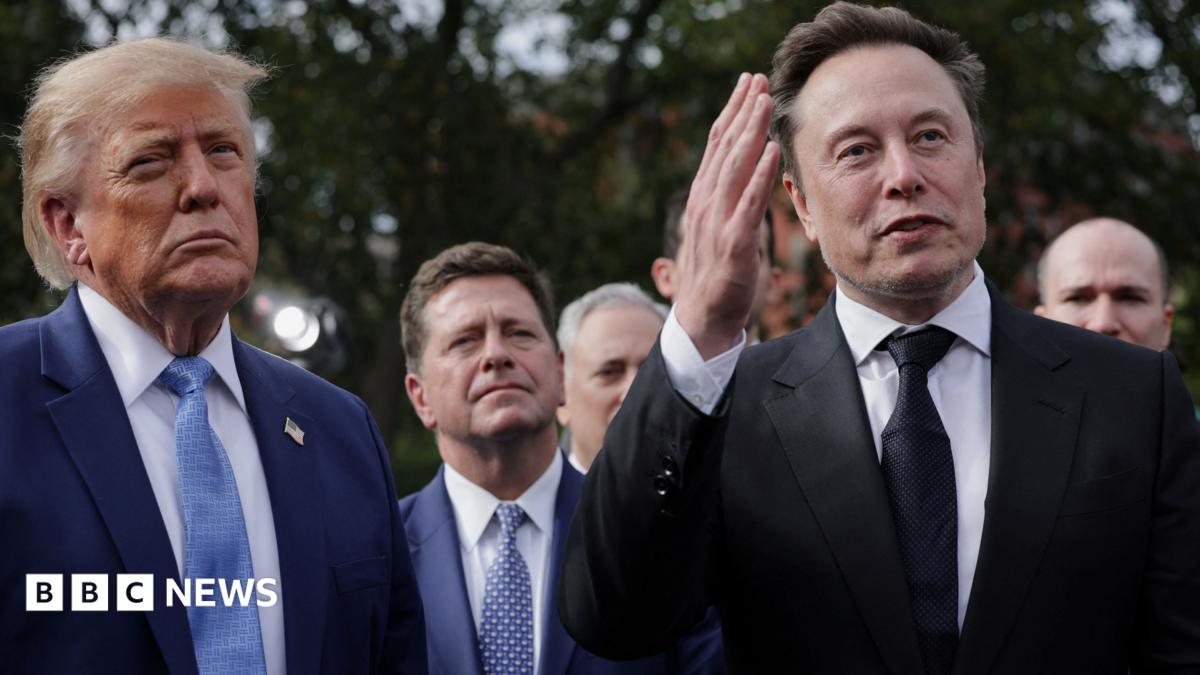
US President Donald Trump has confirmed he will review the document but has expressed significant doubt that it will result in a viable agreement. He characterised the request to delay nuclear talks as a red line, suggesting that Tehran has not yet paid a big enough price for its actions. This stance reflects a broader lack of trust between the two nations, with the President noting that the proposal does not align with the concessions required to secure a deal.
Despite the diplomatic overture, the United States has not ruled out renewed military action. President Trump stated that if further negative actions occur, there is a possibility that hostilities could resume. This warning coincides with statements from the Islamic Revolutionary Guard Corps (IRGC), which announced it is on standby for a return to war. The juxtaposition of a peace offer and heightened military readiness underscores the volatility of the current situation.
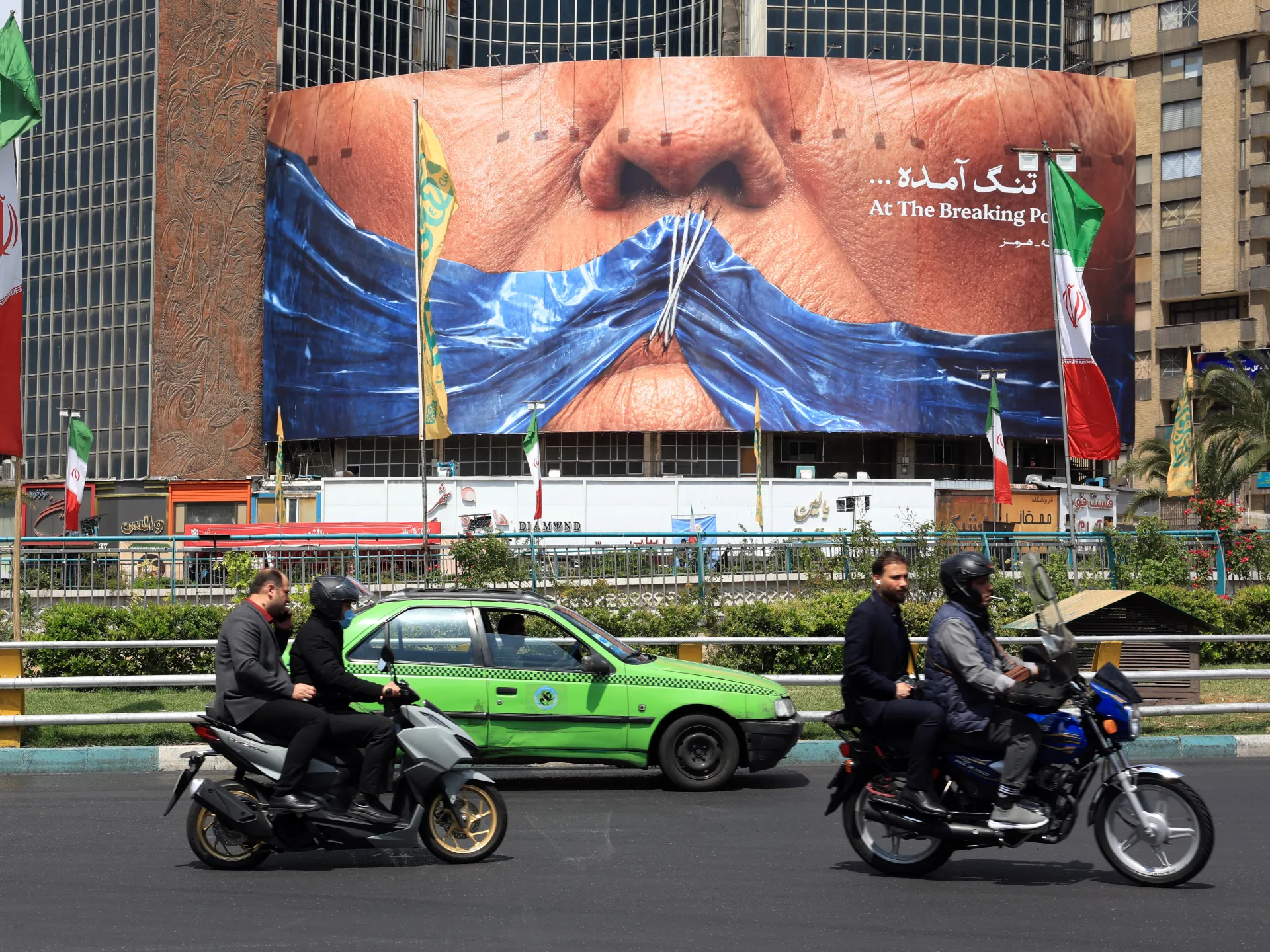
The path to resuming maritime trade remains obstructed by technical and geopolitical hurdles. Iranian sea mines in the Strait of Hormuz continue to pose significant challenges to the safe passage of vessels, complicating any immediate resumption of normal maritime activity. Furthermore, tensions are exacerbated by controversial remarks from the White House regarding the nature of the naval blockade.
Tehran has condemned the US President's description of the blockade as a "very profitable business," with the Iranian Ministry of Foreign Affairs labelling the remark a damning admission of piracy. This diplomatic friction highlights the deep mistrust that persists between the two capitals, making the acceptance of the new proposal contingent on resolving these fundamental disagreements over terminology and strategic objectives.
As the conflict enters its second month, the viability of the new plan remains uncertain. The combination of US scepticism regarding nuclear concessions, the threat of renewed hostilities, and unresolved technical obstacles suggests that a swift resolution is unlikely. Both sides appear prepared for further escalation, casting a long shadow over the prospect of a negotiated settlement.