Tehran seeks exit from US conflict as Washington pivots to economic pressure
Iranian President Masoud Pezeshkian has declared that Tehran is in a position of strength to end the months-long war with the United States, even as US Treasury Secretary Scott Bessent prepares to outline new sanctions measures.
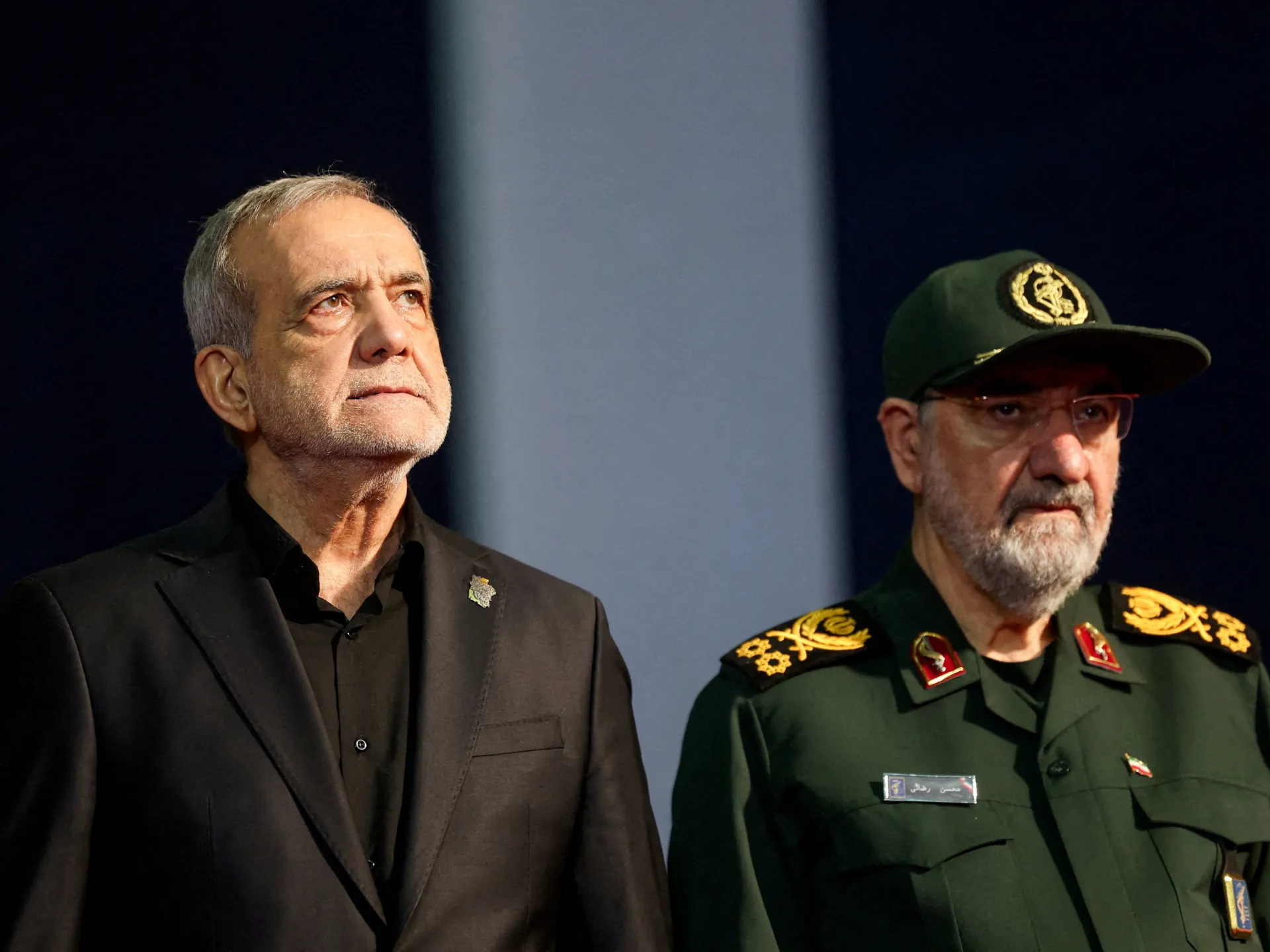
Iranian President Masoud Pezeshkian has called for an immediate end to the ongoing war with the United States, asserting that Tehran currently holds a position of power and dignity. Speaking on Friday during a meeting with doctors, Pezeshkian argued that the global community acknowledges Iran’s victory and has noted that the US violated regulations by attacking schools, hospitals, and infrastructure.
The statement arrives as diplomatic talks remain stalled and a memorandum of understanding signed in June between the two nations has recently expired. Pezeshkian defended the agreement against hardline domestic critics in parliament who accused his administration of capitulation. He maintained that no single clause in the document indicates a concession, noting that all commitments concern the US side.
Despite the diplomatic push, Iran’s military leadership has signalled a readiness for further conflict. Major-General Ali Abdollahi, chief of staff of Iran’s armed forces, warned that the country is prepared to strike back with crushing and devastating responses across land, sea, air, air defence, and cyberspace. This warning comes as Tehran keeps the Strait of Hormuz partially shut while Washington maintains a naval counterblockade.
Diplomatic efforts continue through regional channels, with Omani and Iranian foreign ministers holding a phone call on Friday to discuss conditions for resuming dialogue. The conversation also addressed developments affecting navigation in the Strait of Hormuz, a critical waterway where US media reports indicate the US Navy is protecting secret convoys of tankers to facilitate oil exports of between five and 10 million barrels a day.
In Washington, President Donald Trump expressed scepticism regarding Tehran’s willingness to negotiate, stating that while Iran would love to make a deal, it is not ready to make the right one. Trump asserted that the US has total control over the region, including the land areas surrounding the strait, and warned of economic consequences for any nation providing a lifeline to Iran.
The US administration is shifting its strategy towards economic pressure as the conflict nears its six-month mark. Treasury Secretary Scott Bessent is expected to hold a news conference on Monday to outline planned sanctions, a move he has described as a campaign to collapse the Iranian government. Iran’s Ministry of Foreign Affairs has condemned the plan as economic terrorism, while China has urged all parties to resolve the issue through political and diplomatic means.