Tehran reviews US reply to 14-point peace plan as Washington rejects core demands
The latest diplomatic exchange centres on the withdrawal of US forces and the lifting of a naval blockade, with the White House insisting the conflict has effectively ended despite ongoing hostilities
Iranian state-linked media have reported that Tehran is currently reviewing a response from the United States to its latest 14-point peace proposal. The proposal, which was delivered via Pakistan, outlines specific conditions for a resolution including the withdrawal of US forces from near Iran's borders and the end of the naval blockade on Iranian ports.
According to the Tasnim news agency, the Iranian foreign ministry spokesperson confirmed that the response received from Washington is now being examined in Tehran. The US has not yet officially confirmed that it has replied to the proposal, though the timing of the exchange suggests a rapid diplomatic cycle following the delivery of Iran's terms.
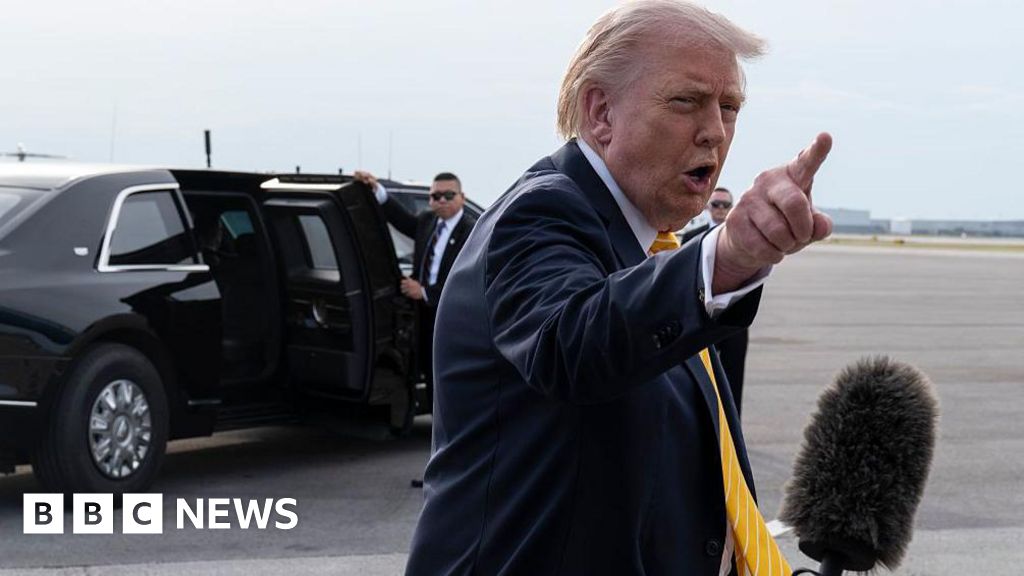
US President Donald Trump has stated he cannot imagine the plan would be acceptable, noting that military strikes against Iran remain a possibility if Tehran misbehaves. Speaking in Palm Beach, Florida, the President indicated he had only heard the concept of the deal so far and was awaiting the exact wording, which he described as necessary to determine if the terms are sufficient given the actions taken against humanity and the world over the last 47 years.
The core of the Iranian proposal demands that all hostilities cease within 30 days, including Israel's offensive in Lebanon. Iranian state media added that the plan urges the warring sides to focus on ending the war rather than merely extending a current ceasefire. This latest offer comes as a response to a previous nine-point US plan that envisaged a two-month ceasefire.
President Trump has reiterated that the US will not leave the region, arguing that the conflict has been terminated since a ceasefire took effect in April. He maintains that the ongoing naval blockade is a friendly measure and does not represent a continuation of the conflict, a stance that allows him to argue the 60-day legislative clock for war authorisation has been paused.
This position has drawn criticism from some US lawmakers regarding the cost and objectives of the war. Republican Senator Josh Hawley has called for redeploying forces and argued that Congressional approval is needed to continue the war, while Senator Lisa Murkowski expressed doubt about the operation's success and warned against leaving Iran's critical capabilities intact if the US steps back abruptly.