Tehran residents grapple with hyperinflation and military uncertainty as US-Iran tensions escalate
As Israeli strikes hit Iranian cities and Washington accuses Tehran of downing a helicopter in the Strait of Hormuz, locals report that potential interim agreements offer little relief from soaring living costs and throttled internet access.
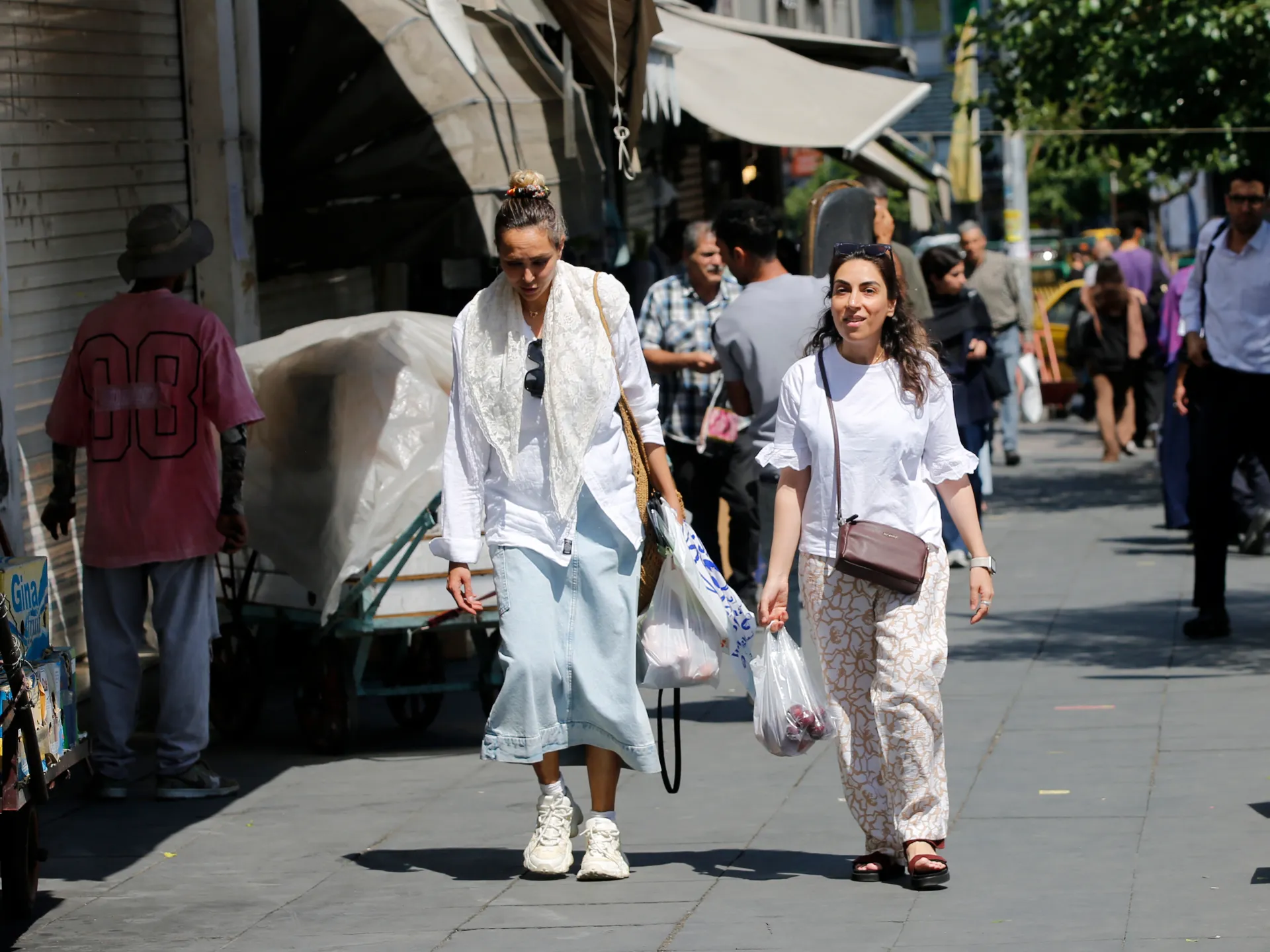
Months into a conflict with the United States and following renewed military exchanges with Israel, residents in Tehran are navigating a landscape defined by severe economic deterioration and daily uncertainty. War damage, a US-imposed blockade, and chronic inflation have drastically increased the cost of living, with the Statistical Center of Iran reporting that year-on-year inflation exceeded 83 per cent by late May. Food inflation reached 130 per cent during the same period, with staples such as cooking oil and eggs costing more than four times their price from the previous year.
The economic strain is palpable on the ground, where business owners are forced to adjust to rapid price fluctuations. A cafe owner in central Tehran reported paying 2.5 times more for a kilogramme of coffee compared to three weeks ago, and 20 times more than less than four years ago. The instability has led to the removal of items from menus due to unpredictable pricing and reduced consumer demand, with vendors noting that selling prices frequently fall behind the cost of their next purchases.
Military tensions remain high, with Israeli forces striking targets in Tehran, Tabriz, and Isfahan, as well as a petrochemical complex in Bandar-e Mahshahr. These attacks followed Iranian missile launches from Kermanshah and other locations aimed at Israel, which were retaliatory for an earlier strike on Dahiyeh in Beirut. The Islamic Revolutionary Guard Corps has also targeted locations in Iraqi Kurdistan, while Israeli leaders have indicated that these operations are paving the way for future strikes.
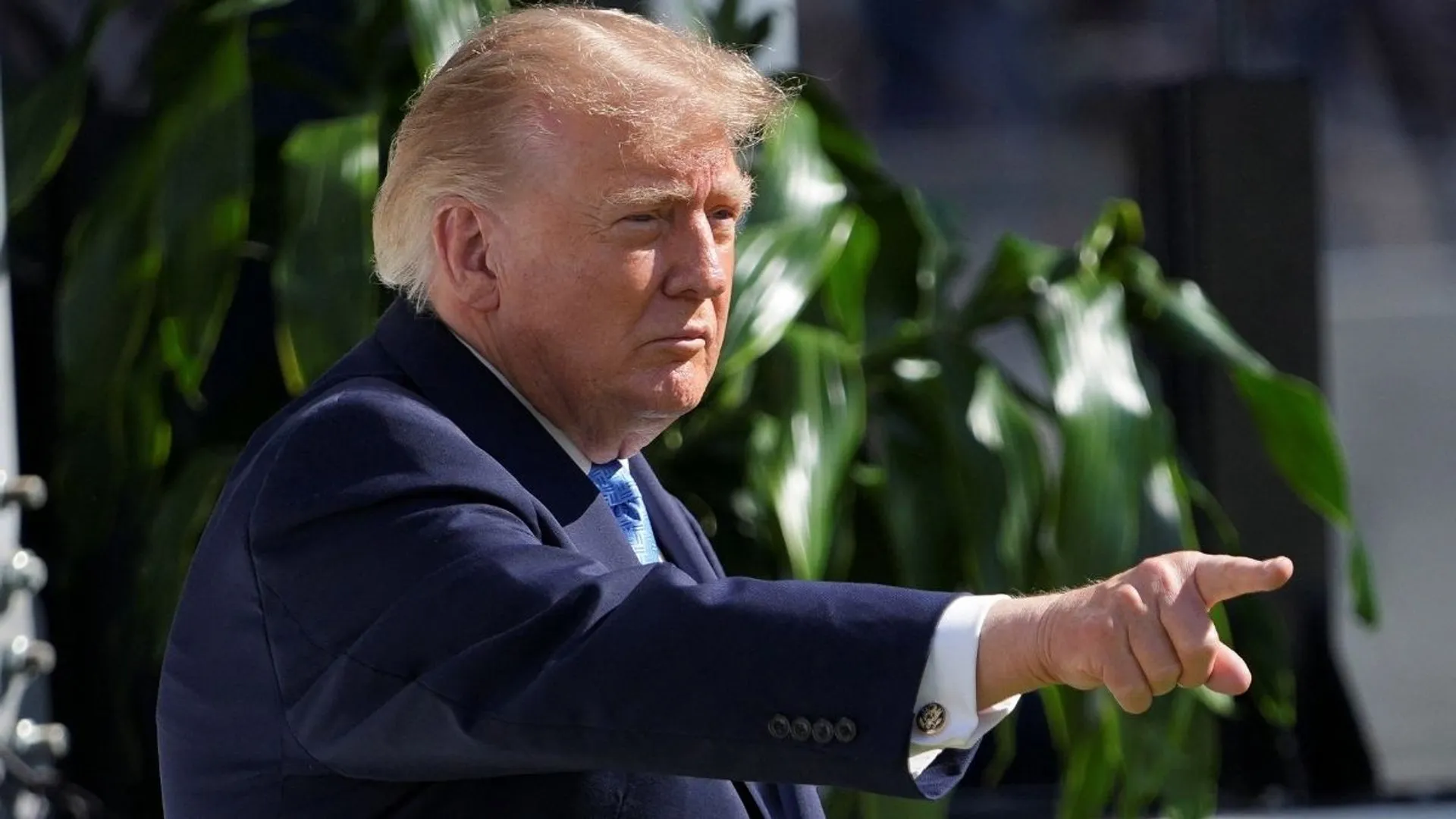
Diplomatic signals from the United States have added to the complexity of the situation. US President Donald Trump accused Iran of shooting down a US military helicopter over the Strait of Hormuz late on Tuesday, stating that Washington must respond to the alleged attack. While Trump’s rhetoric has suggested that an interim agreement might be within reach, locals in Tehran express deep scepticism regarding the likelihood of long-term stability or a genuine resolution between the two nations.
Connectivity remains a significant concern for residents, with internet access heavily throttled following a partial restoration in late May after a three-month near-total shutdown. A young man in western Tehran prepared for potential further restrictions by purchasing multiple 10-gigabyte VPN configurations, reflecting widespread anxiety over digital isolation. Meanwhile, pro-state demonstrators continue to gather in Tehran at night, though in smaller numbers than at the start of the conflict, while officials have criticised President Masoud Pezeshkian’s government for not maintaining a full blackout.