Tehran insists Hezbollah inclusion in any Middle East peace deal as hostilities escalate
Amidst reciprocal strikes between the United States, Iran, and Israel, Tehran has made the inclusion of Hezbollah in any potential political agreement a non-negotiable condition, warning that abandonment would undermine its influence across the Middle East.
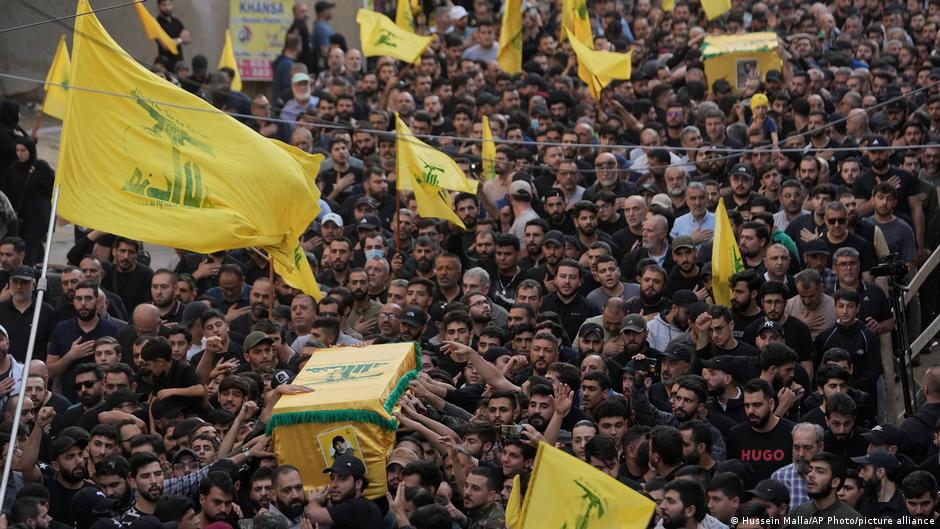
Tehran has insisted that the Lebanon-based militant group Hezbollah be included in any potential peace negotiations or political agreements with the United States and Israel. This demand comes amidst escalating hostilities, including reciprocal strikes between the US and Iran, and continued fighting between Israel and Hezbollah. The conflict has disrupted US President Donald Trump’s efforts to negotiate a ceasefire deal with Tehran.
On Monday (June 8), the US blamed Iran for the crash of an attack helicopter off Oman and carried out strikes on Iranian sites, with strikes continuing into Tuesday. Iran responded with attacks on US sites in Bahrain and Kuwait. The Israeli army struck targets in the suburbs of Beirut over the weekend following new Hezbollah rocket attacks, prompting Tehran to respond with missile strikes on Israeli territory. Israel has responded with attacks on targets in Iran.
Approximately 3,600 Lebanese civilians have been killed since hostilities began more than 100 days ago, according to Lebanese health authorities. The Israeli military has occupied a strip of land in southern Lebanon, forming a "security zone" from which it claims Hezbollah launches attacks. Following the killing of Iranian Supreme Leader Ayatollah Ali Khamenei in an Israeli airstrike on Tehran on February 28, Hezbollah entered the war on Iran's side.
Middle East expert Arman Mahmoudian (University of South Florida) stated that for Tehran, it is crucial Hezbollah not become a bargaining chip, as abandoning it could undermine confidence among allied actors like the Houthis in Yemen and Shiite militias in Iraq. Iran expert Arash Azizi noted that the new Iranian leadership is striving to justify support for Hezbollah based on national security interests rather than ideological arguments, though the costs of confrontation are significant for Iran's economy.