Tanzania pivots to Moscow as Western ties fracture over election conduct
With relations with Western democracies deteriorating following the violent crackdown on post-election dissent, Dar es Salaam is deepening economic and diplomatic ties with Russia to secure investment and counterbalance international isolation.
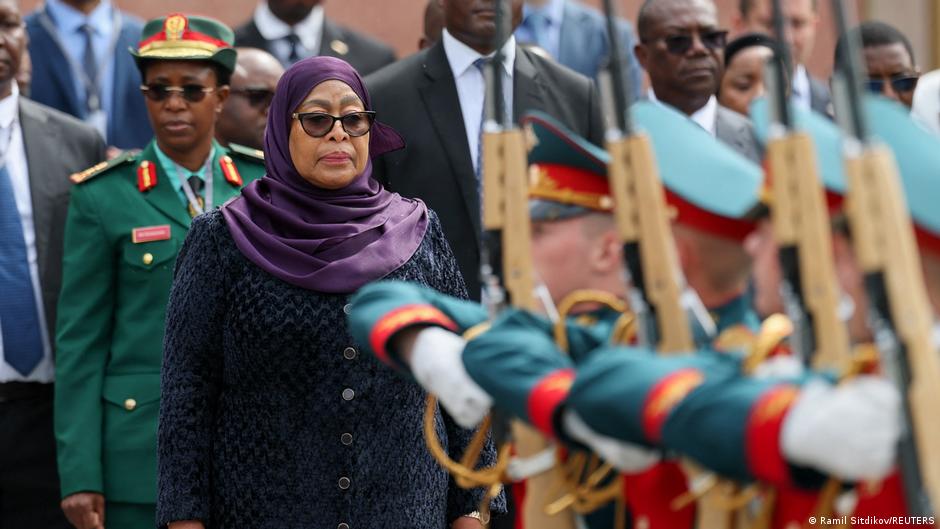
Tanzanian President Samia Suluhu Hassan has commenced a three-day state visit to Russia, marking the first time a Tanzanian leader has visited Moscow since former President Julius Nyerere’s trip in 1969. Accompanied by a business delegation, Hassan met with Russian President Vladimir Putin and is scheduled to attend the St. Petersburg International Economic Forum. The visit underscores a significant diplomatic shift, as Tanzania seeks to expand trade, tourism, and minerals deals while navigating a period of severe strain with Western nations.
The diplomatic outreach follows a disputed presidential election in October 2025, where Hassan secured 98 per cent of the vote amid widespread post-election violence. The subsequent crackdown on dissent has triggered a series of punitive measures from Western powers. The European Union reportedly froze €156 million in development funding after an EU delegation was denied entry to Tanzania. Meanwhile, the United States has moved to reassess its bilateral relationship, with US Senators Ted Cruz and Jeanne Shaheen introducing a bipartisan bill to withhold aid and hold senior officials accountable for human rights abuses.
In response to the isolation, Tanzania is accelerating economic cooperation with Moscow. The annual trade balance between the two nations currently stands at approximately $307 million, but a new Russia-Tanzania Business Council established in January aims to increase this figure. Concrete plans are underway for Air Tanzania to launch flights from Dar es Salaam to Moscow by late 2026. Hassan is also set to receive an honorary degree from the Peoples' Friendship University of Russia, recognising her diplomatic efforts to elevate Tanzania’s profile on the global stage.
Analysts suggest the visit serves a dual purpose of economic pragmatism and political signalling. Godwin Gonde, a lecturer at the Dr. Salim Ahmed Salim Centre for International Relations in Tanzania, noted that Russia’s willingness to engage without scrutinising internal affairs offers a stark contrast to Western conditionalities. He argued that the visit carries significant diplomatic weight, particularly as many Western countries have imposed sanctions on Tanzanian leaders, effectively barring them from visiting those nations.
The move aligns with Russia’s broader strategy to reestablish influence in former Cold War partner states and eclipse Western dominance in Africa. By welcoming Tanzania, Moscow sends a message that it retains a place among African nations, offering trade deals and multilateral engagement through platforms like BRICS. Paternus Niyegira, a political analyst in Dar es Salaam, described the visit as an opportunity for Hassan to reassure global investors that Tanzania remains a secure destination for capital, despite the controversy surrounding the election.
Domestically, the visit has elicited mixed reactions. The ruling Chama Cha Mapinduzi party has greeted the trip with jubilation, citing the potential for new trade and investment opportunities. Conversely, opposition figures and civil society groups have criticised Hassan for reverting to a system associated with the Cold War era, particularly given the government’s failure to publicly condemn the violence that a state report confirmed resulted in 518 deaths.
The deterioration of Tanzania’s reputation among Western democracies has been further compounded by specific allegations of rights violations. US Secretary of State Marco Rubio recently announced sanctions against senior assistant commissioner Faustine Jackson Mafwele, citing credible information regarding the detention and torture of foreign activists in Dar es Salaam. As Washington and Brussels tighten their stance, Tanzania’s deepening ties with Russia represent a calculated effort to diversify its international partnerships and mitigate the economic and political costs of its domestic policies.