Taliban marks five years in power as rights concerns deepen amid economic strain
As Kabul celebrates the fifth anniversary of the Taliban takeover, international bodies highlight severe restrictions on women, a deteriorating economy, and diplomatic isolation, with relations with Pakistan collapsing into conflict.
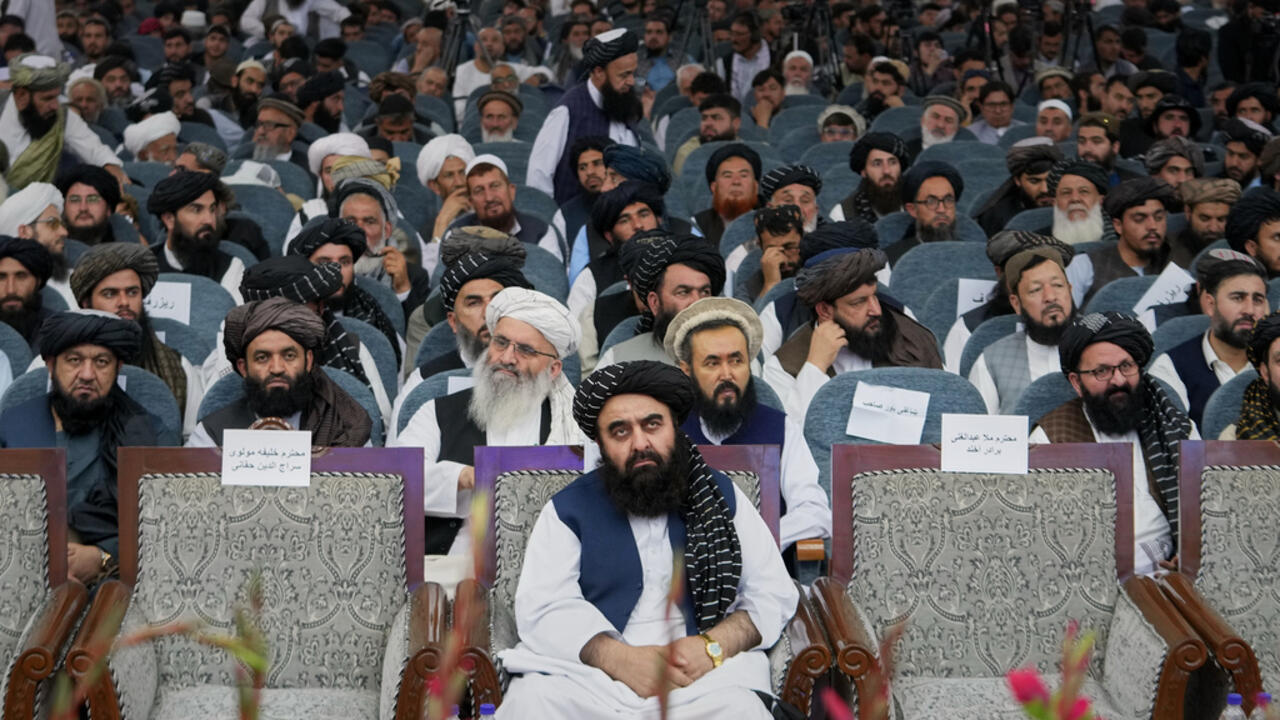
The Taliban government is marking five years since seizing Kabul, asserting that it has delivered improved security and national freedom to Afghanistan. The anniversary is being observed with public celebrations in the capital, including a cricket match and other sports events, although girls and women are banned from attending. New murals declaring independence as a sign of dignity have appeared across the city, and vehicles abandoned by foreign forces, such as Humvees, were driven in convoy through Kabul during the festivities.
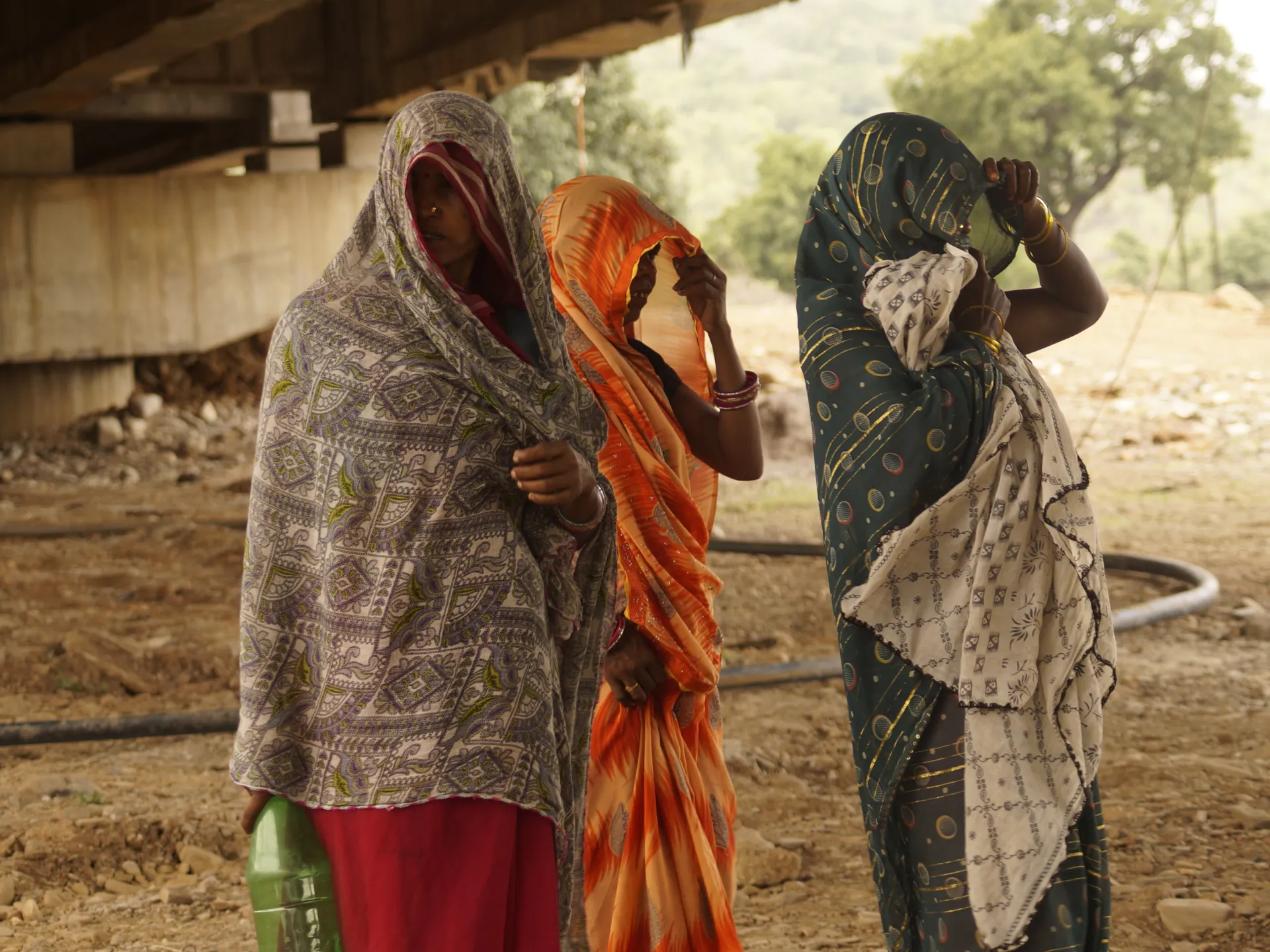
Despite the regime’s claims of stability, the United Nations reports that rights for women and girls have been systematically dismantled over the past half-decade. Bans on education beyond age 12, employment, and public participation remain in force, with UN Women describing the situation as the world’s most severe women’s rights crisis. The UN agency stated that the exclusion of women from education, employment, public life, justice systems, and healthcare has intensified, entrenching a global outlier status for the country.
The economic landscape presents a complex picture for the administration. While the World Bank estimated real growth reaching 4.8 percent, the GDP per capita has declined significantly. This contraction is partly attributed to more than six million Afghans returning from neighbouring Iran and Pakistan over the past three years. Government spokesman Zabihullah Mujahid has stated that authorities are laying the foundations of the economy and urged patience, while citizens express hope for future job opportunities and educational access.
Diplomatically, the Taliban remains largely isolated, with only Russia recognising the government. Although officials have forged ties with multiple countries, including some in Europe, international engagement is limited until changes are made regarding human rights and terrorism concerns. Relations with Pakistan have deteriorated sharply, with the two nations going to war this year, further exacerbating the humanitarian crisis and contributing to the return of refugees.
The Committee to Protect Journalists has criticised the authorities for the brutal repression of the press, noting that media workers have been surveilled, detained, beaten, censored, or driven into exile. UNAMA human rights director Fiona Frazer described the situation as a consolidation of suffocating restrictions that intrude on almost every aspect of daily life. While the UN acknowledges a reduction in conflict, it warns that lasting stability and reintegration require the lifting of restrictions on women and the protection of basic rights.