India’s River-Linking Project Faces Scrutiny Over Compensation Exclusions
As the Daudhan Dam displaces thousands, activists and legal experts allege that government interpretation of the LARR Act 2013 is bypassing statutory protections for widows and adult daughters.
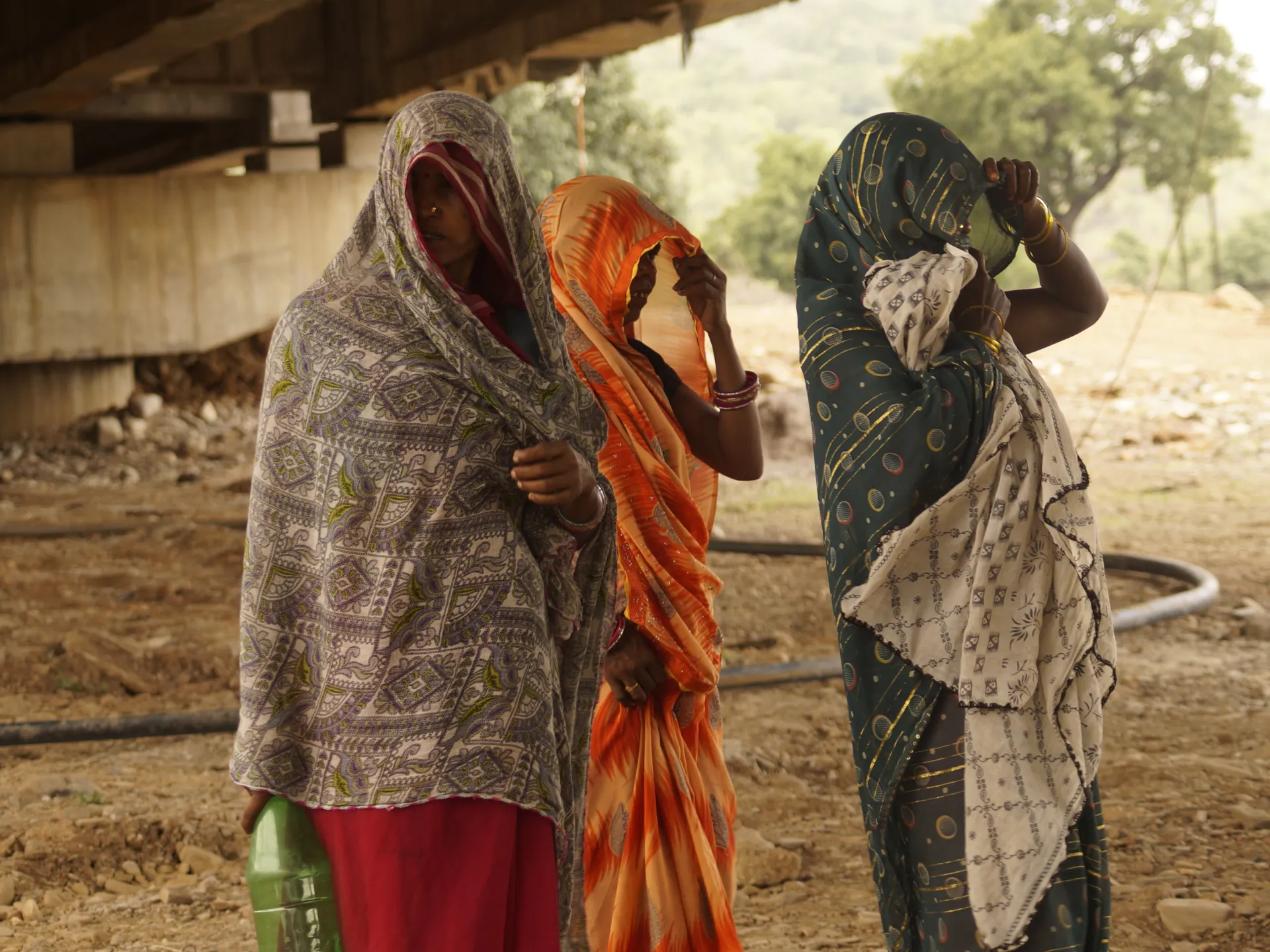
Women in Kupi village, Madhya Pradesh, have staged a symbolic protest known as the Chita Andolan, lying on unlit funeral pyres to highlight their exclusion from compensation payments linked to the Ken-Betwa river-linking project. The demonstration underscores a growing dispute over how the Daudhan Dam, the centrepiece of India’s first river-linking initiative, is implementing the Right to Fair Compensation and Transparency in Land Acquisition, Rehabilitation and Resettlement (LARR) Act 2013.
The Daudhan Dam is set to displace approximately 7,000 families from 10 settlements, including those within the ecologically sensitive Panna Tiger Reserve. Protesters argue that while the LARR Act explicitly mandates separate compensation for every adult, officials are applying a conventional definition of family. This administrative approach effectively excludes widows, adult daughters, and women without land titles from direct financial benefits, despite their status as independent legal entities under the legislation.
Gyan Rani Gond, a member of the Gond Indigenous community, reported that while male heads of her household received rehabilitation payments, she, her adult daughter, and her widowed daughter-in-law received nothing. The family contends that the compensation provided is insufficient to rebuild their lives, particularly as one of their two homes has already been demolished. Similar accounts have emerged from Pathapur village, where 21-year-old widow Pooja Gond stated she has received no compensation and was told by local officials that adding her name to the list would require a bribe.
Government officials have contested these allegations. In July 2026, Madhya Pradesh Revenue Minister Karan Singh Verma told the state Legislative Assembly that all eligible families in the affected districts had received their compensation and rehabilitation benefits. However, the Prime Minister’s Office has requested a detailed report from the state government following reports that some funds were deposited into the accounts of agents rather than the intended beneficiaries.
Legal experts suggest the issue stems from an inconsistent application of the law rather than a legislative gap. Professor Bina Agarwal of the University of Manchester noted that while Section 3(m) of the LARR Act defines family conventionally, its explanation treats every adult as a separate family. She argued that officials are ignoring this explanation, thereby denying women their statutory rights. With construction continuing and no formal resettlement completed, the case sets a critical precedent for India’s broader National Perspective Plan, which includes 30 planned river interlinking projects.