Taliban government expands diplomatic reach five years after seizing power
While Russia remains the sole nation to officially recognise the regime, countries including Britain, China, and EU members are engaging on security, trade, and migration, even as the International Criminal Court issues arrest warrants for top leaders.
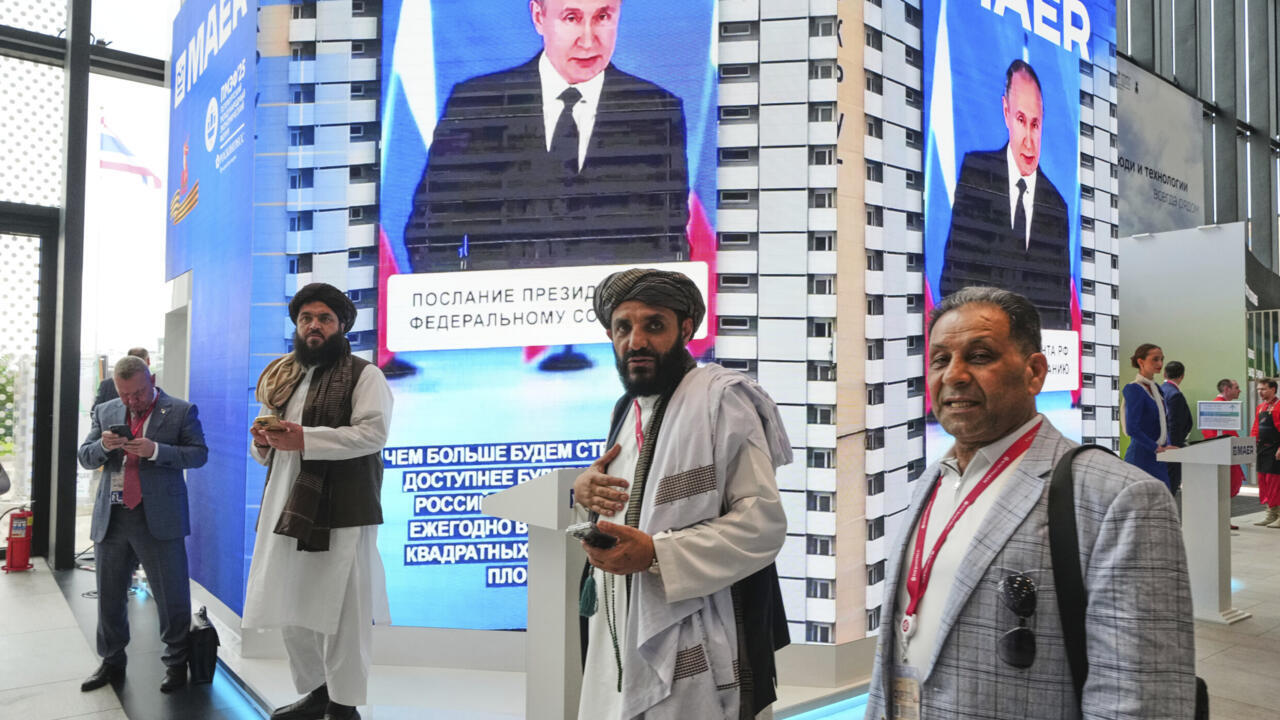
Five years after seizing power in Afghanistan, the Taliban government has significantly expanded its diplomatic and economic relationships with countries worldwide, including regional neighbours and Western nations. This expansion occurs despite a widespread refusal by the international community to formally recognise the regime due to persistent human rights concerns. While Russia remains the only country to officially recognise the Taliban, states such as Britain, China, and EU members are engaging pragmatically on issues including security, trade, and migration.
The Taliban’s diplomatic strategy has involved hosting envoys from China, Japan, Turkey, Saudi Arabia, and Britain, frequently publishing photographs of these meetings to signal legitimacy. Regional importance is paramount, with officials from Tajikistan, Turkmenistan, Kyrgyzstan, Uzbekistan, and Kazakhstan gathering in Kabul to discuss trade routes through Afghanistan to access the sea. Erica Gaston, part of a UN Security Council-mandated team, noted that regional nations are more pragmatic, viewing engagement with the Taliban as an inevitable reality.
Economically, the government has expanded the mining sector, attracting firms from China and elsewhere by touting untapped natural resources. However, foreign investment remains scarce as investors remain wary of the regime's limited official recognition. Rumours that Iran would follow Russia in recognising the government have not materialised, and the country continues to face challenges from international aid cuts and a fragile economy.
On the security and legal front, the International Criminal Court issued arrest warrants last year for Supreme Leader Hibatullah Akhundzada and chief justice Abdul Hakim Haqqani for crimes against humanity over the persecution of women and girls. Despite these warrants and significant restrictions on women's rights and education, no policy shift is expected from the authorities. Afghan women remain banned from UN premises, a rule still in force despite visits by heads of two UN agencies last month.
Pragmatic engagement continues in other areas, with a Taliban delegation travelling to Brussels in June for talks with 15 EU nations regarding the return of failed asylum-seekers. Germany deported an Afghan national not convicted of any crime in July, the first such deportation since the Taliban's 2021 return to power. Meanwhile, India secured a sanctions waiver last year allowing Foreign Minister Amir Khan Muttaqi to travel there, with its UN envoy suggesting a rethink of UN sanctions targeting Taliban members. Multiple nations, including China, Qatar, and Saudi Arabia, have also been engaged in mediation following border clashes between Afghanistan and Pakistan.