Taiwan vice-president makes rare European visit for democracy conference
Hsiao Bi-khim is attending an Italian democracy forum with Foreign Minister Lin Chia-lung, in a visit disclosed only after her arrival.
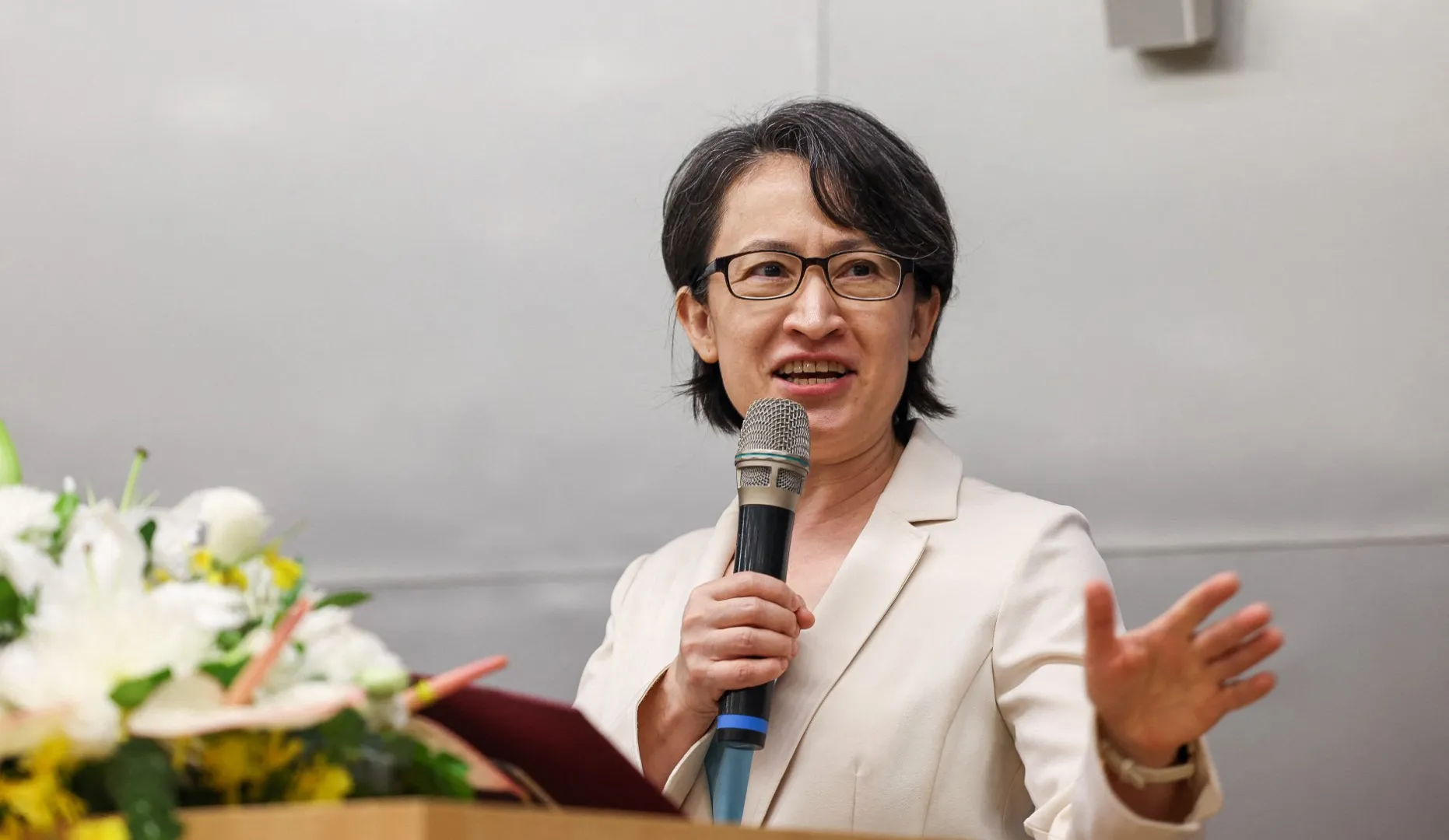
Taiwanese Vice-President Hsiao Bi-khim is attending the Ventotene Conference for Freedom and Democracy in Italy alongside Foreign Minister Lin Chia-lung, in a rare visit by a Taiwanese vice-president to Europe.
Taiwan’s presidential office said Hsiao had been invited to the conference and that further details would be released after she and Lin return to Taiwan. The forum is being held on Italy’s Ventotene island from Thursday to Saturday this week.
Pina Picierno, vice-president of the European Parliament, said Hsiao’s participation had been kept secret until her arrival to protect her involvement in the conference. Picierno said European hosts should be free to determine which voices are heard in democratic debate.
Visits by Taiwanese foreign ministers to Europe occur occasionally, but vice-presidential travel is less common because of the risk of a possible backlash from Beijing against the host country. Taiwan has no formal diplomatic ties with Italy, as is the case with most countries.
China regards Taiwan as one of its provinces, while Taiwan rejects that position. Hsiao also spoke at an Inter-Parliamentary Alliance on China summit at the European Parliament in Brussels last November. Ukraine’s Centre for Civil Liberties president and 2022 Nobel Peace Prize laureate Oleksandra Matviichuk is also expected to attend the Ventotene conference.