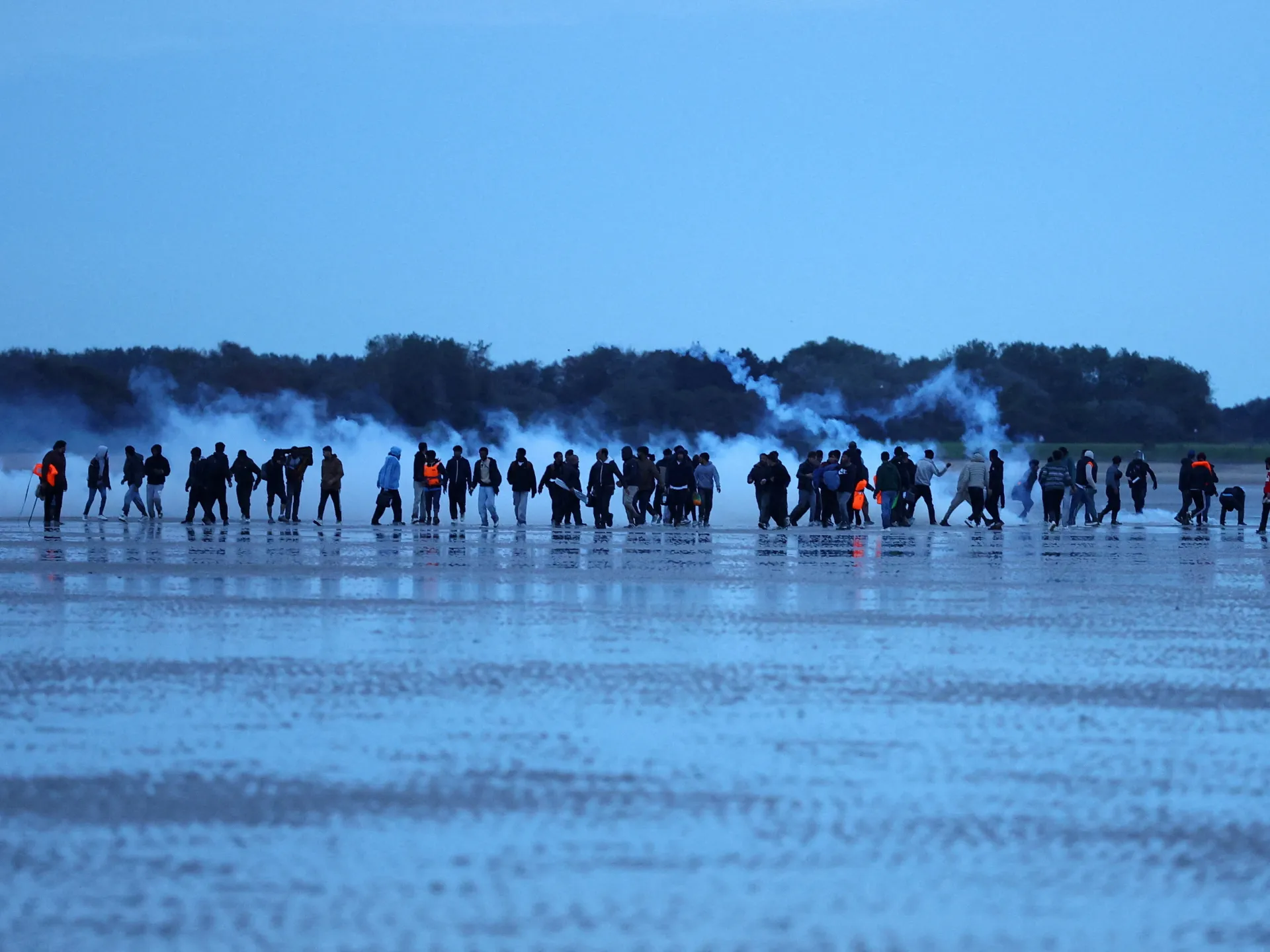
Systematic destruction of southern Lebanon continues as buffer zone operations persist post-ceasefire
Despite the April 16 truce, the Israeli army maintains its push to clear 55 to 70 villages, leaving residents facing destroyed bridges and demolished homes
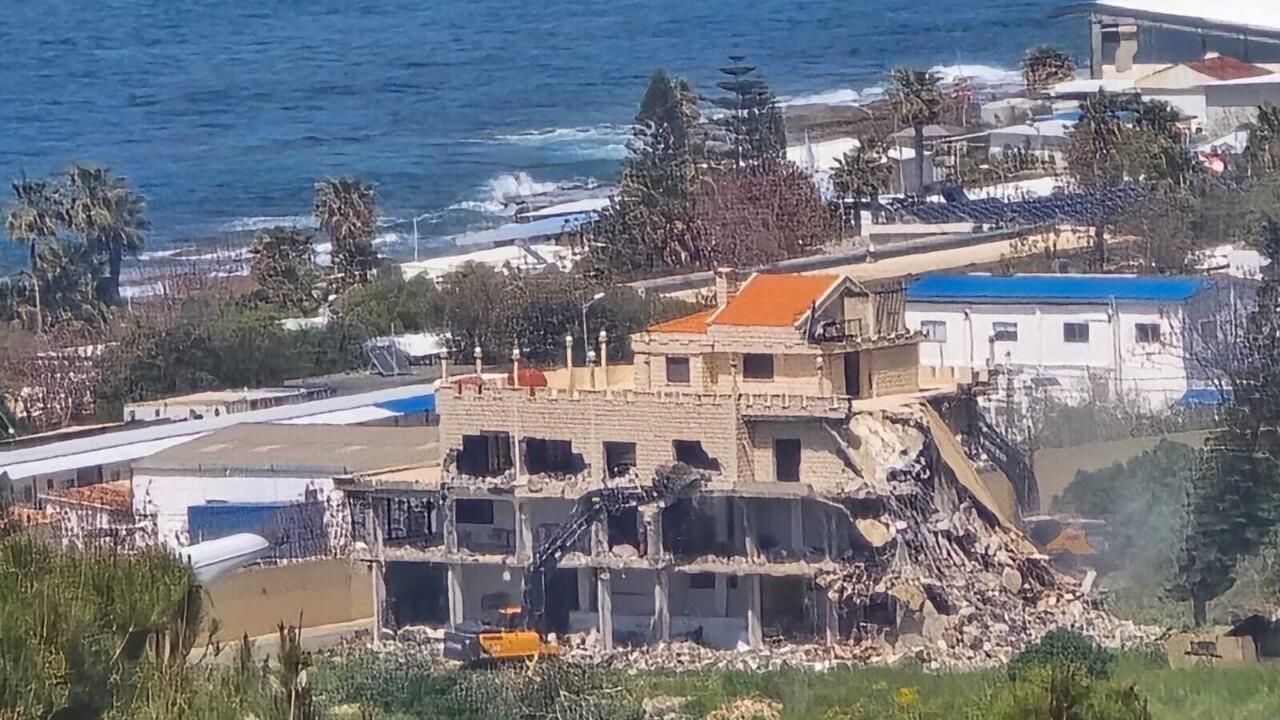
Ground operations conducted by the Israeli army in southern Lebanon have continued to dismantle housing and infrastructure well after a ceasefire was announced on 16 April 2026. While the military maintains that these actions are necessary to establish a security buffer zone and prevent Hezbollah fighters from re-establishing positions near the border, observers report a systematic dismantling of civilian life in towns such as Naqoura, Bint Jbeil, and Ainata.
The scale of the clearing operation reportedly encompasses between 55 and 70 villages, many of which remain partially inhabited despite the cessation of hostilities. Specific incidents documented by observers include the demolition of a home in Naqoura on 13 April, which belonged to Bernard Farhat, and further explosions in residential buildings near UNIFIL headquarters. These events occur in areas far from active combat zones, contradicting the stated objective of targeting only militant infrastructure.
Civilian return has been severely impeded by the destruction of critical infrastructure. Four main bridges across the Litani River, including the Qasmiyeh bridge, have been destroyed, hindering access to villages that residents wish to re-enter. Farmers and locals attempting to return from areas like Shaqra and Majdal Selm have been forced to turn back after Israeli drones threatened them with open fire, despite official assurances that roads were secure.
The physical landscape of the region is being fundamentally altered, with reports of bulldozers destroying homes, roads, and even trees up to two kilometres from inhabited areas. This destruction has left villages empty and devoid of normal services, with electricity available for only a few hours a day. The absence of Lebanese flags and the presence of Hezbollah and Iranian symbols in some areas have further contributed to the perception that the region is being emptied to resemble the Gaza model.
Lebanese sociologist Ahmed Baydoun has highlighted the systematic nature of the destruction, noting that entire villages are being razed regardless of their demographic composition. He pointed out that in some villages with majority Christian populations, residents have remained, raising concerns about a de facto integration strategy similar to what occurred with Syria's Golan Heights.
With the Israeli army announcing the creation of a "Yellow Line" security zone on 19 April, the situation remains volatile. The gap between the military's claim of targeting Hezbollah infrastructure and the observed destruction of civilian properties continues to widen, leaving the status of the southern border in a state of prolonged uncertainty.