Syria's Interim Government Moves to Address Governance Criticisms with First Major Cabinet Reshuffle
State media reports the changes follow months of domestic unrest driven by economic hardship and accusations of nepotism within the transitional administration.
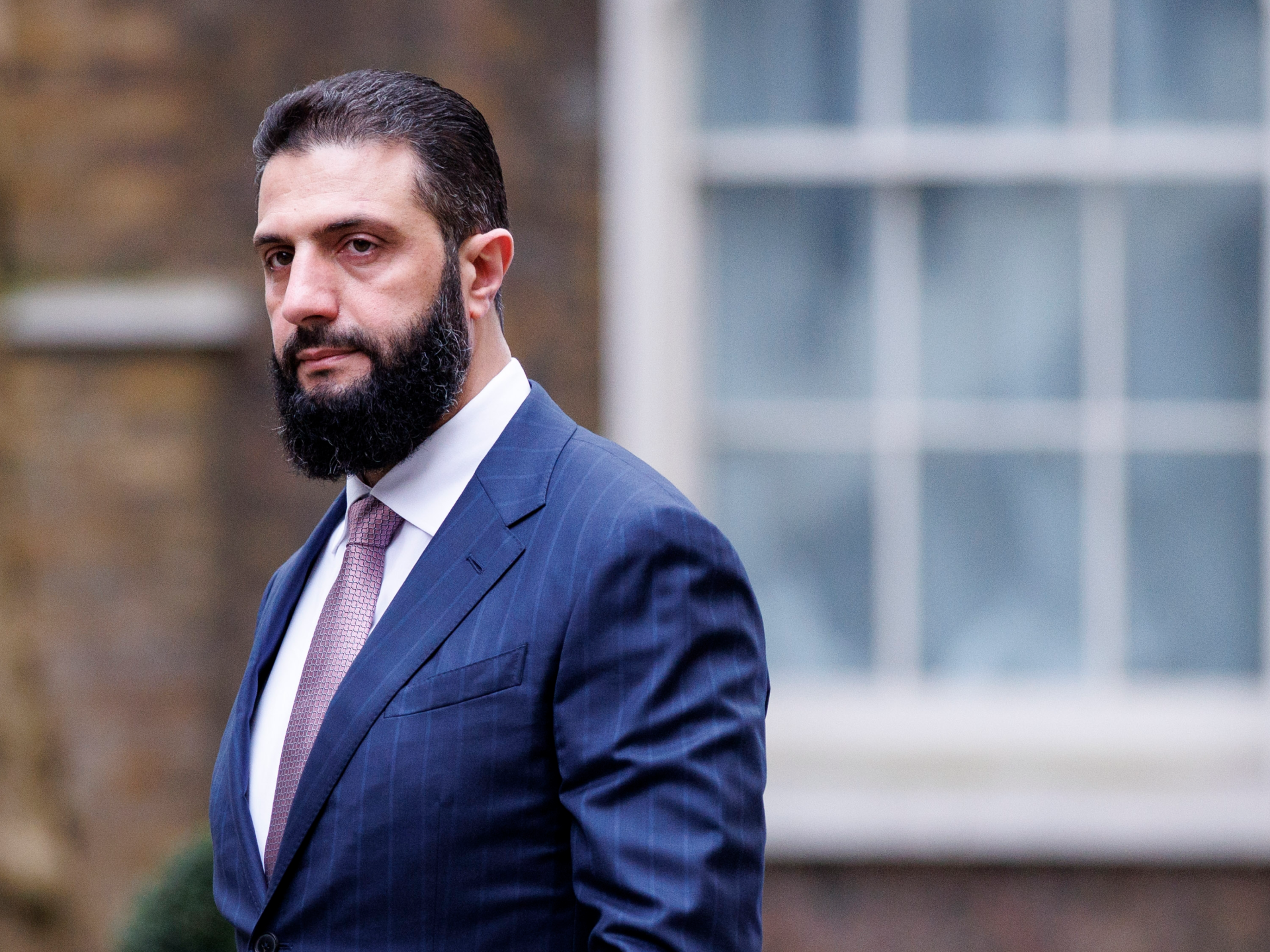
Interim Syrian President Ahmed al-Sharaa has announced the first significant government reshuffle since the ouster of Bashar al-Assad, a move occurring roughly eighteen months into the five-year transitional period. The restructuring, reported by the state news agency SANA, marks a distinct departure from the initial appointments made in March of the previous year, which faced widespread criticism for prioritising personal connections over administrative competence.
The most prominent change involves the removal of Maher al-Sharaa, the interim president's brother, from his role as head of the presidential office. He has been succeeded by Abdul Rahman Badreddine al-Aama, the former governor of Homs. This adjustment directly addresses longstanding accusations of nepotism that have plagued the interim administration, particularly regarding the concentration of ministerial positions among the president's close associates.
Further modifications to the cabinet include the appointment of Khaled Zaarour as the new information minister, replacing Hamza Mustafa who has been transferred to the Ministry of Foreign Affairs. Additionally, Bassel Sweidan has been named agriculture minister. Sweidan previously led a committee tasked with negotiating settlements with business tycoons linked to the former Assad-era elite, a role that underscores the administration's attempt to engage with Syria's economic power structures.
Regional leadership has also seen changes, with governors in the provinces of Homs, Quneitra, and Deir Az Zor being replaced. The latter province is of particular strategic importance due to its location as the site of most of Syria's oilfields. While no official justification was provided for these specific alterations, the timing coincides with a surge in domestic protests driven by worsening economic conditions and public dissatisfaction with perceived poor governance.
Parallel to these administrative changes, the transitional justice process has gained momentum. Trials for officials from the Assad era have officially commenced in Damascus, a development that follows months of delays and criticism regarding the handling of crimes committed during the fourteen-year civil war. The conflict is estimated to have resulted in the deaths of half a million people.
The current proceedings have opened for Atef Najib, the former head of political security in Deraa province, who is accused of overseeing a violent crackdown on protesters during the 2011 uprising. Najib, a cousin of Bashar al-Assad, appeared as the sole defendant in the preparatory session, while former president Bashar al-Assad and his brother Maher are charged in absentia with crimes including killings, torture, extortion, and drug trafficking.