Syria and Russia agree to end military use of Mediterranean bases
The agreement, announced by Syria’s Foreign Ministry, converts remaining Russian military facilities into joint training centres, marking a significant shift in relations following the ouster of Bashar Assad.
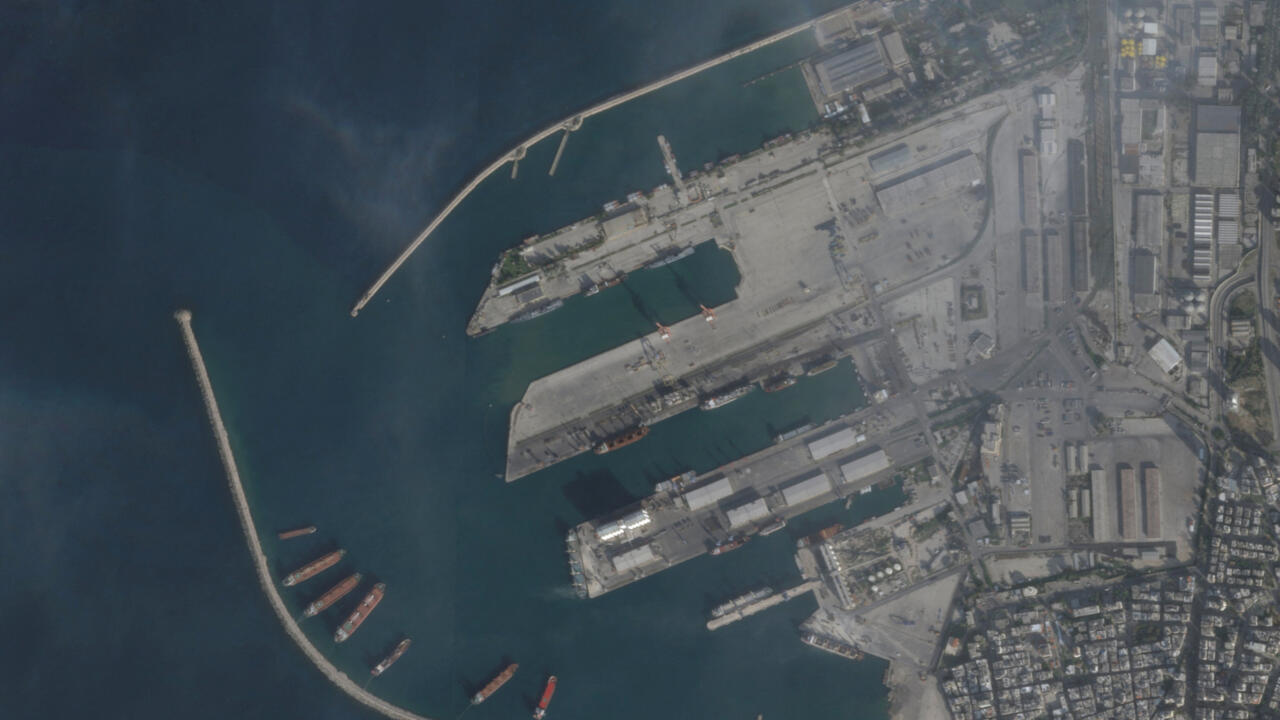
Syria and Russia have agreed to end Moscow’s use of the Hmeimem air base and Tartus port as military outposts, according to a statement issued by Syria’s Foreign Ministry on Sunday. Under the terms of the deal, Damascus will assume full control of the air base and the commercial berth at Tartus port, placing these strategic assets under civil administration.
The remaining military facilities at both sites will be converted into joint training and qualification centres. The Foreign Ministry described the arrangement as a reorganisation of the Russian presence along Syria’s coast, noting that it represents the most significant development since negotiations began approximately 18 months ago.
The agreement marks a substantial shift in Syrian-Russian relations following the ouster of former President Bashar Assad in 2024. Russia served as Assad’s primary political and military ally between 2011 and 2024 during the conflict against an Islamist-led armed opposition, in which current interim President Ahmad al-Sharaa was a prominent militant leader. Throughout the conflict, the Hmeimem air base near Latakia and the Tartus naval base served as key Russian outposts in the eastern Mediterranean.
Moscow did not interfere during the lightning insurgency that led to Assad’s overthrow, although it provided asylum to the former president and his family. Following the regime change, Russian troops remaining in Syria gradually withdrew from the country. As of the report’s publication, Moscow had not issued an official statement regarding the new agreement.
Syria’s new leadership has sought to maintain strong bilateral ties with Moscow, with Al-Sharaa visiting President Vladimir Putin in Moscow twice since taking power. The status of the Mediterranean bases has been a key point of discussion during these diplomatic engagements.
Since Assad’s ouster, Syria has actively bolstered its ties with the United States, Europe, and neighbouring Arab countries that had previously cut diplomatic relations with Damascus. Washington has lifted most of its crippling sanctions on the country, and French President Emmanuel Macron visited Syria in July, announcing the appointment of ambassadors for the first time in 14 years.