Swedish election puts Sweden Democrats’ entry into government on the line
A deadlocked contest between the centre-left opposition and Prime Minister Ulf Kristersson’s right-wing alliance leaves Sweden’s next government uncertain.
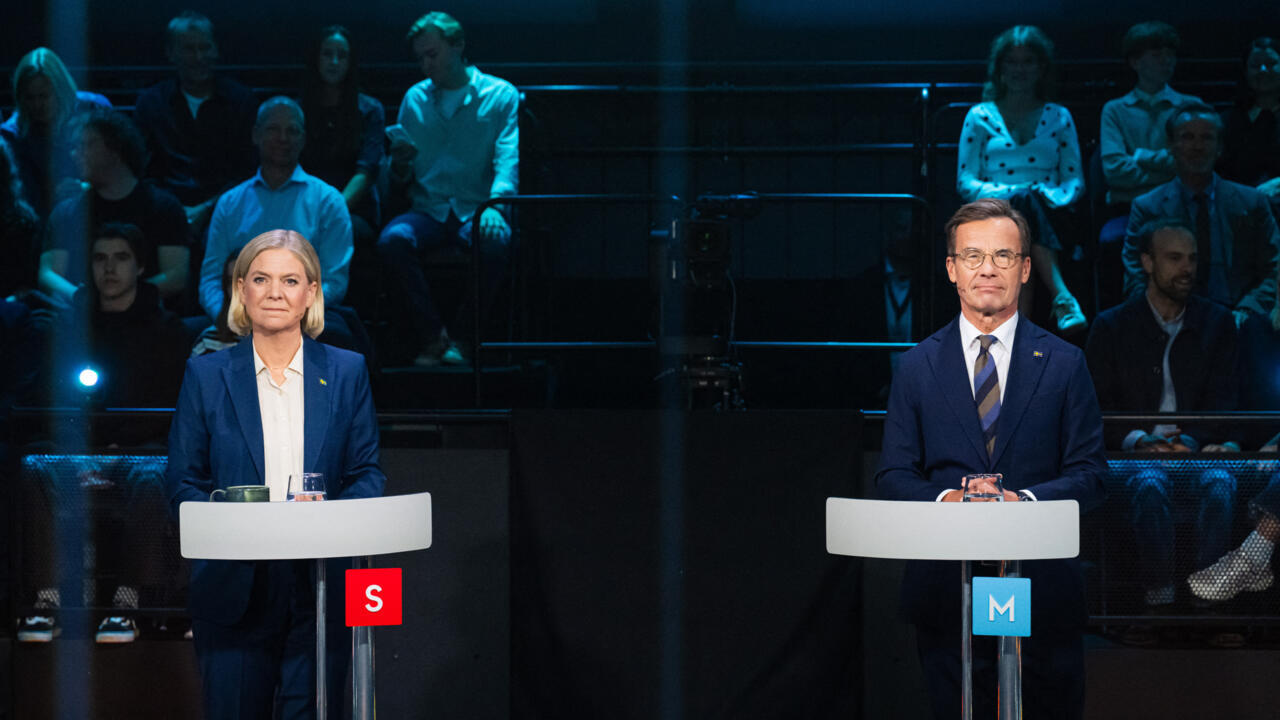
Polling stations opened across Sweden on 13 September in a closely contested general election that could return the centre-left opposition to power or bring the Sweden Democrats into government for the first time.
The four-party alliance led by Prime Minister Ulf Kristersson includes the Sweden Democrats, described by France 24 as a far-right party. A reported polling lead for the centre-left bloc narrowed to a dead heat in the final days of campaigning.
The Sweden Democrats have supported Kristersson’s minority coalition since 2022, receiving influence over immigration and crime policy in return for parliamentary backing. Party leader Jimmie Akesson is seeking a formal role in government, while Kristersson has promised key cabinet posts if the right-wing bloc wins.
The election campaign has centred partly on organised crime and immigration. Sweden has experienced more than a decade of shootings and bombings linked to organised crime networks; France 24 reported that violence had declined significantly and asylum applications were at a record low.
Magdalena Andersson, leader of the centre-left Social Democrats and prime minister from 2021 to 2022, has pledged to strengthen the welfare state and support households facing rising costs. A left-wing victory could still lead to difficult negotiations because the four parties are ideologically divided.
About eight million people were eligible to vote, with around half having voted in advance. Polls were due to close at 8pm local time, followed by exit polls and reliable results several hours later. The final result and coalition arrangements were unresolved at publication.