Supreme Leader Mojtaba Khamenei Absent From Public Life Amid Safety Concerns
Speculation mounts regarding the Supreme Leader's condition following the strike that killed his father, as international observers note a stark lack of official visibility
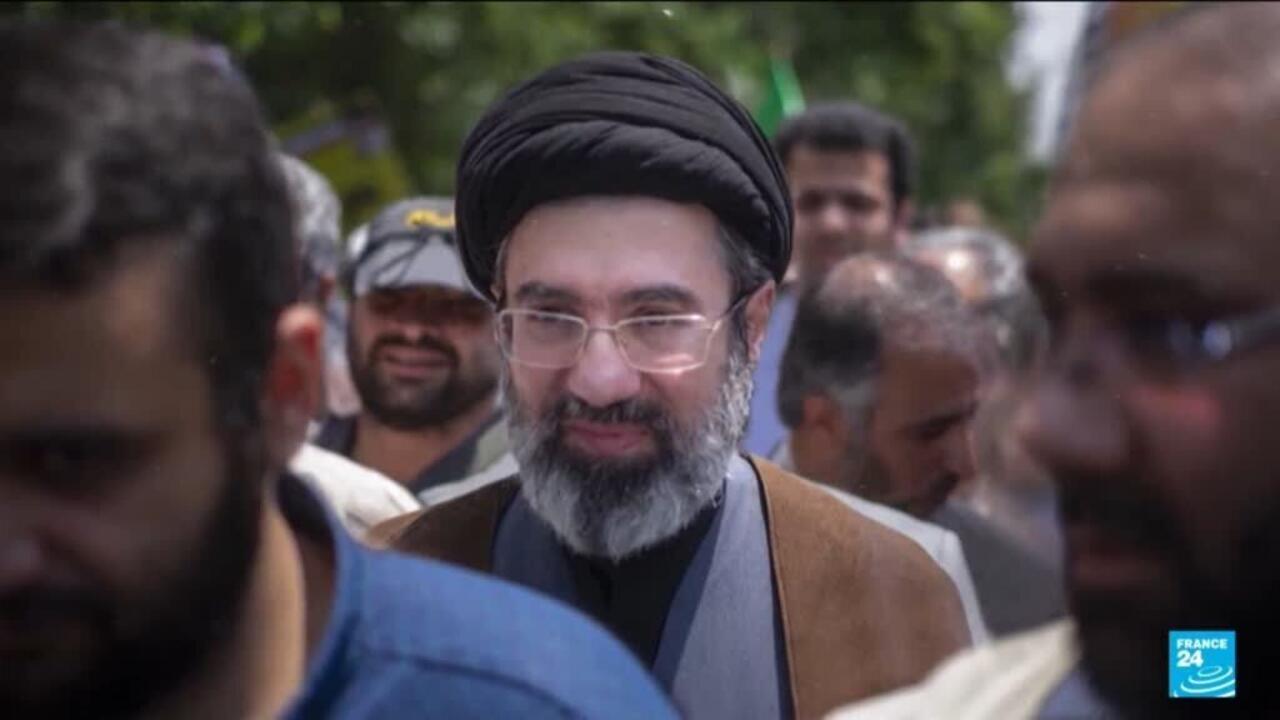
Mojtaba Khamenei has remained entirely absent from public view since assuming the role of Supreme Leader of Iran, a situation that has intensified speculation regarding his physical condition and personal safety. This silence follows the assassination of his father, Ali Khamenei, in an Israeli airstrike approximately two months ago, which precipitated the succession. While official Iranian channels have issued no confirmation regarding the nature or severity of any injuries sustained by the new leader, the prolonged absence has fuelled widespread conjecture that he may have suffered serious wounds during the attack.
According to a report by the New York Times, the Supreme Leader is currently living in hiding due to acute fears for his life. This decision to remain out of the spotlight marks a significant departure from the traditional visibility expected of the office, leaving the nation without a clear public face for its highest authority. The lack of direct communication from Tehran has created a vacuum of information, forcing international observers to rely on inference rather than verified facts when assessing the stability of Iran's leadership structure.
In the absence of public appearances, the New York Times indicates that Khamenei is conducting critical decision-making processes via handwritten notes. This method of governance suggests a deliberate isolation from the public sphere, potentially driven by security protocols designed to protect him from further targeting. The reliance on such private channels underscores the severity of the perceived threats, yet it also raises questions regarding the transparency and continuity of state policy during this period of uncertainty.
The geopolitical context surrounding this leadership crisis is further complicated by heightened tensions in the Persian Gulf. Maritime standoffs between the United States and Iran, alongside diplomatic impasses preventing direct talks, have created a volatile environment where the welfare of regional leaders is of paramount concern. International observers and maritime operators are particularly alarmed by the disparity in information regarding detained personnel and the broader security situation, noting that the lack of clarity from Tehran exacerbates risks for commercial and diplomatic operations in the region.
While the New York Times report provides the primary account of the Supreme Leader's seclusion, these claims remain unverified by official Iranian sources. The specific duration and conditions of his "hiding" status are not officially clarified, leaving the international community to navigate the implications of a leadership that operates in the shadows. Until official channels provide corroboration, the narrative of a Supreme Leader incapacitated by injury or forced into concealment remains a matter of serious speculation rather than confirmed fact.