Supreme Court permits temporary use of voter verification database
The order lets Homeland Security use the SAVE system while a legal challenge proceeds, but states are not required to adopt it.
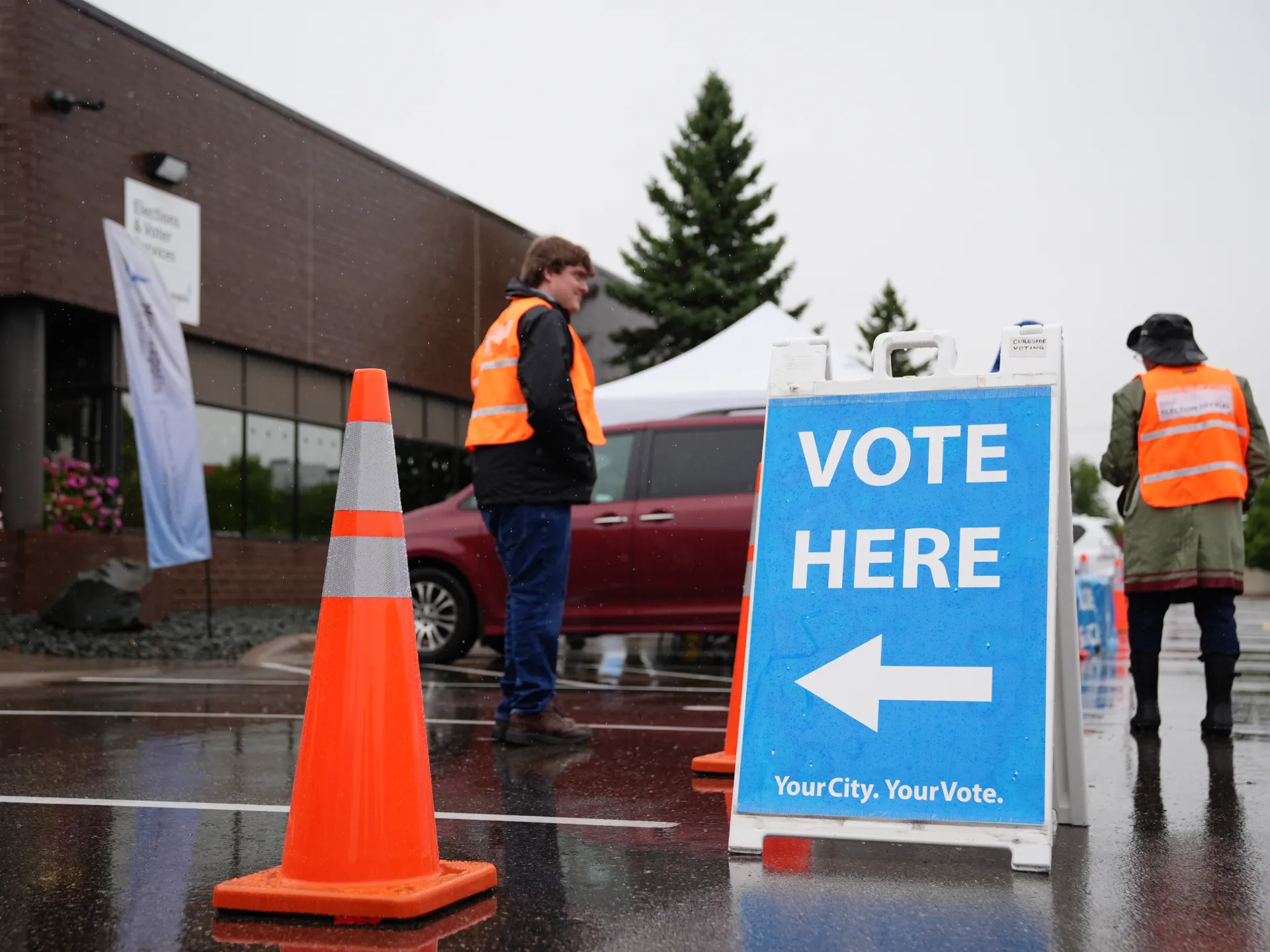
The US Supreme Court has temporarily allowed the Department of Homeland Security to use the SAVE database to check voter eligibility as a legal challenge continues. The emergency order does not settle the case; the court has yet to issue a final ruling.
States oversee election administration and are not required to use SAVE. Several Republican-led states have opted to use the database voluntarily.
Voting rights groups and challengers say citizenship records may be out of date, risking citizens being wrongly flagged as non-citizens and removed from voter rolls. A Travis County election official cited in the case found that up to 25 per cent of people identified as non-citizens there were US citizens. That local finding does not establish a national error rate, which is not publicly known.
The order’s effect on the November midterms is unclear. Existing law bars most states from systematically purging voter rolls within 90 days of an election.