Supreme Court orders transfer of ex-PM Imran Khan to private hospital amid legal challenge
The order to move the imprisoned former prime minister to Shifa International Hospital has reignited debates over political negotiations, though officials and analysts remain divided on the implications for Pakistan’s governance landscape.
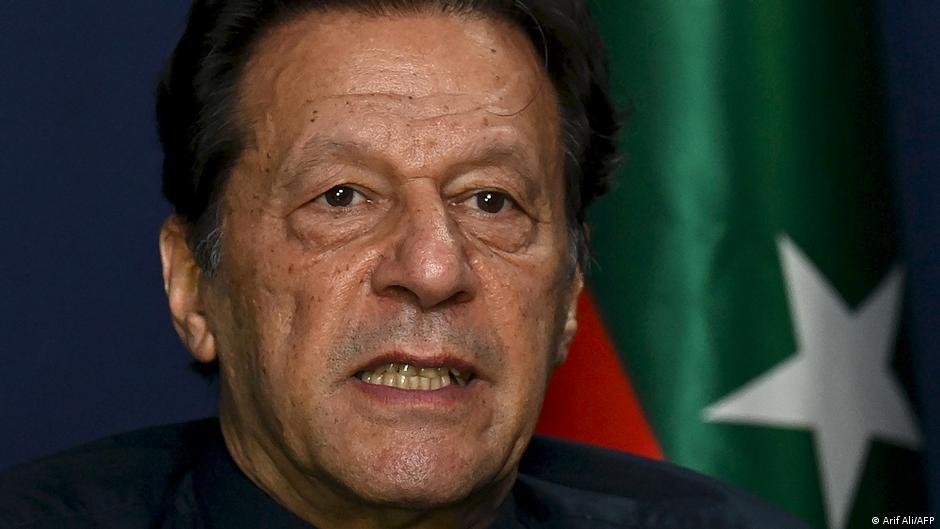
Pakistan’s Supreme Court has directed the transfer of former Prime Minister Imran Khan from Adiala jail in Rawalpindi to Shifa International Hospital in Islamabad for medical treatment. The directive follows persistent concerns raised by Khan’s family and political supporters regarding the 73-year-old’s deteriorating health while incarcerated. Khan, who has been held since August 2023, is serving a 14-year sentence on corruption charges that he maintains are politically motivated.
The court has constituted a medical board to oversee Khan’s treatment, comprising his sister, Dr Uzma Khan, and his personal physician, Dr Faisal Sultan. The Pakistan Tehreek-e-Insaf (PTI) party has alleged that Khan has suffered from poor eyesight, blood pressure fluctuations, and anxiety linked to restricted family contact, claiming he has not received appropriate specialist care within the prison system.
Khan’s adviser, Sayed Zulfi Bukhari, firmly rejected speculation that the transfer resulted from behind-the-scenes political negotiations. Bukhari stated that the move was solely a result of the Supreme Court’s decision and welcomed the order, denying any existing deal between Khan and the government. He attributed the transfer to the lack of adequate medical care and the isolation Khan has faced in custody.
However, the federal government has announced plans to challenge the court’s order. Law Minister Azam Nazeer Tarar argued that the directive is unlawful, asserting that current legislation mandates convicted prisoners be treated in public hospitals or within jail premises. Tarar requested that Khan’s medical tests be conducted at a government facility, maintaining that Khan remains a prisoner without bail or suspended convictions, and that the hospital ward would effectively function as a sub-jail.
Legal experts and analysts suggest the transfer introduces new complexities to the political landscape. US-based analyst Raza Rumi noted that while the move addresses medical transparency, deep mistrust between the PTI and the state remains a significant obstacle to any broader political settlement. Meanwhile, analyst Qamar Cheema dismissed the likelihood of a government deal, predicting that Khan’s political future remains constrained by his incarceration, regardless of the party’s electoral performance.