Supreme Court clears path for Trump’s mail-in ballot restrictions ahead of midterms
The High Court paused a federal injunction blocking the executive order in 23 states, citing a lack of standing rather than ruling on the order’s legality.
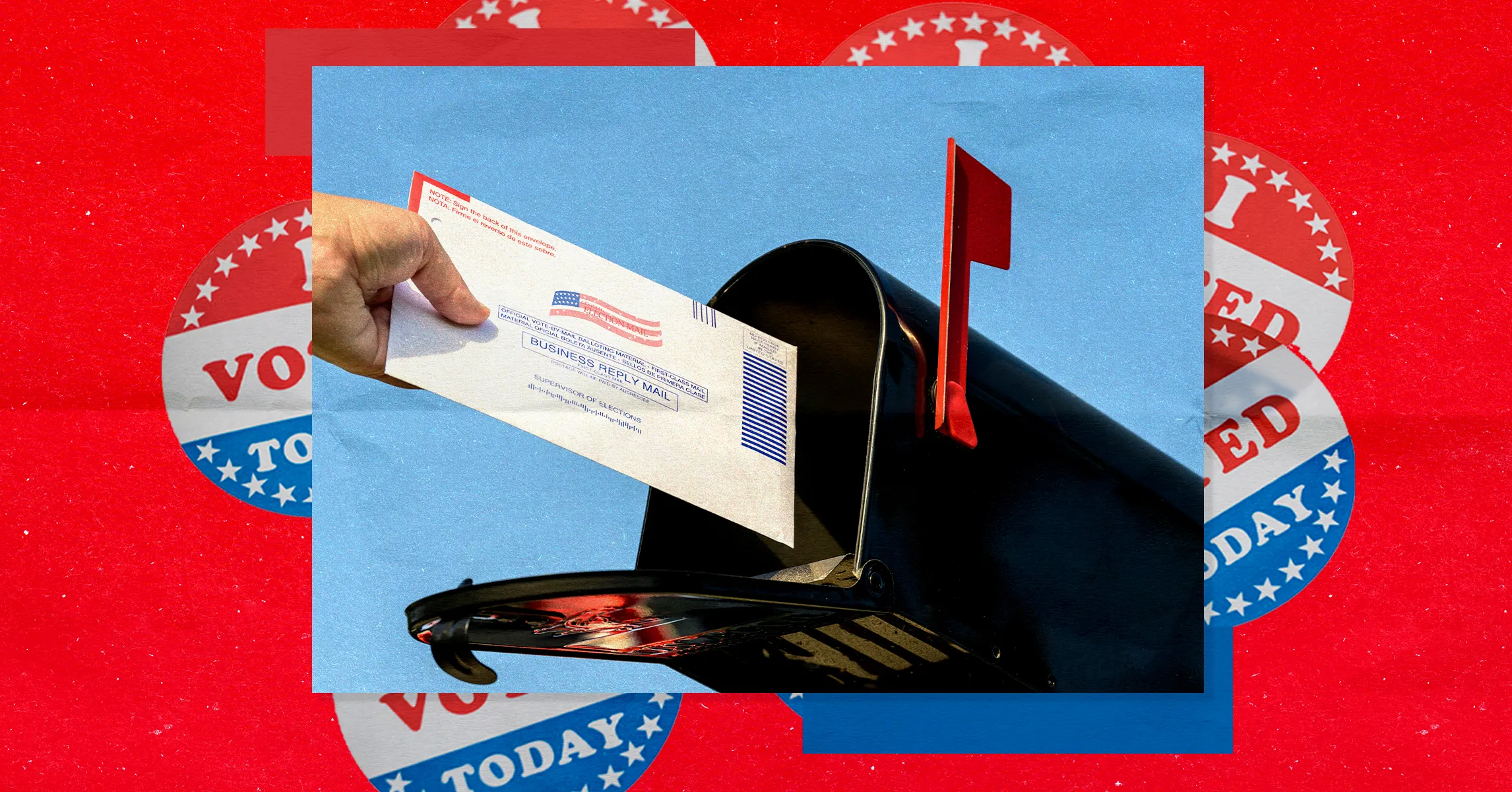
The US Supreme Court has removed a significant legal barrier to President Donald Trump’s executive order imposing restrictions on mail-in voting, a move that election experts warn could inject chaos into the upcoming November midterms. The Court ruled on Monday that the order can proceed in 23 states and the District of Columbia, pausing a federal injunction issued by a judge in Boston. The decision split along ideological lines, with the conservative majority finding that the states bringing the lawsuit lacked standing because they could not demonstrate actual damage caused by the order, rather than adjudicating the inherent legality of the executive action.
The ruling allows the administration to implement key provisions of the order, titled “Ensuring Citizenship Verification and Integrity in Federal Elections,” which was signed in March. These provisions require the Department of Homeland Security to compile a “State Citizenship List” using data from the Social Security Administration and other federal records. This list is due to be sent to states by Friday, September 4, just 11 days after the Supreme Court’s decision. The order also directs the US Postal Service (USPS) to enforce new rules for absentee ballots, including the requirement for trackable barcodes on millions of new ballot envelopes.
Despite the High Court’s move, a separate nationwide injunction preventing the USPS from fully implementing the order remains in place. The majority opinion noted that the disposition of the application does not mean any measure taken by the government to implement the order will necessarily be lawful, stating, “On that score, time will tell.” Justice Ketanji Brown Jackson, in a dissenting opinion, warned that the ruling could create a “Kafkaesque nightmare” by needlessly injecting uncertainty into the election process.
The practical implications of the ruling are already causing concern among election officials. Stuart Holmes, director of elections in Washington state, noted that there is simply not enough time to implement the proposed requirements for the 2026 general election. County election offices have already printed ballot packet materials, and the cost and logistics of destroying and reprinting them are considered unrealistic. Additionally, the USPS issued a 95-page final rule last week detailing how it plans to enforce the changes, a process that requires new envelope designs to be reviewed and approved for compatibility with automation equipment.
The executive order is predicated on allegations of widespread mail-in voter fraud, a claim that critics argue is not supported by substantial evidence. A database maintained by the Heritage Foundation, which tracks supposed fraud incidents dating back to 1980, contains fewer than 100 proven examples of noncitizen voting. Nevertheless, the order seeks to impose federal oversight on elections that are constitutionally controlled by states, potentially disenfranchising millions of voters who rely on mail ballots.
Almost one-third of US voters cast their ballots by mail, including around one in four Republican voters. In eight states, more than 70 percent of ballots were cast by mail during the 2024 elections. Voting rights organisations have expressed significant confusion over the shifting rules, with plaintiffs in a second lawsuit against the executive order stating that nonpartisan groups are scrambling to educate eligible voters while fielding inquiries from those who are confused and fearful about how they will exercise their right to vote.