Sudan’s Tawila camp faces shelter shortfall as population doubles
New tent allocations from Türkiye are insufficient for the 665,000 displaced in North Darfur, prompting warnings of famine and disease.
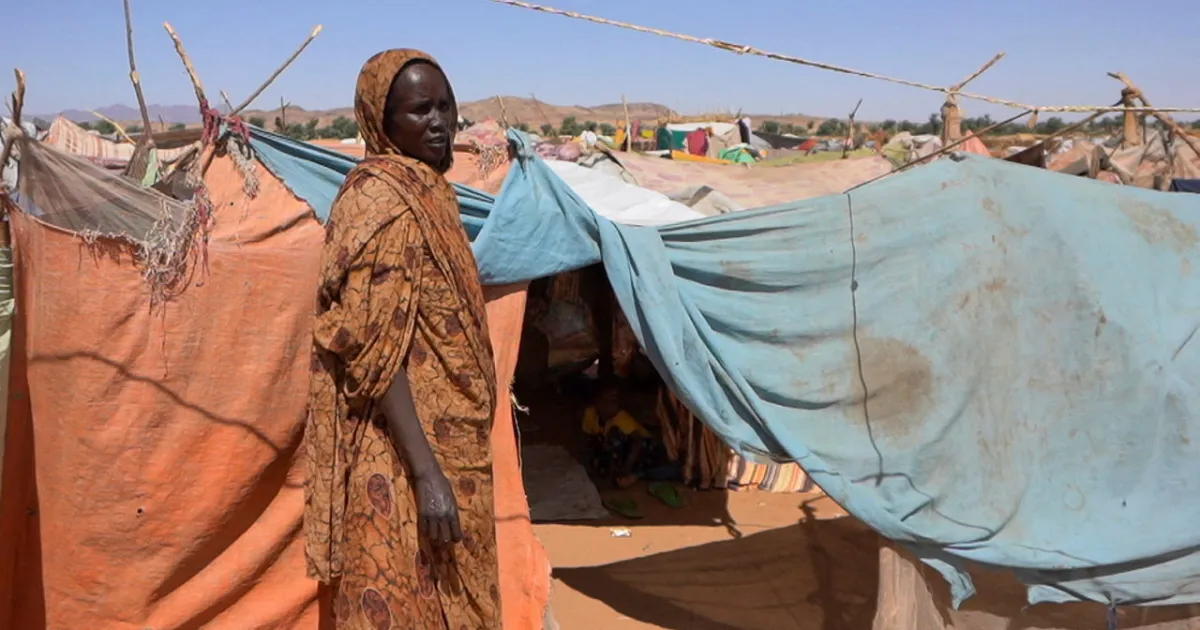
The displacement crisis in Tawila, North Darfur, has reached a critical juncture where institutional capacity is struggling to keep pace with demographic shifts. According to the International Organization for Migration (IOM), the camp population has more than doubled between March and September 2025, rising from 238,000 to over 652,000, with current estimates exceeding 665,000. This rapid influx has outstripped the available infrastructure, leaving a significant portion of the displaced population without adequate shelter.
In response to appeals from the Darfur regional government, Türkiye allocated 30,000 tents for distribution across Darfur and Kordofan through the IOM. However, only 3,000 of the 6,000 tents expected for the Daba Naira camp in Tawila have been erected. An additional 2,450 tents were delivered to the Salam, al-Wihda, and al-Nakheel camps in the Shaeria locality. While these figures represent a tangible increase in resources, officials describe them as negligible relative to the scale of the displacement.
The onset of the rainy season has exacerbated the structural deficiencies within the camp. Low-lying ground has turned into swamps, increasing the risk of waterborne diseases such as cholera. The IOM reports that more than 70 percent of households in Tawila lack access to healthcare, while half of families have been unable to obtain treatment. Children under five and pregnant women are identified as the most vulnerable groups, facing rising rates of malnutrition and infectious disease.
Abdelbagi Mohamed Hamid, the minister of social welfare and humanitarian affairs coordinator in the Darfur region, warned that shelter alone is insufficient to address the broader crisis. He noted that the Malha locality has the greatest need for assistance, followed by Tina, Karnoy, and Um Baru. Hamid called for the opening of the Tina border crossing to facilitate aid delivery to these isolated areas, which suffer from acute shortages of food, medicine, and fuel.
The agricultural sector in the region has also deteriorated, with the Minister of Agriculture, Al-Sadiq Barango, describing the situation as showing “ominous signs of a looming catastrophe.” He attributed the decline to the war driving farmers from their land and the destruction of cultivated areas by armed groups. Barango warned that the resulting famine could prove deadlier than the conflict itself, particularly as seasonal rains decline and pastures dry.
Humanitarian access remains a significant logistical challenge. The paramilitary Rapid Support Forces (RSF), which controls vital routes in the area, has established checkpoints that hinder the movement of aid convoys. Local activists report that aid trucks are sometimes subjected to looting and extortion, increasing the cost of relief and delaying its arrival. These institutional and security barriers continue to limit the effectiveness of international assistance efforts in Tawila.