Sudan’s shifting battlefield dynamics set terms for next political phase
As the Sudanese Armed Forces secure key routes in North Kordofan and defections from the Rapid Support Forces increase, General Abdel Fattah al-Burhan is leveraging military pressure to shape the conditions for national dialogue.
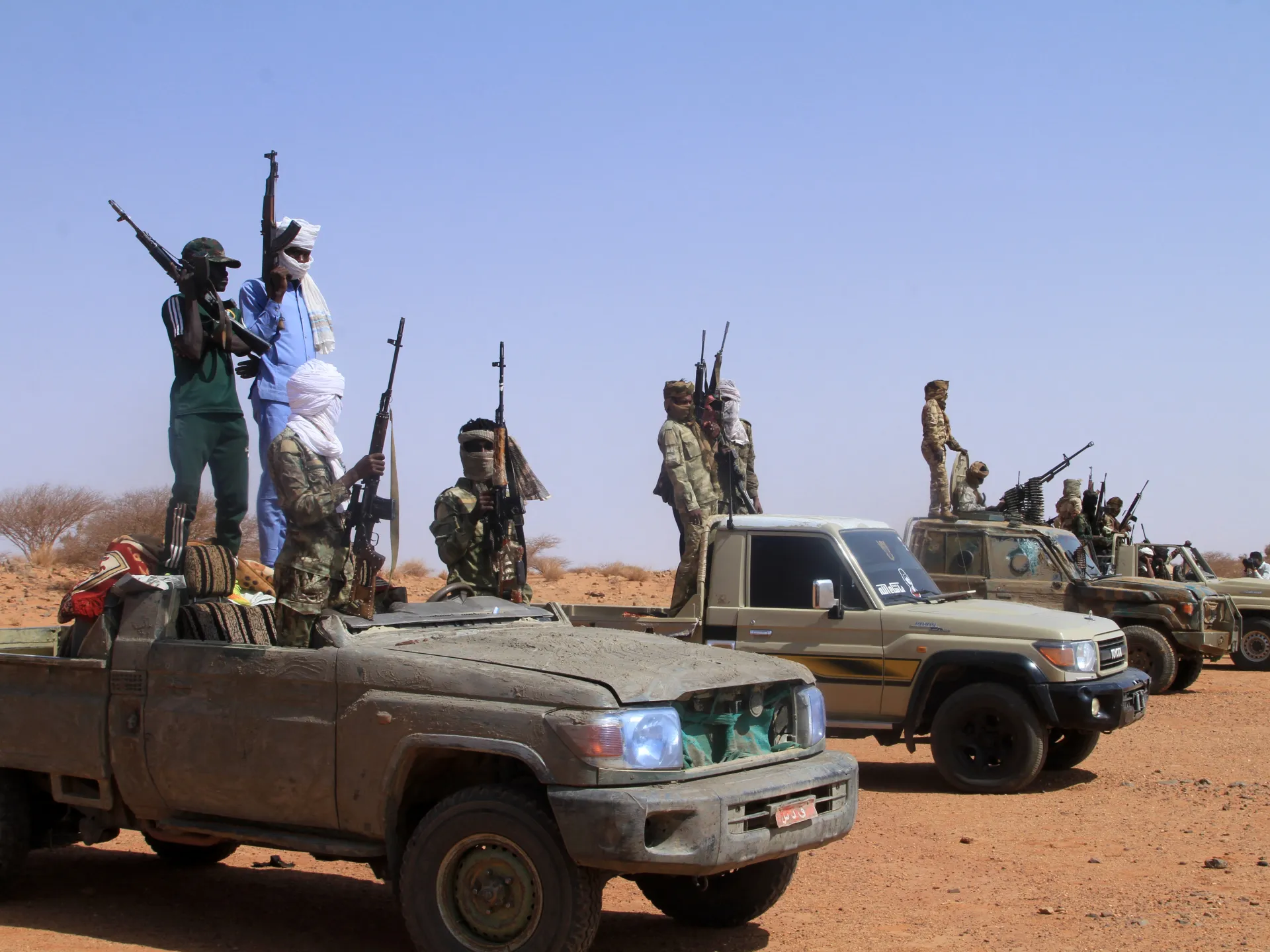
The ongoing conflict in Sudan is entering a critical juncture where military developments are beginning to dictate the parameters of future political negotiations. The Sudanese Armed Forces (SAF) have consolidated their position in North Kordofan, a strategic state linking the capital, Khartoum, with the country’s western regions. This advance has placed significant pressure on the Rapid Support Forces (RSF), whose internal cohesion is being tested by a recent surge in defections.
In late July, the SAF announced the recapture of Bara, Jabra al-Sheikh, and Umm Sayala, effectively securing the Exports Road. This key route connects Khartoum, through Omdurman, to el-Obeid, the capital of North Kordofan. While these gains do not represent total control of the wider Kordofan region, they have disrupted RSF supply lines and strengthened the army’s operational posture. According to Al Jazeera, fighting has expanded across Kordofan, Darfur, and the Blue Nile region, with the SAF continuing efforts to cut off RSF logistics.
The military pressure coincides with a marked increase in personnel leaving the RSF. On 20 August, the army reported that approximately 318 individuals, including four officers, had defected to its ranks, arriving in Northern state in about 50 combat vehicles before moving to Omdurman. Additional surrenders were reported from groups in Kordofan and Khartoum, including 270 people and 21 field commanders, as well as 45 fighters from the Bara area. Analysts suggest that battlefield developments, internal RSF issues, and tribal dynamics are driving this trend, though it does not yet indicate a total collapse of the force.
SAF chief General Abdel Fattah al-Burhan, who also heads the Transitional Sovereignty Council, is pursuing a dual strategy of sustained military action and political outreach. On 15 August, he announced that the state would grant temporary immunity and legal, political, and security guarantees to participants in a national dialogue managed by an independent mechanism. Criminal proceedings against participants would be suspended during the process, though the rights of complainants would remain intact. Al-Burhan stated that the initiative was proposed by a group of Sudanese who would independently manage the agenda and outcomes.
However, the government has made clear that this is not a retreat from the war. Al-Burhan rejected what he termed “peace without substance,” arguing that the path to peace requires the RSF to withdraw from cities and gather in designated areas. He remains open to a just peace and national dialogue that excludes the RSF, while maintaining that fighting will continue until the rebellion is ended. He also rejected a truce that would merely allow the RSF to reorganise.
Deputy Chairman Malik Agar reinforced this stance in an interview with Al Jazeera on 22 August, stating that military resolution is the current option unless serious conditions for negotiations emerge. Agar emphasised that the RSF must withdraw from residential areas before talks can begin. In a subsequent interview on 23 August, he argued that while the army would win, the war would ultimately end through negotiations rooted in addressing deeper state weaknesses and the failure of political elites to manage Sudan’s diversity.
The current situation presents a complex challenge for both sides. For the SAF, continued military pressure may provide greater leverage in shaping who participates in the political process. For the RSF, the immediate task is to prevent battlefield setbacks from evolving into an internal crisis of cohesion. As the wider battlefield remains contested, these developments suggest that the military balance is now a central factor in determining the terms of Sudan’s next political phase.