Sudan's Largest Displacement Crisis Deepens as Famine Claims North Darfur
Nearly 12 million people displaced by end of 2025; 25 million face crisis-level food shortages as RSF and SAF war restricts humanitarian access.
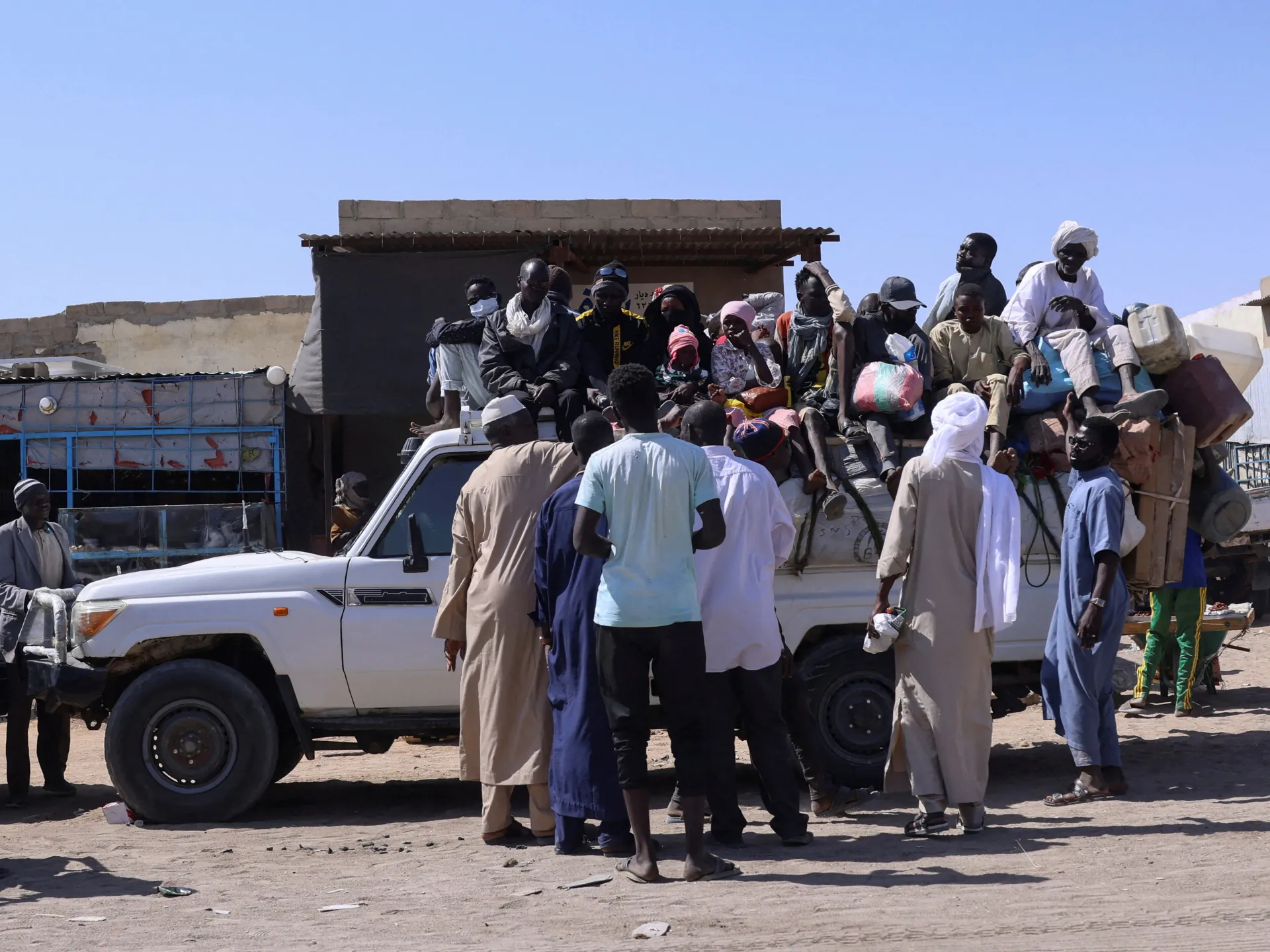
The Integrated Food Security Phase Classification (IPC) declared a famine in November in North Darfur, signalling the severity of hunger driven by the ongoing civil war and prolonged blockades. Similar conditions have been reported in Kadugli and at least 20 other areas across western Darfur and central Kordofan, where civilians face cut-offs of food, fuel, and medicine. By the end of 2025, nearly 12 million people were displaced, making Sudan home to the world's largest internal displacement crisis.
The conflict between the Rapid Support Forces (RSF) paramilitary group and the Sudanese Armed Forces (SAF) has concentrated hunger crises in North Darfur, South Kordofan, and West Kordofan. In the besieged town of el-Fasher, the RSF took full control following an 18-month siege, a takeover a United Nations investigation found bore the hallmarks of genocide. Thousands were killed during the operation, and the subsequent blockade has left markets collapsed or unaffordable for those remaining.
Humanitarian access constraints identified in the 2026 Global Report on Food Crises, released by the EU-funded Global Network Against Food Crises, highlight how fighting in Darfur and Kordofan has severely restricted aid delivery. The report found that by September, about 375,000 people were in the most extreme level of hunger. This has resulted in devastating effects on food security, forcing families to flee conflict zones like Heglig and el-Fasher in search of relative safety.
Displacement has stripped millions of people of their livelihoods and incomes, leaving them dependent on limited and inconsistent aid. Marasi Alfadil, who fled el-Fasher six months ago, found shelter in a half-finished building in Omdurman with no proper walls or services. Her experience reflects a wider pattern where refugees struggle with scarce resources, unable to work or afford basic staples like meat and flour.
Even in areas controlled by the SAF, such as Omdurman and Khartoum, civilians face significant challenges. Aid agencies have reported ongoing funding shortages while violence continues to block access to many regions. Taqwa, who arrived in Omdurman with three-week-old twins, noted that feeding infants is difficult without money to buy flour or meat. Her situation underscores the daily struggle for survival faced by those reliant on aid.
The demographic impact of this crisis is profound. By 2025, an estimated 25 million people, representing more than half of Sudan's population, were facing crisis-level food shortages or worse. This figure includes approximately 4.2 million children under five, highlighting the urgent need for policy intervention to address the governance failures allowing such a humanitarian catastrophe to unfold.