Sudanese forces isolate RSF supply lines in West Darfur offensive
Government-backed troops and the Joint Force of the Armed Struggle Movements repel RSF attacks in Bir Saliba, destroying dozens of vehicles and severing key routes to the Chad border.
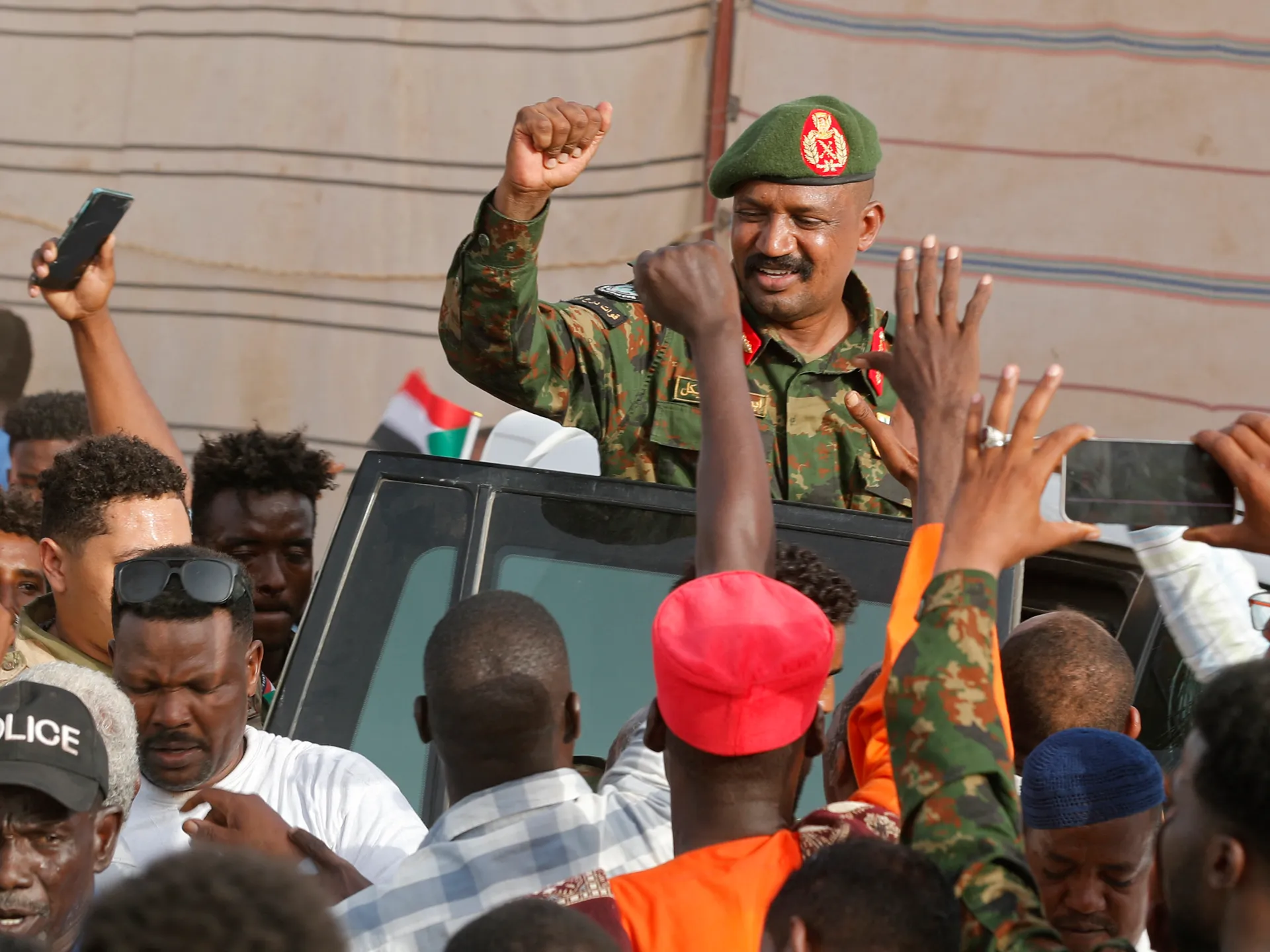
Sudanese government forces, operating in alliance with the Joint Force of the Armed Struggle Movements, have secured significant territorial advances against the Rapid Support Forces (RSF) in the Bir Saliba region of West Darfur. The counteroffensive, conducted in early August 2026, has resulted in the destruction of more than 38 RSF combat vehicles and the seizure of 27 others, according to military officials. These gains are strategically critical, as Bir Saliba sits approximately 30km north of el-Geneina, the regional capital and the RSF’s final stronghold in the area.
General Bahr al-Din Adam Karama, the governor of West Darfur, emphasised the logistical importance of the region, noting that its road network connects el-Geneina to the northwestern districts of Jebel Moon and Kulbus. The successful repulsion of RSF attacks has allowed government-aligned forces to tighten control over crossings and desert routes along the border with Chad, effectively isolating paramilitary supply lines. Major General Othman Siraj confirmed that air strikes on a convoy near the border further disrupted these logistics, preventing the RSF from regrouping its forces.
The campaign has also resulted in the reported death of Major General Mahdi Adam, a prominent RSF field commander known as “Jebel Moon”. Darfur Regional Governor Minni Arko Minnawi announced the killing, describing it as a significant blow to the paramilitary group’s leadership structure. While the RSF has not officially confirmed the death, Major Mutawakkil Ali Wakil Abu-Ja, spokesman for the Joint Force, stated that the commander of the attacking RSF force was killed and that fighters fled the battlefield, leaving behind casualties and abandoned equipment.
Political and military analysts suggest a shift in the conflict’s dynamics. Fadel Kaya, an adviser with the Sudan Liberation Movement/Army – Transitional Council (SLM/TC), indicated that the RSF is moving from a strategy of territorial expansion to one of retreat from key positions. In North Kordofan, the paramilitary group has increased its reliance on drones to compensate for the loss of the strategic route between Omdurman and el-Obeid, which the army recaptured on 27 July 2026. SLM/TC spokesman Amin Ishaq Zakaria described this tactical adjustment as evidence of the RSF’s inability to engage in direct confrontations following the loss of vital supply arteries.
The escalating violence has exacerbated the humanitarian crisis, with the International Organization for Migration reporting that more than 6,650 people have been displaced from 11 villages in the Sirba region. This displacement adds to the 13 million people who have fled their homes since the war began in April 2023. As military pressure intensifies, officials indicate that the current operations are paving the way for a decisive battle for el-Geneina, though the RSF and its associated Tasis government administration have not responded to inquiries regarding the recent engagements.