Sudan peace talks stall as drone warfare intensifies and foreign mediation faces scrutiny
The United Nations warns that aerial attacks are increasing lethality, while aid organisations allege sexual violence is being weaponised by both the army and the RSF.
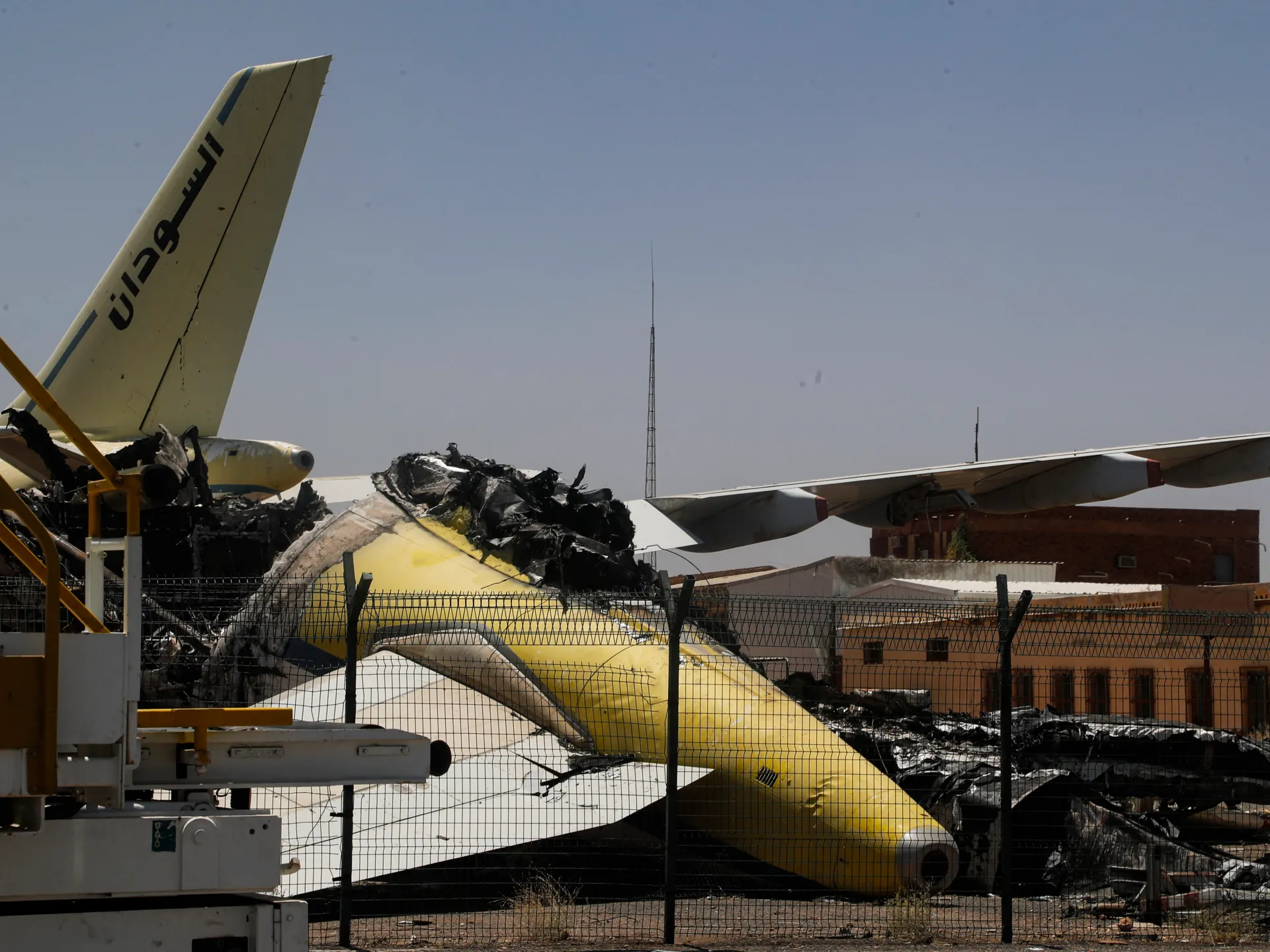
Three years of conflict between the Sudanese army and the paramilitary Rapid Support Forces (RSF) have precipitated one of the most severe humanitarian crises in recent history. The United Nations reports that the fighting has displaced 14 million people, leaving nearly half of the nation facing acute hunger. Furthermore, more than 18 million individuals require urgent medical assistance for injuries and disease, underscoring the scale of the disaster.
Despite the devastation, the United Nations has stated that the use of drones is escalating the danger of the fighting, fundamentally altering the nature of the conflict. This shift in tactics has raised significant concerns regarding the protection of civilians, as the aerial warfare complicates humanitarian access and increases the lethality of engagements across the country.
Beyond the kinetic escalation, aid groups have accused both the Sudanese army and the RSF of utilising sexual violence as a weapon of war. These allegations highlight the deepening brutality of the conflict, where non-combatants face targeted violence alongside the physical dangers of active combat zones.
Prospects for a negotiated settlement appear increasingly unlikely as the stalemate persists. Experts interviewed for Al Jazeera's Inside Story report suggest that the failure to bring the warring parties to the table is not merely a result of internal divisions but may be influenced by external factors.
Caroline Bouvard, country director of the Sudan mission for Solidarites International, and Kholood Khair, founding director at the Khartoum-based think tank Confluence Advisory, have analysed the current deadlock. Their assessments indicate that the involvement of foreign players is a critical variable, with questions raised about whether their presence is actively complicating mediation efforts rather than facilitating them.
Cameron Hudson, former director for African affairs at the US National Security Council, joins the analysis on the complexities of international engagement. The consensus among these observers is that the role of foreign actors remains a central point of uncertainty, potentially hindering the path to a sustainable political resolution.
As the conflict enters its fourth year, the combination of advanced weaponry, alleged war crimes, and opaque international mediation has created an environment where diplomatic solutions face formidable obstacles. The situation remains critical, with the humanitarian cost mounting while the political will to end the fighting appears absent.