Sudan mine collapse exposes the cost of wartime gold rush
At least 10 people have died and 21 were injured at the Awny mining area near Egypt, with the number of people still trapped unknown.
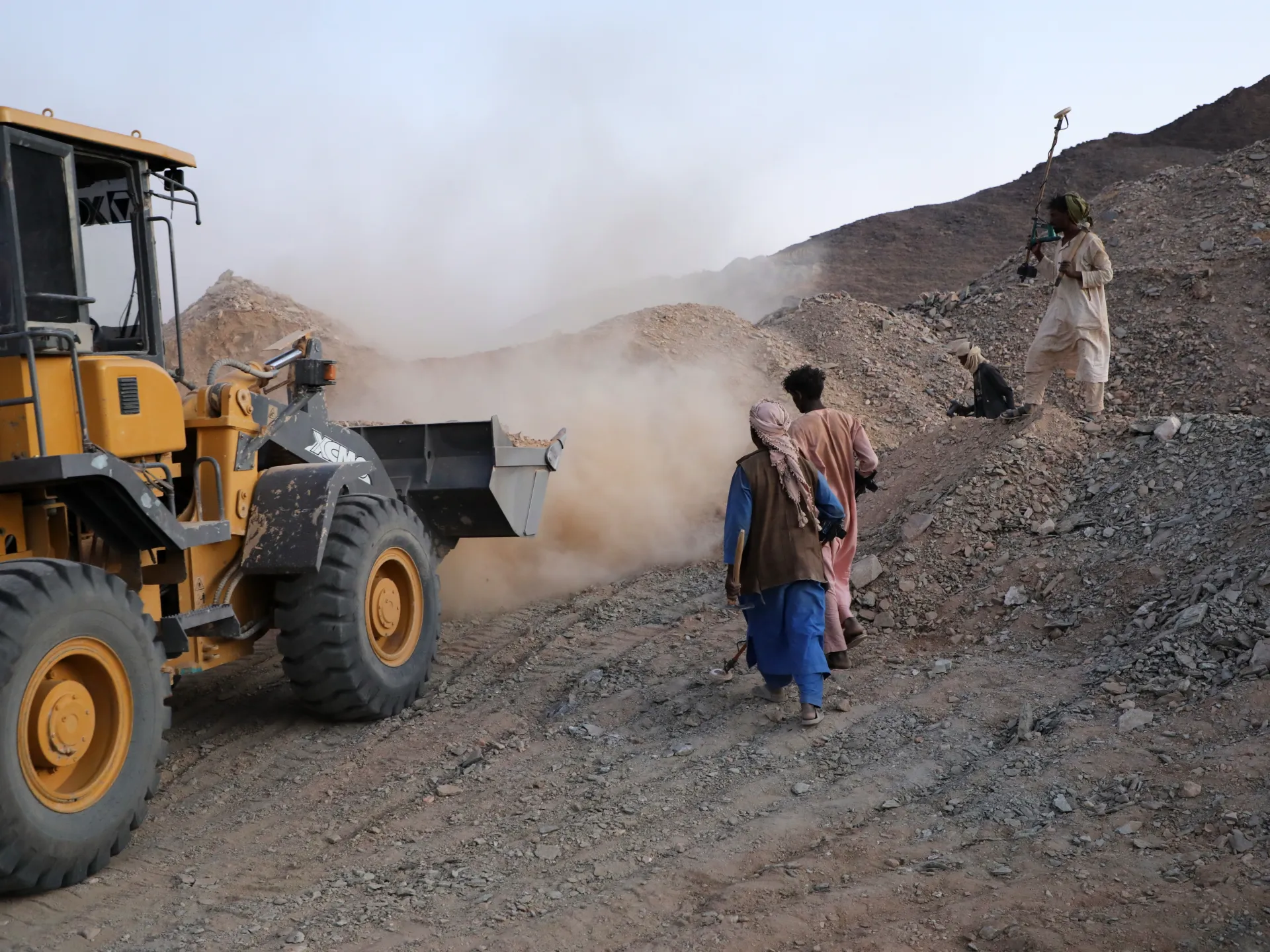
At least 10 people have been killed and 21 injured in a collapse at Sudan’s Awny mining area near the border with Egypt, according to miners quoted by AFP. The search was continuing for people believed to be trapped beneath the rubble, but their number was unclear.
The disaster occurred days after a separate collapse at the al-Zaraa mine in West Kordofan reportedly killed at least 82 people. The two incidents have renewed scrutiny of Sudan’s largely informal gold-mining sector, where many operations are remote and poorly regulated.
Al Jazeera reported that analysts say mining sites often lack modern technology, adequate infrastructure and specialised safety equipment. Sudan’s wartime economic collapse has increased reliance on gold as a source of income, despite the risks faced by workers.
The country’s government reported 70 tonnes of gold production last year. Separate local reporting cited 64 tonnes in 2024 and $1.57 billion in legal export revenue, although the figures come from different sources and reporting periods.
Gold exports, much of which end up in the United Arab Emirates, have also attracted international scrutiny. Sudan has accused the UAE of supporting and funding the Rapid Support Forces through gold; the UAE denies supplying weapons to the group.
The economic pressures driving miners into dangerous conditions have intensified since fighting began in April 2023. Currency depreciation, food inflation, disrupted agriculture and displacement have weakened alternatives to informal mining, while efforts to regulate the sector continue.