Strait of Hormuz traffic halves as US-Iran peace talks stall
Maritime transit through the vital energy corridor dropped to seven vessels on Thursday, while Brent crude futures remained near recent highs amid renewed regional tensions.
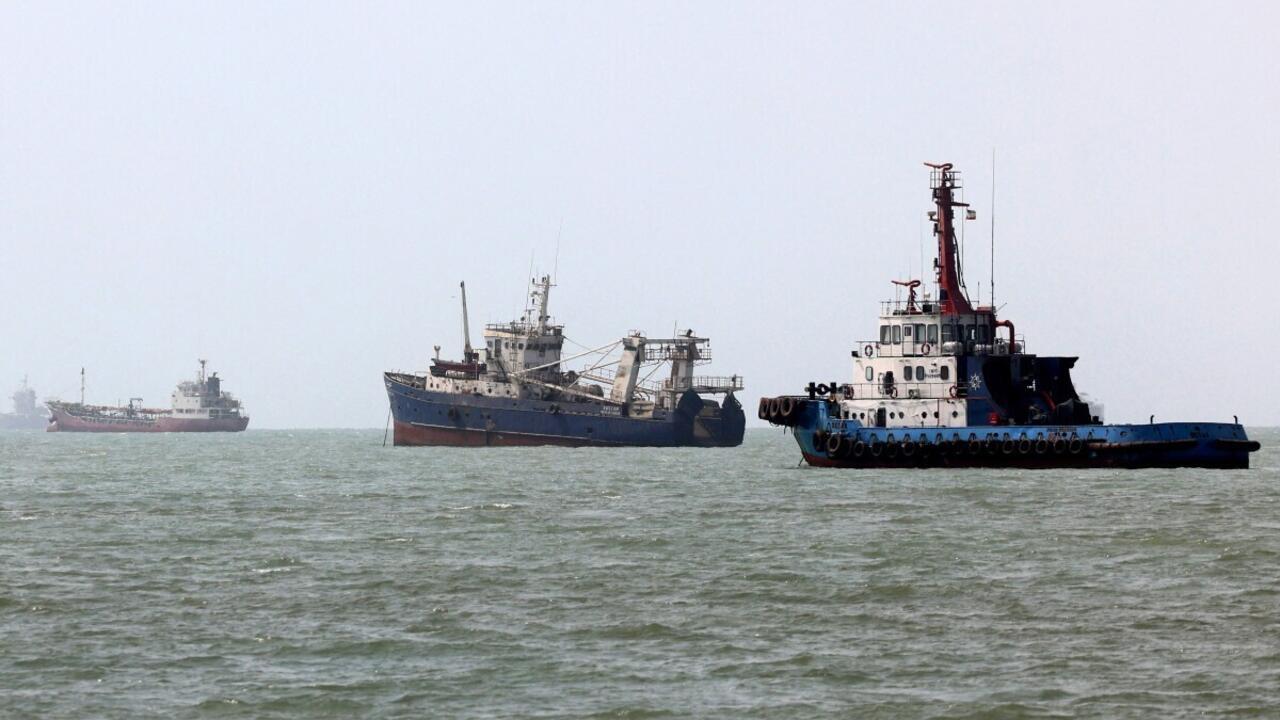
Shipping traffic through the Strait of Hormuz fell sharply on Thursday, with only seven commodity vessels transiting the waterway, according to data from Kpler. This represents a 50 per cent decline from the previous day, as heightened security risks and stalled peace talks between the United States and Iran deterred operators from using the key energy route.
Of the seven vessels recorded on Thursday, four were entering the waterway and three were exiting. Notably, the transit mix excluded very large crude carriers and liquefied natural gas tankers. However, one very large gas carrier transporting propane and butane did transit out of Hormuz via the Iranian route. The strait handles nearly a fifth of global shipments of crude oil and liquefied natural gas, making the drop in traffic a significant indicator of the current geopolitical climate.
Oil prices remained largely stable on Friday but were on track for a second weekly rise. Brent crude futures stood at $93.82 a barrel, while US West Texas Intermediate crude was at $86.78 a barrel. Over the previous five days, Brent crude had gained more than 7 per cent and WTI more than 8 per cent, reaching their highest levels since 24 July.
The US military presence in the region has been reinforced, with the USS George Washington aircraft carrier strike group arriving in the Middle East to replace the USS Abraham Lincoln. The USS Abraham Lincoln had been deployed in the region for an extended period before being rotated out.
Diplomatic efforts to resolve the conflict remain in limbo. US Treasury Secretary Scott Bessent told allies they were either "with us or against us" regarding the economic isolation of Iran. This statement followed President Donald Trump’s recent announcement of a new series of sanctions against the Islamic Republic.
Meanwhile, Yemen’s Houthi rebels claimed to have targeted an airport and a facility belonging to Saudi Aramco in the Najran region. The strikes occurred near the Yemeni border, further complicating the security landscape for energy infrastructure in the area.