Fnideq becomes migrant base as Ceuta crossing hopes persist
The Moroccan city of Fnideq has shifted from a transit point to a permanent base for migrants, straining local economies and social structures following a massive surge into Spanish enclave Ceuta.
The Moroccan city of Fnideq, situated adjacent to the Spanish enclave of Ceuta, has undergone a significant demographic and economic transformation in the wake of a major migration surge. Following an estimated 72,000 crossings on 30 July, social media calls have drawn new arrivals to the city in anticipation of further attempts in mid-August. This influx has altered the local landscape, with civil society activist Mohamed Azzouz noting that Fnideq has shifted from being a mere transit point to a base for migrants, fundamentally changing the city’s identity.
The July crossing was marked by high risk, with approximately 100 deaths reported during the attempt. Despite these figures and the subsequent return of most crossers to Morocco, uncertainty remains regarding the fate of those who stayed. Reports indicate that between 2,000 and 8,000 individuals remain in Ceuta, living in desperate circumstances, including sleeping on beaches while awaiting decisions from Spanish authorities.
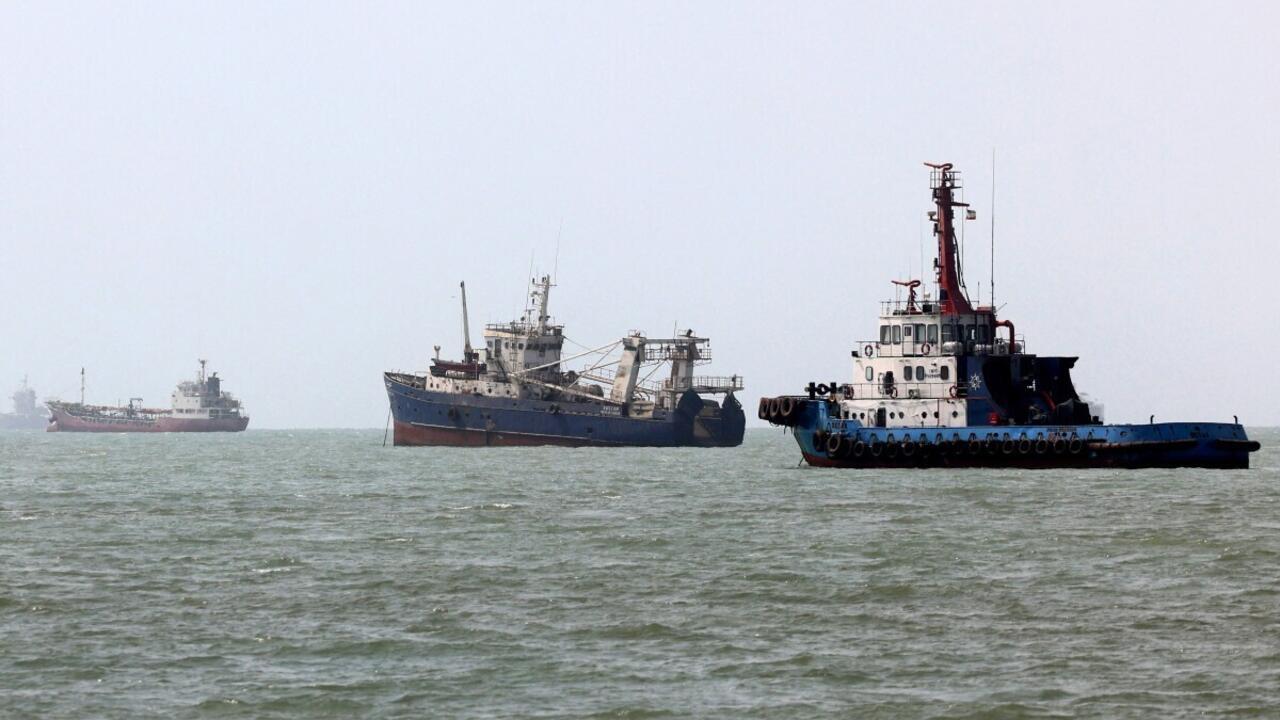
On 15 August, Moroccan security forces deployed a heavy presence around Ceuta and the nearby Spanish exclave of Melilla. The deployment included numerous checkpoints, patrol boats monitoring the coast, and water cannons stationed at the border. Although Moroccan police arrested 111 individuals attempting to enter Ceuta, no mass crossing occurred on that date, leaving many hopeful migrants stranded in Fnideq.
The economic impact on the city is evident among local residents. Munir Hamdouch, a 34-year-old merchant, reports a significant decrease in tourism, which negatively affects seasonal trade. He describes a lack of economic alternatives, with projects either stalled or unbuilt, and calls for a revival of the city’s economy. The shift in Fnideq’s character has also impacted its appeal to tourists, according to local observations.
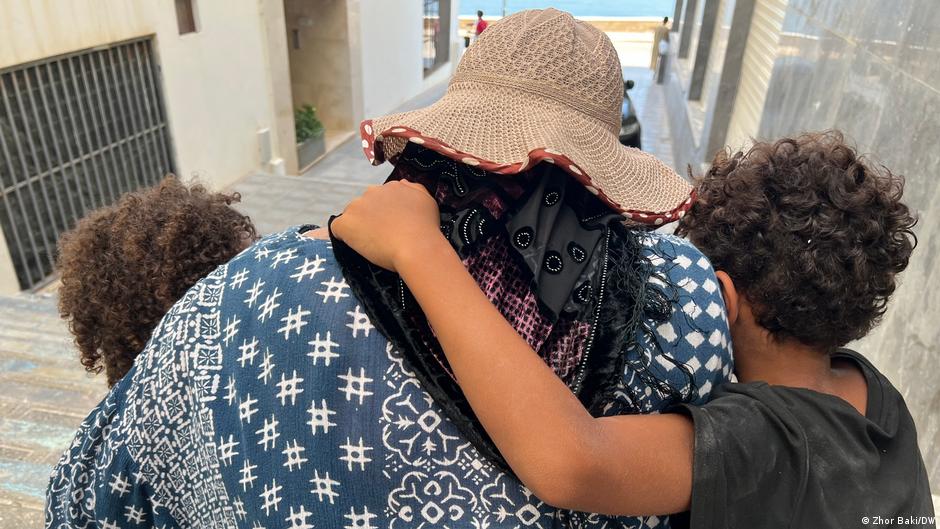
Individual motivations for the continued presence of migrants vary. Malika, a mother from Casablanca, has been stranded in Fnideq with her two children, sleeping in the open and struggling to find food. She cites extreme poverty and a lack of stable housing as drivers for her desire to cross, believing that Ceuta will offer better support and educational opportunities for her children.
Conversely, other residents remain deterred by the visible risks. Mohamed al-Dami, a 30-year-old local, has chosen not to migrate, citing the demoralising effect of seeing many crossers return to Morocco. He argues that the risks of the crossing are not worth the trouble, particularly given the unstable economic conditions in Morocco. Ahmed Amhid, a 22-year-old from Oued Zem, represents the opposite view, stating that a lack of job opportunities and future prospects in his hometown compels him to seek a better life in Ceuta.