State visit proceeds as Trump reaffirms US-UK ties despite security disruptions
The four-day engagement includes a Congressional address and state dinner, marking a significant diplomatic push to repair relations characterised as being at their lowest point in seven decades
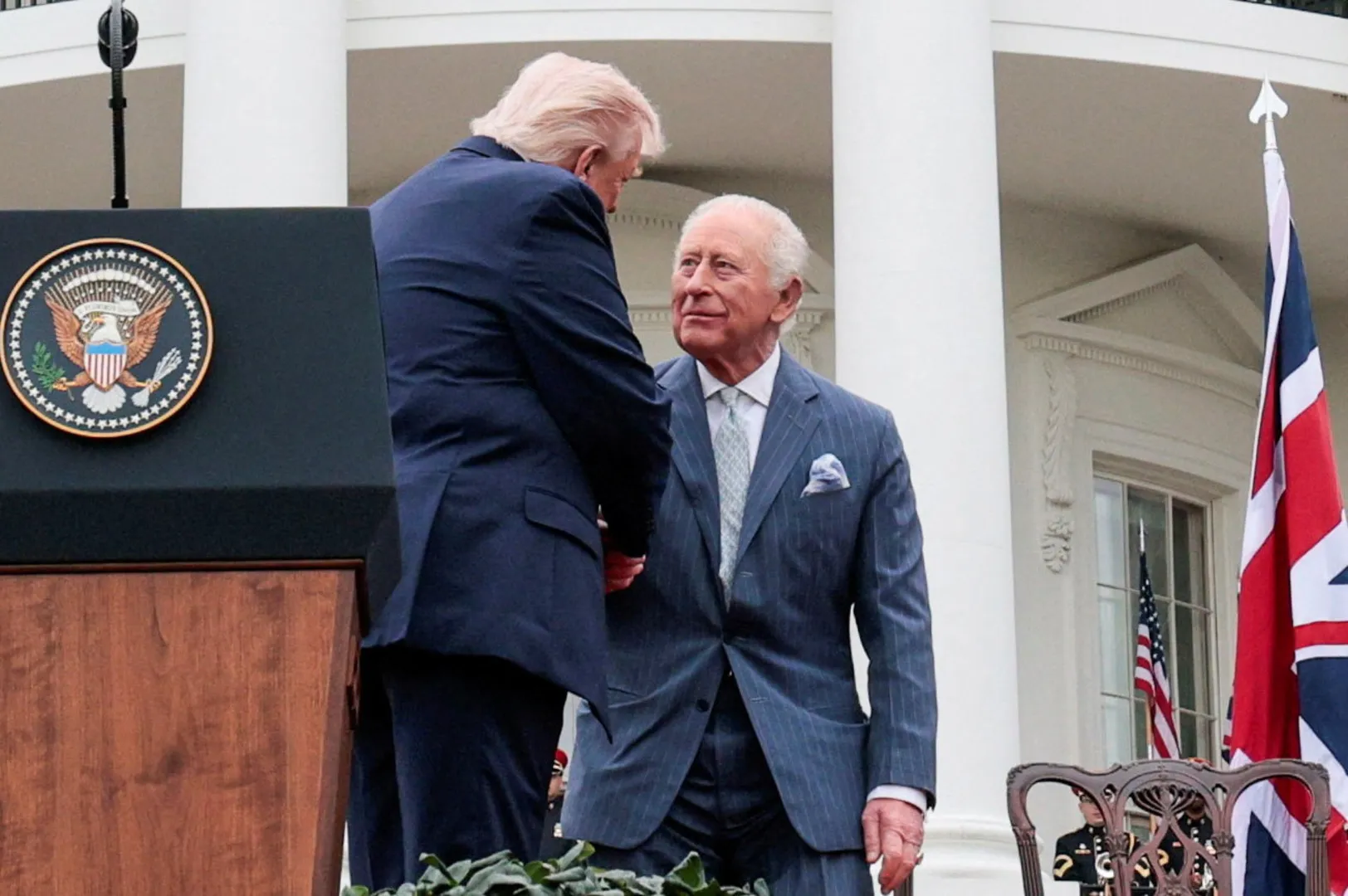
US President Donald Trump has welcomed King Charles III and Queen Camilla during their state visit to Washington, publicly describing the relationship between the United States and the United Kingdom as a cherished bond. The President's verbal commendation of the alliance underscores the high profile of the engagement, which serves as a significant diplomatic effort to repair ties that analysts say are currently at their lowest point in at least seven decades.
The state visit agenda remains intact, featuring a private meeting between President Trump and the King, a historic address to a joint session of the US Congress, and a state dinner. This continuation of the itinerary follows a shooting incident at a White House dinner attended by President Trump on 27 April. Despite the security breach, Buckingham Palace has confirmed that the engagement will proceed as planned, demonstrating a commitment to the diplomatic schedule despite recent security concerns.
The timing of the visit coincides with broader shifts in global energy geopolitics. Concurrently, the United Arab Emirates has exited OPEC and OPEC+ alliances, ending six decades of membership. This move is widely viewed in Washington as a victory for President Trump, who has long criticised the organisation for raising global oil costs. The UAE's decision to pursue an independent approach to energy policy aligns with the stance previously urged by the President regarding Saudi Arabia and other OPEC nations.
While the public summary confirms the welcome and general praise for the US-UK relationship, the specific content of the private meeting between President Trump and King Charles remains unconfirmed. The full extent of the damage or impact of the White House shooting on security protocols for the remainder of the state visit is also not fully detailed beyond the confirmation that the itinerary continues. These uncertainties highlight the complex backdrop against which the diplomatic initiative is unfolding.
International diplomatic channels remain active amidst other regional tensions, with discussions currently open for US-Iran talks despite a persistent blockade of the Strait of Hormuz. However, a breakthrough in these negotiations remains unclear given the mixed messages being sent by the US administration regarding both the blockade and the potential for negotiations. The lack of confirmed breakthroughs suggests that the diplomatic process in this sector is still in its early or volatile stages.
The combination of the royal state visit, the withdrawal of a major OPEC member, and ongoing tensions in the Middle East paints a picture of a dynamic and shifting geopolitical landscape. President Trump's emphasis on the cherished bond between the two nations stands as a central pillar of the current administration's foreign policy focus during this period of significant international change.